
Share
Share
Share
Share
Introduction
The global shift toward renewable energy has accelerated in recent years as households and businesses look for more sustainable ways to meet their electricity needs. Solar energy has emerged as one of the most accessible and scalable solutions, supported by advancements in technology and declining equipment costs. While solar panels often receive the most attention, the role of the inverter is equally critical in determining system performance and reliability.
A solar inverter serves as the bridge between energy generation and usable power. Without it, the electricity produced by solar panels cannot be used by most appliances or fed into the grid. As solar installations expand across residential, commercial, and industrial sectors, the demand for efficient and durable inverter systems continues to grow. Choosing the right inverter is not simply a technical decision, but a long-term investment that influences energy output, maintenance requirements, and overall system efficiency.
In addition to selecting the right technology, sourcing the inverter from a reliable supplier plays a vital role in ensuring consistent performance. Factors such as product quality, certifications, and after-sales support can significantly impact the value of a solar system over time. A well-informed approach to both product selection and procurement can help avoid unnecessary costs and operational challenges.
This guide explores the essential aspects of choosing and sourcing solar inverter systems. It covers key technologies, purchasing strategies, and practical considerations that help individuals and organizations make informed decisions in an evolving energy landscape.
Understanding the Role of Solar Inverters in Energy Systems
Solar inverters are a fundamental component of any solar power system, responsible for converting direct current into alternating current. Solar panels generate electricity in direct current form, which is not compatible with most household and commercial electrical systems. The inverter performs the essential task of transforming this energy into a usable format, making it possible to power everyday devices and machinery.
Beyond basic conversion, modern inverters also play a role in optimizing energy output. They monitor the performance of solar panels and adjust voltage levels to ensure maximum efficiency. This capability is especially important in environments where sunlight conditions fluctuate throughout the day. By maintaining optimal performance, inverters help users extract the highest possible energy yield from their solar installations.
In residential settings, inverters ensure that energy generated during the day can be used instantly or exported to the grid. In commercial and industrial environments, they support larger systems that require stable and consistent power conversion. The reliability of the inverter directly affects the stability of the entire energy system, making it a critical consideration during system design.
Efficiency ratings are another important aspect of inverter performance. Even small differences in efficiency can lead to noticeable variations in energy output over time. High-quality inverters are designed to minimize energy loss during conversion, contributing to better overall system performance. Understanding these factors helps users appreciate why selecting the right inverter is essential for achieving long-term energy goals.
Types of Solar Inverters Available in the Market
The solar industry offers several types of inverters, each designed to meet specific application needs. Understanding the differences between these options allows users to select a system that aligns with their energy requirements and installation conditions. The most commonly used types include string inverters, central inverters, microinverters, and hybrid solutions.
String inverters are widely used in residential and small commercial installations. In this setup, multiple solar panels are connected in a series, forming a string that feeds into a single inverter. This approach is cost-effective and relatively simple to install. However, its performance can be affected if one panel in the string experiences shading or reduced efficiency.
Central inverters are typically used in large-scale solar projects such as solar farms. These systems handle power from multiple panel arrays and are designed for high-capacity operations. While they offer efficiency at scale, they may lack the flexibility needed for smaller or more complex installations.
Microinverters operate at the individual panel level, allowing each panel to function independently. This design improves overall system performance, especially in conditions where shading or panel orientation varies. Although microinverters tend to have higher upfront costs, they provide greater control and monitoring capabilities.
Hybrid inverter systems combine the functions of traditional inverters with energy storage integration. They allow users to store excess energy in batteries for later use, offering greater flexibility and energy independence. This makes them particularly suitable for areas with unreliable grid access or for users seeking backup power solutions.
Why Businesses Prefer Solar Inverter Wholesale Purchasing
Businesses operating in the solar energy sector often prioritize efficiency not only in technology but also in procurement strategies. One approach that has gained widespread adoption is bulk purchasing. By sourcing equipment in larger quantities, companies can streamline operations, reduce costs, and maintain consistent inventory levels. This approach is particularly valuable for installers, distributors, and project developers handling multiple installations simultaneously.
Consistency in supply is another key benefit. Businesses that rely on frequent installations need a steady flow of components to avoid project delays. Wholesale procurement ensures that the required inventory is readily available when needed. It also helps maintain uniformity across installations, which simplifies maintenance and performance tracking in the long run.
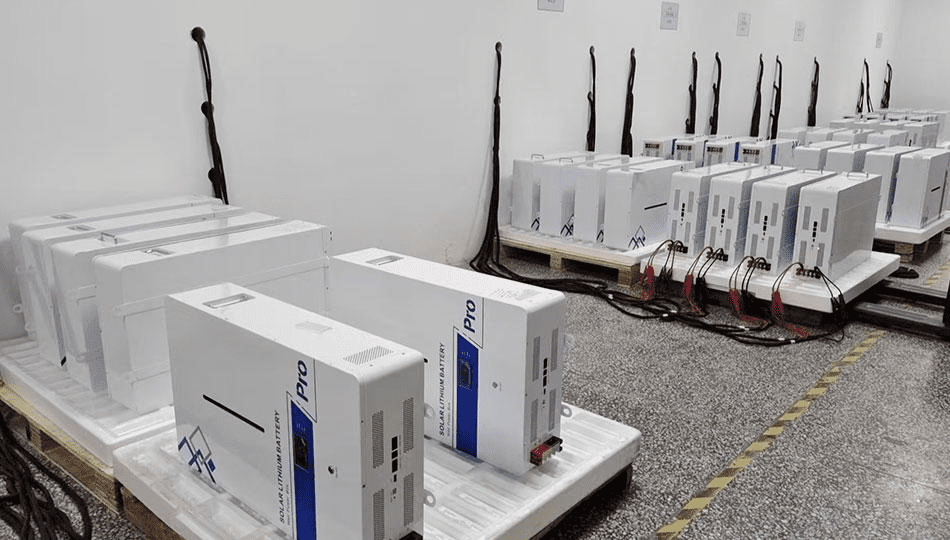
Established manufacturers play an important role in supporting this model. For instance, companies operating through specialized divisions in manufacturing, e-commerce, and solar technology development have created strong supply networks. With production facilities spanning thousands of square meters and research teams composed of experienced professionals, such organizations focus on innovation and product reliability. Their offerings typically include inverters, energy storage batteries, solar panels, and related system components designed for diverse applications.
In addition, many of these manufacturers meet international quality standards such as ISO, CE, and RoHS certifications. Their products are distributed across numerous global markets, ensuring compatibility with varying regulatory requirements. This level of reliability and scalability makes bulk purchasing a practical choice for businesses seeking long-term growth.
Key Features to Look for in High-Quality Inverters
Selecting a high-quality solar inverter requires careful attention to several important features that directly influence system performance. Inverters play a central role in converting and managing energy, which makes their quality essential for long-term efficiency. Understanding what to look for helps users avoid common issues and ensures better results from their solar investment. Each feature contributes to how well the system operates under different conditions. A well-informed approach can lead to improved reliability, reduced maintenance, and greater overall satisfaction.
- Efficiency:High-efficiency inverters convert a larger portion of generated energy into usable electricity. This reduces energy loss during the conversion process and improves overall system output. Over time, even small improvements in efficiency can result in noticeable gains in energy savings.
- Durability:Durability is essential because inverters are often exposed to challenging environmental conditions such as heat, moisture, and dust. A well-constructed inverter uses strong materials and effective cooling systems to maintain stable performance. These features help extend the lifespan of the device and reduce the likelihood of failure.
- Smart Monitoring Capabilities:Modern inverters are equipped with monitoring systems that provide real-time data on energy production and system performance. These tools allow users to detect issues early and make adjustments when needed. Access through mobile apps or online platforms makes tracking convenient and user-friendly.
- Safety Features:High-quality inverters include built-in protections against electrical risks such as overvoltage, short circuits, and overheating. These safeguards help protect both the inverter and connected appliances from damage. Compliance with recognized safety standards adds an extra layer of reliability.
- Battery Compatibility:Inverters that support battery integration offer greater flexibility in energy management. They allow users to store excess energy for use during periods of low production or power outages. This capability is especially valuable for improving energy independence and reliability.
Focusing on these key features allows buyers to make more confident and informed decisions. Each aspect plays a role in ensuring that the inverter performs efficiently and safely over time. A well-chosen inverter can enhance the overall effectiveness of a solar system. It also helps reduce long-term operational costs and maintenance concerns. By prioritizing quality and functionality, users can achieve a more dependable and efficient energy solution.
Comparing Grid-Tied, Off-Grid, and Hybrid Systems
Solar energy systems are typically categorized into three main types based on how they interact with the electrical grid. These include grid-tied, off-grid, and hybrid systems. Each configuration serves a specific purpose and is suited to different user needs, depending on location, energy demand, and reliability requirements.
Grid-tied systems are the most common, particularly in urban and suburban areas. These systems are connected directly to the local electricity grid, allowing users to draw power when solar production is low and export excess energy when production is high. This setup reduces electricity bills and ensures a continuous power supply without the need for battery storage.
Off-grid systems operate independently of the utility grid and rely entirely on solar panels and battery storage. These systems are often used in remote areas where grid access is limited or unavailable. While they provide complete energy independence, they require careful system design to ensure sufficient energy storage for periods of low sunlight.
Hybrid systems combine the benefits of both grid-tied and off-grid configurations. A Hybrid Inverter allows the system to store excess energy in batteries while still maintaining a connection to the grid. This setup offers greater flexibility, as users can switch between stored energy and grid power based on availability and cost considerations.
Hybrid systems are becoming increasingly popular due to their adaptability and resilience. They provide backup power during outages while also enabling efficient energy management. For users seeking a balance between reliability and independence, hybrid systems represent a practical and future-ready solution in modern solar energy setups.
Cost Considerations and ROI in Solar Investments
Investing in a solar energy system involves both upfront costs and long-term financial planning. Understanding these costs is essential for evaluating the overall return on investment. The primary expenses include solar panels, inverters, installation, and optional battery storage systems. Among these, the inverter plays a key role in determining system efficiency and long-term performance.
While initial costs may seem significant, solar systems are designed to deliver savings over time. Reduced electricity bills are one of the most immediate benefits. As energy prices continue to rise in many regions, solar installations provide a level of protection against fluctuating utility costs. Over the lifespan of the system, these savings can offset the initial investment.
Maintenance costs are generally low, but they should still be considered when calculating total expenses. High-quality inverters and components tend to require less frequent maintenance and offer longer operational lifespans. Choosing reliable equipment can help minimize unexpected repair costs and improve overall system stability.
Government incentives and subsidies can also influence the financial viability of solar investments. Many regions offer tax benefits, rebates, or net metering policies that allow users to earn credits for excess energy supplied to the grid. These incentives can significantly shorten the payback period.
Return on investment is typically measured over several years, depending on system size and usage patterns. A well-designed solar system with an efficient inverter can achieve a favorable ROI by maximizing energy output and minimizing losses. Careful planning and informed decision-making ensure that the investment remains both economically and environmentally beneficial in the long run.
How to Choose the Right Supplier for Bulk Orders
Selecting the right supplier is a critical step for businesses involved in solar installations and distribution. A reliable supplier ensures consistent product quality, timely delivery, and long-term support. When dealing with large-scale procurement, even small inconsistencies can lead to delays, increased costs, and operational challenges.
One of the first aspects to evaluate is the supplier’s track record. Established manufacturers with proven experience in the solar industry are more likely to deliver dependable products. Their ability to maintain consistent quality across large orders is essential for businesses that rely on uniform system performance across multiple installations. Reviewing certifications and compliance with international standards can provide additional assurance of product reliability.
For companies sourcing through solar inverter wholesale channels, logistics and inventory management become especially important. A dependable supplier should have the capacity to handle bulk orders efficiently while ensuring that products are delivered within agreed timelines. Clear communication regarding stock availability and shipping schedules helps prevent project disruptions.
Warranty and after-sales support are equally important considerations. A strong warranty reflects confidence in product quality, while responsive support services ensure that technical issues can be resolved quickly. This level of service is particularly valuable for businesses managing multiple installations across different locations.
Pricing transparency also plays a significant role in supplier selection. Competitive pricing should be balanced with product quality and service reliability. Choosing a supplier solely based on low cost can lead to long-term issues if the products fail to meet performance expectations.
By carefully evaluating these factors, businesses can build strong partnerships with suppliers that support growth and operational efficiency. A well-chosen supplier not only delivers products but also contributes to the overall success of solar projects.
Installation and Maintenance Best Practices
Proper installation and regular maintenance are essential for ensuring that solar inverter systems perform efficiently over the long term. Even high-quality equipment can fail to deliver expected results if it is not installed correctly. Paying close attention during the setup phase helps prevent technical issues and improves overall energy output. Maintenance practices further support system reliability by identifying and resolving minor problems early. Together, these steps create a strong foundation for consistent and dependable solar performance.
- Professional Installation:Trained technicians understand how to properly configure and connect all system components. They ensure that the inverter works seamlessly with solar panels, electrical systems, and battery storage if present. Their expertise reduces the risk of installation errors that could impact performance or safety.
- Proper Placement and Ventilation:The location of the inverter plays a major role in its efficiency and lifespan. It should be installed in a well-ventilated area, protected from extreme heat, moisture, and dust. Good airflow helps regulate temperature and prevents overheating during operation.
- Routine Inspections:Regular system checks help identify issues such as loose connections, dirt buildup, or unusual temperature changes. Detecting these problems early prevents more serious damage and costly repairs. Consistent inspections also ensure that the system continues to operate at optimal efficiency.
- Cleaning and Environmental Care:Dust and debris can reduce the efficiency of both solar panels and inverter cooling systems. Keeping the installation area clean helps maintain proper airflow and energy output. In warmer climates, managing heat exposure is especially important for long-term performance.
- Monitoring and Record-Keeping:Modern monitoring tools provide real-time insights into system performance and help detect irregularities quickly. Maintaining records of installation details, maintenance schedules, and performance data supports better system management. This information is valuable for troubleshooting and planning future upgrades.
Following these best practices helps ensure that solar inverter systems remain efficient and reliable over time. Each step contributes to maintaining consistent performance and reducing the risk of unexpected failures. Proper care also extends the lifespan of the equipment, protecting the overall investment. With regular attention and informed management, users can achieve stable and long-lasting energy output. A well-maintained system ultimately delivers better value and peace of mind.
Emerging Technologies in Solar Inverter Design
Solar inverter technology continues to evolve as the demand for efficient and intelligent energy systems grows. Modern inverters are no longer limited to basic power conversion. They are becoming advanced components that integrate digital capabilities, enabling better control, monitoring, and optimization of solar energy systems. These innovations are shaping how energy is generated and managed in both residential and commercial environments.
One of the most significant developments is the integration of smart monitoring systems. These tools allow users to track energy production in real time and identify performance issues quickly. With mobile and web-based interfaces, system owners can access detailed insights into energy usage, helping them make informed decisions about consumption and efficiency. This level of transparency improves overall system management and reduces the likelihood of unnoticed faults.
Another important advancement is the incorporation of artificial intelligence and predictive analytics. These technologies enable inverters to analyze performance patterns and adjust operations to maximize efficiency. For example, they can adapt to changing weather conditions or detect potential issues before they lead to system failures. This proactive approach enhances reliability and minimizes downtime.
The development of grid-interactive inverters is also transforming the energy landscape. These systems can communicate with the electrical grid, allowing for better energy distribution and load balancing. This capability supports the integration of renewable energy into existing infrastructure, making power systems more stable and resilient.
In addition, improvements in compact design and thermal management are making inverters more durable and easier to install. As technology continues to advance, solar inverters are expected to play an even greater role in creating efficient, intelligent, and sustainable energy systems for the future.
Conclusion
Choosing and sourcing an efficient solar inverter system requires careful consideration of both technical and practical factors. From understanding the role of inverters in energy conversion to evaluating different system types, each decision contributes to the overall performance and reliability of a solar installation. A well-selected inverter ensures that energy generated by solar panels is used effectively, supporting both immediate needs and long-term sustainability goals.
Equally important is the approach to sourcing these systems. Businesses and individuals benefit from working with reliable suppliers who offer consistent quality, proper certifications, and dependable support services. Bulk purchasing strategies can provide cost advantages and ensure a steady supply of components, especially for large-scale projects. At the same time, attention to product features such as efficiency, durability, and safety helps in selecting equipment that delivers lasting value.
Installation and maintenance practices further influence system performance. Proper setup and regular inspections help prevent issues and maintain optimal efficiency. As technology continues to evolve, modern inverters are becoming smarter and more adaptable, offering enhanced monitoring and improved energy management capabilities.
Looking ahead, solar energy is expected to play an increasingly important role in meeting global energy demands. Advances in inverter technology will continue to support this growth by improving efficiency and integration with modern power systems. By making informed choices at every stage, users can build solar systems that are reliable, efficient, and prepared for future energy needs.





