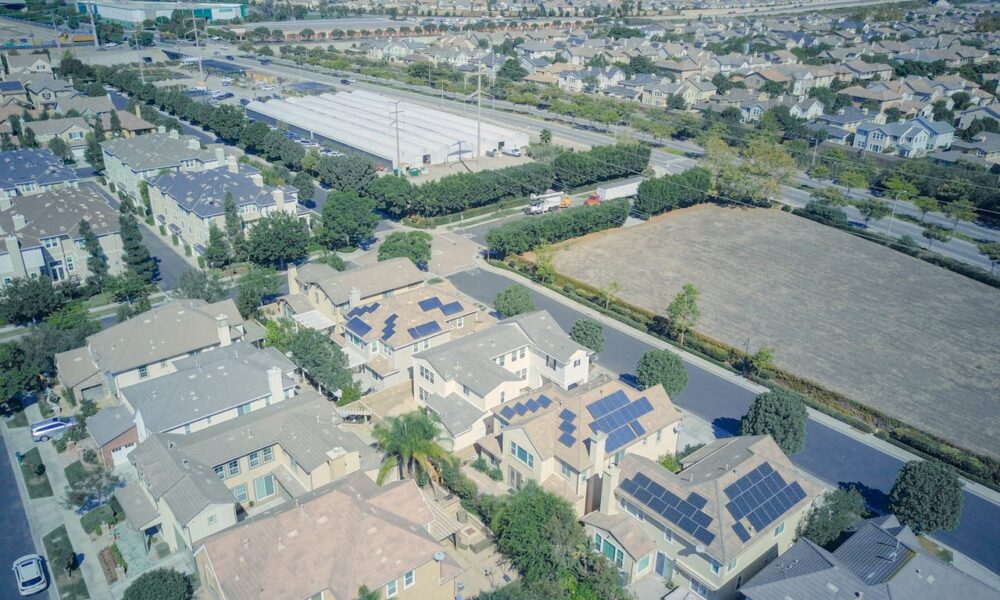
Community solar is gaining traction in Oregon because it removes barriers that kept many households from using cleaner electricity. Residents do not need roof space, property ownership, or large upfront spending. Instead, they join a shared project and receive credits on their utility bills. That approach suits Oregon, where many people rent, weather patterns vary, and public interest in practical energy choices continues to rise across urban and rural areas.
Access Without Rooftop Limits
Oregon’s program serves customers of Portland General Electric, Pacific Power, and Idaho Power, which helps explain rising interest in community solar in Oregon. Many households want cleaner electricity without roof work, panel upkeep, or major starting costs. Shared arrays meet that need. The model also suits apartments, shaded homes, and older buildings where private systems may bring poor output or expensive structural upgrades.
State Policy Built a Clear Path
Growth also reflects policy consistency. Oregon lawmakers created the program in 2016, and the Oregon Public Utility Commission launched it in 2020. That sequence gave utilities, project operators, and customers a defined process. Clear rules matter because people are more willing to enroll when billing, eligibility, and oversight are already established. Predictable administration also helps new projects move from approval into service with fewer delays.
Strong Numbers Build Trust
Recent figures show that community solar in Oregon has moved well beyond a trial phase. As of February 2025, the state had 38 operating projects and 140.6 megawatts of subscribed capacity. Those numbers signal maturity. Households tend to trust a shared energy option once it shows consistent performance across several utility territories, customer groups, and project sizes. Visible scale often reassures people more than broad promises ever could.
Savings Make the Offer Practical
Monthly cost remains a major reason people enroll. The Oregon Community Solar Program reports that many subscribers save on yearly electricity spending, while qualifying low-income households receive guaranteed savings. According to the U.S. Department of Energy, community solar subscribers typically receive bill credits that help reduce monthly electricity costs. During program year six, total bill savings reached $535,427. Residential participants saved $85,776, and low-income households saved $125,496. Clean power carries appeal, yet adoption usually grows faster when families can see measurable relief on routine utility expenses.
Renters Finally Have a Real Option
Traditional rooftop systems exclude many residents before the process even begins. Renters usually cannot install panels, while some owners face shade, roof age, or structural limits. Community solar avoids those barriers because electricity comes from a separate site. Oregon’s program includes renters, homeowners, nonprofits, businesses, and public agencies. That broad eligibility opens participation to far more people than the smaller group able to install equipment on private property.
Equity Features Widen Participation
Programs gain traction faster when they reach households often left out of energy upgrades. Oregon reserves 10 percent of capacity for low-income customers. Those subscribers can receive discounted participation, no upfront charges, no termination fees, and guaranteed bill savings. By February 2025, the program reported 1,005 active low-income residential enrollments, plus 735 linked to pre-operational projects. That structure makes shared solar more usable for families managing tight monthly budgets.
Local Benefits Feel Tangible
Community solar also feels closer to daily life than many other energy options. Subscribers support projects located within their utility territory, which creates a stronger sense of local value. The annual update reported low-income participants from more than 100 Oregon cities. Geographic spread matters here. It shows the program is reaching varied communities, housing types, and income levels rather than remaining concentrated in one metropolitan corridor or a narrow customer segment.
Simplicity Reduces Hesitation
Ease of entry is another reason interest keeps rising. Oregon’s official program describes community solar as low risk and easier than rooftop installation. Subscribers avoid equipment choices, repair duties, and construction schedules. They enroll, receive bill credits, and watch monthly results instead of managing a property upgrade. During program year six, administrators verified 5,125 participants, which suggests steady enrollment activity rather than occasional curiosity from a small group of early adopters.
Conclusion
Community solar is growing quickly in Oregon because the model fits real household needs with unusual precision. It offers access, lower hassle, broad eligibility, and measurable savings within a state-backed framework. Recent data, including 38 operating projects, 140.6 megawatts of capacity, and more than half a million dollars in year-six savings, shows that demand rests on visible results. For many residents, shared solar now looks like a practical utility option, rather than a limited experiment.