A polished image can still be a poor business asset. The product may look slightly different from one variation to the next, the headline may be unusable, or a background change may force the whole composition to be generated again. These are small flaws when someone is experimenting. They become expensive when a marketing team needs a coordinated campaign.
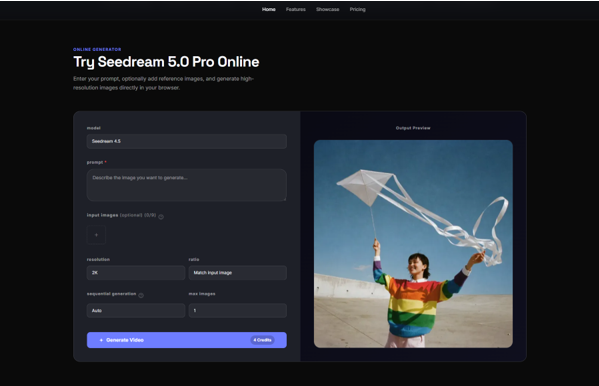
That is why the next useful step in AI image generation is less about surprise and more about direction. The preview of Seedream 5.0 Pro points toward a workflow built around detailed prompts, multiple references, selective changes and high-resolution output. Its formal release timing and final specifications have not been confirmed, so the sensible question is not whether it has already won a model race. It is whether the proposed workflow addresses the problems visual teams encounter every week.
The First Draft Is No Longer the Hard Part
Most current image generators can produce an attractive first result. The harder work begins after that. A team may need the same bottle in five environments, one character across a sequence, or a campaign graphic in several formats without losing the visual identity approved by the client.
This changes the standard by which an image tool should be judged. A dramatic one-off picture may earn attention, but a repeatable set of assets is more valuable to a business. The practical test is whether a creator can move from an initial concept to related versions without repeatedly rebuilding the brief.
The Seedream preview describes support for detailed prompts covering composition, lighting, colour and style. It also presents multi-image references as a way to keep characters, clothing, products and brand elements more consistent. If those capabilities work reliably in the final service, they could make the model useful for campaign systems rather than isolated social posts.
Reference Consistency Has Become a Commercial Requirement
Consider a small cosmetics brand preparing a launch. It needs a clean product image for the shop, a lifestyle scene for social media and a poster for a paid campaign. Each asset can have a different composition, but the packaging, colours and overall identity must remain recognisable.
A reference-led process gives the team something firmer than a long prompt. Existing product photographs can anchor the object while written direction defines the new environment. This kind of reference-guided image workflow is especially relevant to e-commerce, fashion, food, entertainment and any project where variation is welcome but identity drift is not.
References do not remove the need for review. Labels, logos, materials and proportions still need human inspection. What they can do is narrow the gap between a creative brief and the first useful set of options.
Editing One Element Can Save an Otherwise Good Image
Regeneration is often the hidden cost of generative design. A creator may like the subject and composition but want cooler lighting or a simpler background. Starting again risks changing the parts that were already correct.
Seedream 5.0 Pro preview materials describe layered controls for products, lighting, backgrounds and text. The important idea here is selective revision. A workflow that lets someone correct one part of an image while preserving the rest is closer to the way commercial design actually happens: review, mark a change, revise and approve.
This could be useful during client feedback. Instead of asking a stakeholder to choose between unrelated generations, a designer could keep the approved direction and adjust the disputed element. The benefit is not simply speed. It is continuity between versions.
Typography and Materials Are Where Marketing Images Break
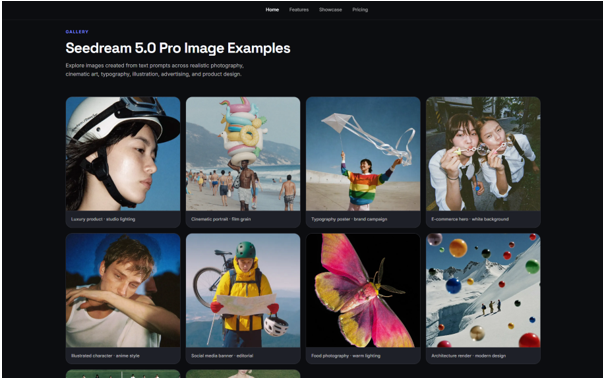
AI images tend to reveal their weaknesses in the details businesses care about most. Text may be almost readable but still wrong. Glass can lose believable reflections. Fabric may look plastic. A logo can change shape between versions.
The preview places particular emphasis on text and logo rendering as well as realistic surfaces such as metal, glass and fabric. Those claims will need to be tested against real outputs once release details are settled. Still, the focus is commercially relevant. Posters, packaging concepts and product images often fail not because the composition is bad, but because a small detail makes the asset impossible to publish.
Native high-resolution generation could also reduce the awkward handoff between concept work and final delivery. Resolution alone does not make an image print-ready, but it gives teams more room for cropping, retouching and adapting a visual across channels.
A Sensible Way to Test the Preview Workflow
The strongest evaluation will not come from entering one spectacular prompt. A more useful test is a short asset series built around a real brief:
- Choose one product, character or visual identity that must remain consistent.
- Write a precise brief covering subject, composition, lighting, colour and intended channel.
- Create three related outputs rather than three unrelated concepts.
- Change one element, such as the background or headline, while preserving the approved subject.
- Review text, logos, anatomy, materials and fine edges at full size before publishing.
This process reveals more than a beauty-shot comparison. It shows whether the system can support iteration, feedback and adaptation. It also prevents a common mistake: treating an AI output as finished merely because it looks convincing at first glance.
What the Preview Means for Creative Teams
The AI image market is moving from generation toward asset management. Creators still want speed, but teams increasingly need consistency, revision control and outputs that can survive close review. Models that address those requirements may fit more naturally into e-commerce, advertising and branded content production.
Seedream 5.0 Pro should therefore be viewed as a preview of that broader direction, not as a finished verdict on the market. Its proposed mix of prompt interpretation, reference control, layered editing, typography support and high-resolution output is promising because the pieces belong to the same workflow.
For anyone evaluating the browser-based visual creation preview, the best starting point is a small, demanding brief rather than a random prompt. Test whether one idea can become a coherent family of assets. That is where an image generator begins to prove its value to a real creative team.
Read More From Techbullion







