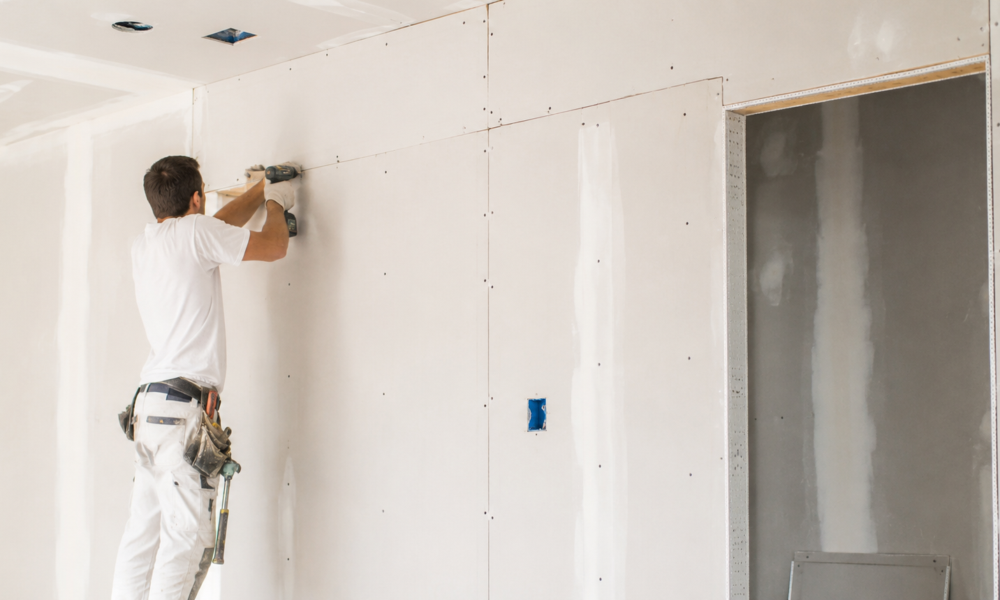
Drywall is one of the most important components of a home’s interior. It provides smooth walls and ceilings, improves fire resistance, enhances insulation, and creates the finished appearance that homeowners expect. Whether you’re building a new home, remodeling a room, or repairing damaged walls, understanding drywall installation and repair can help you make informed decisions and avoid costly mistakes.
In this complete guide, we’ll explain how drywall is installed, common types of damage, repair options, and when it’s time to hire a professional.
What Is Drywall?
Drywall, sometimes called gypsum board, sheetrock, or wallboard, is made from a gypsum core sandwiched between two layers of durable paper. It has become the standard material for interior walls and ceilings because it’s affordable, versatile, and relatively quick to install.
Modern drywall is available in several varieties, including:
- Standard drywall
- Moisture-resistant drywall
- Mold-resistant drywall
- Fire-rated drywall
- Soundproof drywall
Each type is designed for specific environments and applications.
The Drywall Installation Process
Professional drywall installation involves much more than simply attaching panels to wall studs.
- Measuring and Planning
Before installation begins, contractors carefully measure each room to minimize waste and determine the best panel layout.
Proper planning reduces unnecessary seams and produces a cleaner finished appearance.
- Hanging the Drywall
Drywall sheets are secured to wood or metal framing using specialized screws or nails.
Installers carefully align each panel to create smooth joints and minimize future cracking.
- Taping the Seams
Joint tape is applied over every seam where two drywall sheets meet.
The tape reinforces the joint and helps prevent future cracking.
- Applying Joint Compound
Several coats of joint compound (often called drywall mud) are applied over the taped seams and screw heads.
Each coat must dry completely before the next one is applied.
- Sanding
Once the compound has dried, installers sand the surface until it becomes smooth and seamless.
Proper sanding is essential for achieving a professional paint-ready finish.
- Priming and Painting
After installation is complete, the drywall is primed before applying paint.
Primer seals the surface and ensures even paint coverage.
Common Causes of Drywall Damage
Even properly installed drywall can become damaged over time.
Some of the most common causes include:
Accidental Impact
Moving furniture, children’s toys, and door handles frequently leave dents or holes.
Water Damage
Roof leaks, plumbing failures, and appliance leaks can soften drywall and encourage mold growth.
House Settling
As homes naturally settle, small cracks may appear around doors, windows, and ceilings.
Moisture
Excess humidity can weaken drywall over time, especially in bathrooms and basements.
Poor Installation
Improper fastening or inadequate joint finishing can lead to nail pops, cracking, or uneven surfaces.
Common Drywall Repairs
Not every damaged wall requires complete replacement.
Professional drywall contractors regularly perform repairs such as:
- Nail hole repairs
- Small hole patching
- Large hole replacement
- Crack repair
- Water damage restoration
- Ceiling repair
- Texture matching
- Corner bead repair
Many repairs can make damaged walls appear virtually new again.
Signs You Should Repair Drywall Immediately
Some drywall problems should never be ignored.
Watch for:
- Growing cracks
- Soft or spongy walls
- Water stains
- Bubbling paint
- Sagging ceilings
- Mold growth
- Loose drywall tape
- Large holes
Addressing these issues early often prevents much larger repairs later.
Repair vs. Replacement
Many homeowners wonder whether damaged drywall should be repaired or replaced.
Repair Is Usually Best When:
- Damage is localized
- Small holes are present
- Minor cracks appear
- Cosmetic imperfections exist
- Drywall remains structurally sound
Replacement Is Better When:
- Extensive water damage exists
- Mold has spread behind the wall
- Large sections are broken
- Drywall has become soft
- Structural movement has compromised the wall
A professional inspection can determine which option makes the most sense.
DIY or Hire a Professional?
Small drywall repairs may be manageable for experienced DIY homeowners.
Examples include:
- Filling nail holes
- Repairing small dents
- Minor sanding
- Touch-up painting
However, larger repairs require specialized tools and experience.
Professional contractors can properly:
- Match wall texture
- Blend repairs invisibly
- Repair ceilings safely
- Identify hidden moisture
- Restore damaged framing if necessary
Poor drywall repairs often become more noticeable after painting.
Benefits of Professional Drywall Installation
Hiring experienced professionals offers several advantages.
These include:
Superior Finish
Professionals create smooth, seamless walls that are difficult to achieve with DIY methods.
Faster Completion
Experienced crews can complete projects efficiently while maintaining high quality.
Proper Materials
Professionals know which drywall products work best in different environments.
Long-Term Durability
Correct installation reduces future cracking, nail pops, and joint failures.
Increased Home Value
Professionally finished walls improve both appearance and resale value.
Choosing the Right Drywall Contractor
Not every contractor provides the same level of workmanship.
Before hiring, consider:
- Years of experience
- Customer reviews
- Licensing and insurance
- Portfolio of completed projects
- Warranty options
- Transparent pricing
Working with an experienced drywall company helps ensure long-lasting results.
If you’re looking for reliable drywall installation, repairs, ceiling restoration, texture matching, or water damage repairs, Nation’s Drywall Repair provides professional drywall services designed to restore your home’s interior with high-quality craftsmanship and lasting results.
Tips for Maintaining Your Drywall
Preventive maintenance helps reduce future repair costs.
Some simple practices include:
- Repair plumbing leaks quickly.
- Install door stops.
- Maintain proper indoor humidity.
- Inspect ceilings after heavy storms.
- Avoid hanging heavy objects without proper anchors.
- Touch up small cracks before they spread.
Routine inspections can catch problems before they become expensive repairs.
Frequently Asked Questions
How long does drywall installation take?
A standard room can often be hung in one day, but taping, mudding, drying, sanding, and finishing usually require several additional days.
Can drywall be repaired instead of replaced?
Yes. Minor damage such as dents, nail holes, and small cracks can often be repaired successfully without replacing the entire sheet.
How much does drywall repair typically cost?
Costs vary depending on the size of the repair, texture matching, ceiling work, and whether water damage is involved.
Can water-damaged drywall be saved?
If the drywall remains structurally sound and completely dries without mold development, repairs may be possible. Soft or moldy drywall generally requires replacement.
What’s the difference between drywall and Sheetrock?
Drywall is the generic name for gypsum wallboard, while Sheetrock is a well-known brand of drywall products.
Final Thoughts
Drywall may seem like a simple building material, but proper installation and repair require skill, experience, and attention to detail. Whether you’re finishing a new home, repairing water damage, or fixing everyday wear and tear, investing in quality workmanship helps protect your home’s appearance and value.
By understanding how drywall is installed, recognizing early signs of damage, and knowing when to repair or replace it, homeowners can avoid expensive problems and keep their interiors looking their best for years to come. When repairs become more than a simple DIY project, partnering with experienced professionals ensures the work is completed safely, efficiently, and to the highest standard.







