
Share
Share
Share
Share
Florida homeowners have several ways to protect windows, doors, lanais, and other vulnerable openings before a tropical storm or hurricane. Traditional metal shutters, impact-resistant glass, plywood panels, and roll-down systems can all play a role, but each option comes with different costs, installation requirements, and storage concerns. Hurricane fabric has become an increasingly popular alternative for homeowners who want strong storm protection without covering their homes with heavy metal panels. This flexible material is designed to help block windborne debris while reducing the pressure placed on exposed doors and windows. It can be especially useful for large openings that may be difficult or expensive to protect with conventional shutters. Understanding how the material works, where it performs best, and what limitations it has can help homeowners decide whether it belongs in their hurricane preparation plan.
What Is Hurricane Fabric?
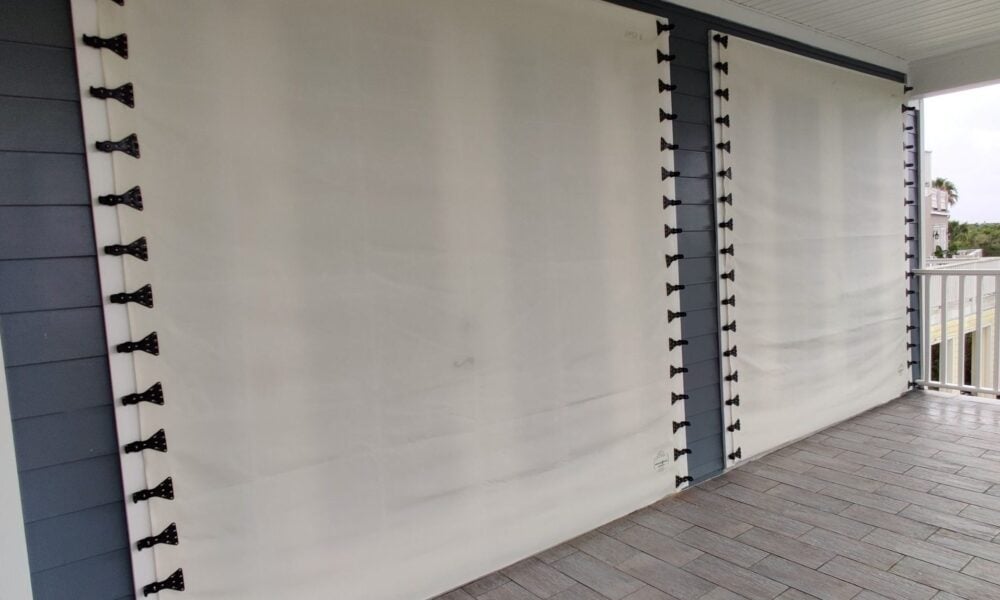
Hurricane fabric is a high-strength, flexible barrier engineered to cover windows, doors, patios, lanais, and other exterior openings during severe weather. It is commonly made from woven synthetic fibers that are designed to resist tearing and absorb the impact of flying debris. Unlike rigid shutters, the material can bend slightly when struck, helping distribute impact forces across a wider area. The fabric is secured around an opening using anchors, clips, straps, tracks, or other manufacturer-approved hardware. When properly installed, it creates a protective shield between the storm and the vulnerable glass or structure behind it. Products vary widely, so homeowners should look for systems that have been tested and approved for their specific region.
Hurricane protection fabric should not be confused with ordinary tarps, shade cloths, privacy screens, or outdoor curtains. Standard fabrics are not designed to withstand hurricane-force winds or impacts from storm debris. Approved storm fabric is manufactured and tested according to specific performance requirements. Depending on the product, it may meet Florida building requirements, Miami-Dade County standards, or other recognized testing criteria. Homeowners should review documentation carefully rather than relying only on product labels or marketing claims. A qualified installer can also verify whether a particular system is appropriate for the property and local wind zone.
How Does Hurricane Fabric Work?
The fabric works by creating a tensioned barrier across an opening before strong winds arrive. When debris strikes the material, the flexible surface absorbs and redirects some of the impact energy. The anchors and mounting system then transfer those forces to the surrounding structure. This can help prevent debris from directly breaking a window, damaging a door, or entering an enclosed patio. Keeping the building envelope protected may also reduce the risk of sudden internal pressure changes that can contribute to major structural damage. The system is only as reliable as the fabric, hardware, surrounding structure, and quality of installation.
Proper spacing between the fabric and the protected surface is often essential. If the material is installed too close to the glass, it may flex inward and make contact when struck. If it is too loose, it may flap excessively or place unpredictable stress on the attachment points. Manufacturers generally provide specific installation measurements, fastening requirements, and tensioning instructions. These guidelines should be followed exactly rather than adapted with unapproved materials. Window size, wall construction, anchor placement, and exposure conditions may all affect the installation design. Professional installation is particularly valuable for oversized openings, second-story windows, and unusual architectural features.
Advantages of Hurricane Fabric
One of the primary advantages of hurricane fabric is its relatively low weight. A single homeowner may be able to carry and install some panels without lifting heavy steel or aluminum shutters. The material can usually be rolled or folded for storage, which is helpful for homes with limited garage or closet space. Fabric panels can also cover large or irregular openings that would otherwise require customized rigid systems. Because the material is flexible, it may be easier to use around lanais, covered patios, entryways, and outdoor living areas. These features make it an appealing option for homeowners who want practical protection without permanently changing the exterior appearance of the home.
Potential benefits include:
- Lightweight panels that may be easier to handle
- Compact storage compared with rigid shutters
- Protection for windows, doors, patios, and lanais
- Options for wide or unusually shaped openings
- Less visual impact when the system is not in use
- Faster setup when panels and anchors are clearly labeled
- Possible cost savings compared with some permanent systems
Another advantage is that many systems allow some natural light to pass through the material. Metal panels and plywood can leave a home completely dark after installation, even before the storm arrives. Certain translucent storm fabrics reduce this problem while still creating a debris barrier. Natural light can make the home feel less confined during extended periods of sheltering indoors. It may also reduce dependence on artificial lighting during daytime power outages. However, visibility and light transmission vary by product, so homeowners should evaluate samples before choosing a system.
Potential Drawbacks to Consider
Hurricane fabric is not the ideal solution for every homeowner or every opening. Although it is lighter than metal shutters, installation may still require ladders, tools, physical strength, and time. Panels must be attached securely at numerous points, and every anchor needs to remain accessible and in good condition. Homeowners with mobility limitations may find the process difficult, especially when covering second-story windows or very large openings. Fabric systems also need to be installed before conditions become unsafe, which requires homeowners to monitor forecasts and act early. A permanently installed roll-down shutter may be more convenient for people who want faster deployment.
The fabric can also become damaged through improper storage, repeated use, sharp objects, chemical exposure, or incorrect installation. Tears, fraying, worn straps, bent hardware, and corroded anchors may reduce the system’s effectiveness. Unlike permanent impact windows, removable panels do not provide everyday security or year-round protection from unexpected debris. Homeowners must retrieve, inspect, position, and secure the panels every time a storm threatens. Missing fasteners or mislabeled panels can cause delays during an already stressful situation. Regular maintenance and practice installations are necessary to keep the system ready for use.
Where Hurricane Fabric Works Best
Storm fabric is often well-suited to large openings that are difficult to cover with conventional shutters. Screened lanais, sliding glass doors, patio entrances, garage openings, balconies, and covered outdoor spaces may all benefit from a flexible protection system. It may also be useful for homes where permanent exterior shutters would conflict with architectural preferences or community rules. Because the fabric can be custom-sized, installers may be able to design panels for columns, arches, angled openings, and other challenging layouts. The material is particularly practical when compact storage is a priority. Homeowners should still confirm that the supporting walls and mounting surfaces are strong enough for the system.
Common applications include:
- Sliding glass door systems
- Floor-to-ceiling windows
- Screened patio and lanai openings
- Front doors with decorative glass
- Covered entryways and porches
- Garage doors and exterior storage areas
- Commercial storefronts and wide building openings
Not every portion of a screened enclosure can necessarily support a fabric panel. Screen frames, lightweight aluminum structures, and decorative trim may not be strong enough to handle storm loads without reinforcement. An installer may need to anchor the system into concrete, masonry, structural framing, or another approved surface. Homeowners should not attach storm fabric to gutters, railings, screen mesh, or other nonstructural components. Improvised connections can fail even when the fabric itself is rated for severe weather. A site-specific evaluation helps determine where the system can be installed safely and effectively.
How Hurricane Fabric Compares With Other Options
Compared with plywood, storm fabric is generally lighter, easier to store, and designed for repeated use. Plywood can be heavy, difficult to install, and vulnerable to warping or moisture damage between storms. It may also require repeated drilling that damages exterior surfaces over time. Fabric panels use a planned attachment system that remains ready for future deployment. However, plywood may have a lower initial cost for homeowners who need temporary protection and have the skills to install it correctly. Local rules and emergency guidance should always be considered before relying on any homemade storm barrier.
Compared with metal panels, fabric is easier to handle and less likely to create sharp-edge hazards during installation. Metal shutters may feel more rigid and can provide excellent protection when properly tested and installed. Accordion and roll-down shutters also remain attached to the home, reducing storage needs and simplifying setup. The tradeoff is that permanent shutter systems are often more visible and may have a higher purchase price. Fabric offers a middle ground between inexpensive temporary materials and more elaborate permanent products. The best choice depends on the homeowner’s budget, physical abilities, home design, storage space, and preferred preparation routine.
Impact-resistant windows provide continuous protection without requiring panels to be installed before each storm. They may also improve security, reduce exterior noise, and eliminate the need to store removable coverings. However, replacing windows and doors throughout an entire home can require a substantial investment. Hurricane fabric may offer a more affordable way to protect existing openings without completing a major renovation. Some homeowners use impact windows on the most exposed parts of the home and fabric on patios or secondary openings. Combining multiple approved systems can create a customized strategy that balances convenience and cost.
Choosing the Right Hurricane Fabric System
Homeowners should begin by confirming that the system is approved for use in their location. Florida wind zones, coastal exposure, building type, and local permitting requirements may affect which products can be installed. Request written documentation showing testing results, product approvals, installation specifications, and warranty terms. Ask whether the quoted price includes measurements, custom fabrication, anchors, hardware, labeling, permits, and professional installation. Homeowners should also learn how long deployment takes and whether the system requires special tools. A low-cost product may not be a good value if it lacks proper documentation or dependable support.
Important questions to ask include:
- Has the product passed recognized impact and wind-pressure testing?
- Is it approved for the home’s location and building type?
- What surfaces can support the required anchors?
- How far should the fabric sit from the protected opening?
- Can the homeowner install the panels without professional help?
- What maintenance and inspection procedures are required?
- How should the panels and hardware be stored?
- Does the installation require a local building permit?
It is also wise to compare multiple contractors and request detailed written estimates. The proposal should identify every opening being protected and the exact product being used. Avoid estimates that do not explain the hardware, attachment method, product approval, or warranty coverage. Homeowners should verify licensing and insurance requirements that apply to the work. References from previous customers can provide insight into installation quality and after-sales support. The goal is to purchase a complete protection system rather than fabric panels without a reliable installation plan.
Installation and Storage Tips
Every fabric panel should be labeled according to the window, door, or opening it protects. Labels should remain easy to read even after years in storage. Store all fasteners, clips, straps, tools, and instructions together in a waterproof, clearly marked container. The panels should be clean and completely dry before they are folded or rolled. Moisture trapped during storage can contribute to odors, staining, mildew, or material deterioration. Keep the system away from sharp tools, chemicals, pests, direct sunlight, and areas that may flood.
Homeowners should complete a practice installation before hurricane season begins. This allows time to identify missing hardware, damaged anchors, confusing labels, or panels that no longer fit correctly. Practice can also reveal whether additional help is needed to cover larger openings. After removing the panels, inspect the attachment points and replace any damaged components with approved parts. Do not substitute hardware-store screws, ropes, or improvised fasteners for manufacturer-specified equipment. A short annual practice session can prevent major delays when a real storm approaches.
Frequently Asked Questions
Is hurricane fabric as strong as metal shutters?
Approved storm fabric can provide effective impact protection when properly installed, but performance depends on the specific product and attachment system. Homeowners should compare testing and approval documents rather than judging products only by material type.
Can hurricane fabric protect a screened lanai?
Yes, certain systems can protect large lanai openings when anchored to appropriate structural surfaces. The screen enclosure itself may not be strong enough to serve as the attachment point.
Can homeowners install the fabric themselves?
Some systems are designed for homeowner deployment after professionals install the anchors. The process may still require tools, ladders, physical effort, and assistance with large panels.
Does hurricane fabric stop all water from entering?
No. The material is primarily intended to resist wind and debris, not create a completely waterproof seal. Wind-driven rain may still enter around edges or through nearby openings.
How long does hurricane fabric last?
Service life depends on the product, frequency of use, climate exposure, maintenance, and storage conditions. Homeowners should follow the manufacturer’s inspection and replacement guidance.
Can fabric remain installed throughout hurricane season?
Some systems may tolerate extended installation, but leaving panels up can affect exits, visibility, ventilation, and everyday use. Follow manufacturer instructions and local safety requirements.
Does hurricane fabric lower homeowners’ insurance premiums?
Approved protection may qualify for insurance considerations in some situations, but eligibility varies by carrier and policy. Homeowners should speak directly with their insurance provider before expecting a discount.
When should storm fabric be installed?
Install it before tropical-storm-force winds reach the area and before local officials advise residents to stop outdoor preparation. Never attempt installation when weather conditions have already become dangerous.
Is Hurricane Fabric the Right Choice for Your Home?
Hurricane fabric can be a smart storm preparation option for homeowners seeking lightweight, compact, and adaptable protection. It is particularly useful for wide doors, lanais, patios, and unusual openings that may be challenging to cover with rigid shutters. The material can offer tested debris protection without the storage demands of heavy panels or the cost of replacing every window. However, it still requires proper installation, routine inspection, organized storage, and timely deployment before a storm. Homeowners should choose an approved system and avoid treating ordinary tarps or outdoor fabrics as substitutes. Professional guidance can help ensure the anchors, spacing, and surrounding structure are appropriate for anticipated storm forces.
No single product can eliminate every risk associated with hurricanes. A complete preparation plan should also address roofing, doors, drainage, landscaping, outdoor furniture, emergency supplies, insurance documentation, and evacuation procedures. Residents should always follow official alerts and evacuation orders, regardless of the protection installed at home. For many Florida properties, hurricane fabric provides a practical balance of cost, convenience, storage efficiency, and storm performance. Its value depends on selecting a tested product and maintaining it as a complete system. With early planning and responsible installation, homeowners can use storm fabric as an important part of a broader strategy for protecting their property during hurricane season.





