LA-based OLOS Impact is leading the way to innovative solutions.
Churches are rarely among the first institutions mentioned in discussions about housing policy. But that may be beginning to change.
Across the United States, faith-based organizations own underused land, oversized parking areas and aging facilities. Many of these properties are in established neighborhoods where housing demand is high and developable land is scarce.
At the same time, churches themselves are confronting difficult choices. Some have more property than their current congregations require. Others face substantial repair costs or need new sources of income to continue serving their communities. The options presented to them have often been limited: sell the property, incur debt, merge with another congregation or gradually reduce services.
Housing development offers another possibility.
Chris Montes, Founder and CEO of OLOS Impact
With the right partners and protections, a church may be able to transform underused property into attainable and community-serving housing without surrendering the land or stopping their neighborhood legacy.
Why This Opportunity Is Emerging Now
The worsening housing shortage has intensified the search for land in urban and suburban communities.
Builders face escalating acquisition costs, lengthy approval periods, rising construction expenses and limited access to early-stage development capital. A project can fail financially before construction begins because the cost of purchasing and carrying the land is too high.
An emerging faith-based organization, OLOS Impact, is innovating new approaches to the shortage of accessible housing: Founder and CEO Christopher Montes and his team are advocating for a model in which ideal partnerships with faith organizations can change the housing equation.
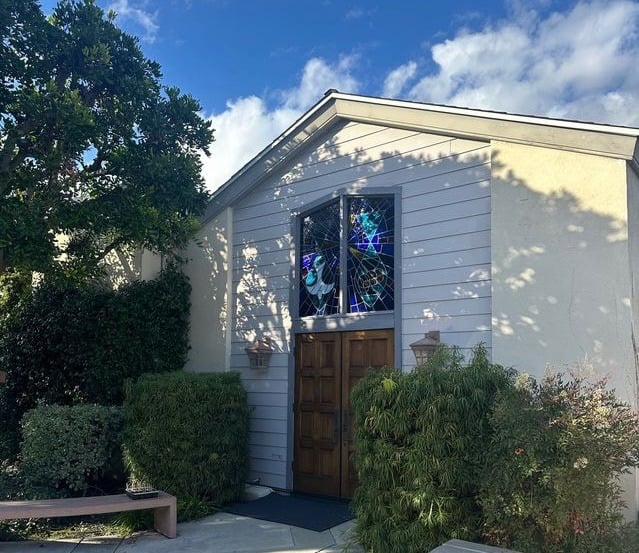
Instead of completing a conventional land sale, a church and a partnered developer can structure a long-term arrangement in which the property land value is contributed to the project. The churches receive income, improved facilities and continued community impact. The housing development gains access to a site without absorbing the full cost burden of a conventional acquisition because of the partnership model.
That does not make the housing inexpensive or eliminate every obstacle. It can, however, remove one of the largest barriers.
The concept is especially relevant for housing intended for teachers, service workers, ministry staff, young families and others who earn too much to qualify for deeply subsidized housing but earn too little to afford housing in many of the communities where they work.
Churches Should Not Be Asked to Become Developers
Montes points out that faith organizations, by their very design, are stewards of people and missions. Most are not real estate development companies, and they should not be expected to become them.
A housing proposal may involve zoning, density analysis, architecture, entitlement, environmental review, financing, construction, legal risk and decades of asset management. Church leaders may encounter sophisticated parties whose incentives differ sharply from their own.
That makes alignment and transparency essential.
Before committing to any project, a church should be able to answer several questions:
- Does the development support the organization’s mission?
- What does the church retain, and what does it give up?
- Who assumes development and financial risk?
- How will the project affect the surrounding neighborhood?
- What happens if approvals, construction costs or market conditions change?
- What safeguards ensure that the promised housing and community benefits are actually delivered?

The objective, Montes maintains, should not be to persuade every church to develop its land. It should be to give each organization enough information to make a responsible decision.
Technology can improve that process by helping teams evaluate zoning, potential unit counts, project economics, likely church returns and community impact earlier. Better front-end analysis allows both the church and developer to reject an unworkable idea before spending substantial money — or to proceed with a clearer understanding of a viable opportunity.
Communities Need a Voice in the Process
Residents also have legitimate interests.
Housing proposals can create concerns about traffic, height, parking, school capacity and neighborhood character. Those questions should be addressed with evidence rather than dismissed as resistance.
But communities must also recognize the cost of failing to build.
When teachers, emergency personnel, service workers and young families cannot live near their jobs, the effects extend beyond individual household budgets. Commutes grow longer. Employers struggle to retain workers. Families leave. Communities become economically narrower and less resilient.
Local officials frequently hear from residents opposing individual developments. They also need to hear from people who support well-designed housing and understand the human cost of continued scarcity.
The Policy Opportunity
California, where OLOS is headquartered, has taken a leading role in creating a more direct approval pathway for housing on land owned by religious institutions. Similar policy discussions are likely to expand as other states recognize the amount of potentially usable land involved.
Good legislation should not eliminate reasonable public review or local development standards. It should create predictability, reduce duplicative delay and allow appropriate projects to be judged on their actual merits.
Policymakers should also address the shortage of predevelopment capital. Before a project can qualify for construction financing, it needs funds for analysis, design, engineering, legal work and entitlement. This stage is both essential and difficult to finance.
Public-private predevelopment funds, loan guarantees and carefully structured incentives could help more viable projects reach the point where traditional capital becomes available.
A Partnership, not a Property Grab
Says Montes: “The greatest risk in the emerging faith-land housing sector is that churches are treated merely as holders of valuable real estate. However, the greatest opportunity is the ability to work together with these tremendous resources as genuine partners.”
Churches have histories, relationships and missions that cannot be reduced to the price per acre. Developers bring expertise the churches generally do not possess. Communities bring needs and local knowledge. Investors bring capital. Public officials establish the conditions under which responsible projects can proceed.
When those interests are aligned, church-owned land can produce more than a one-time sale. It can provide homes, generate enduring value and allow a faith organization to continue serving its community in a new form. Multiple of these partnerships are now forming and will become known in the very near future, according to Montes and the OLOS team.
Churches will not solve the housing shortage alone. But if OLOS continues to succeed in its mission, they may become one of the most consequential housing partners America has not yet fully recognized.







