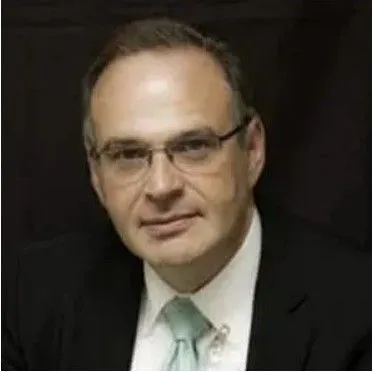
Cedarhurst cardiologist draws attention to advanced cardiac imaging as World Heart Day approaches on September 29
CEDARHURST, N.Y. — September 3, 2026 — With World Heart Day 2026 approaching on September 29, Dr. Sergio Sokol, a board-certified cardiologist and president of Five Towns Heart Imaging in Cedarhurst, New York, is highlighting the role of nuclear cardiology and other noninvasive cardiac imaging technologies in contemporary cardiovascular evaluation.
The timing of the announcement coincides with the World Heart Federation’s 2026 World Heart Day campaign, which focuses on the message “Heart disease can hide in plain sight: Don’t miss a beat.” World Heart Day is observed annually on September 29 and serves as a global opportunity to raise awareness of cardiovascular disease and encourage greater attention to heart health.
Against this backdrop, Dr. Sergio Sokol is drawing attention to how nuclear cardiology can provide physicians with additional information when evaluating appropriately selected patients for cardiovascular conditions. His focus on nuclear cardiology and diagnostic cardiac imaging reflects the broader role of image-based assessment in modern noninvasive cardiology.
A Timely Focus on Heart Imaging Before World Heart Day
As communities prepare to recognize World Heart Day later this month, Dr. Sokol is emphasizing the importance of understanding the diagnostic tools available to physicians when evaluating cardiovascular health.
Nuclear cardiology is a specialized area of cardiovascular imaging that uses small amounts of radioactive tracers and specialized imaging equipment to assess blood flow and activity within the heart. Depending on the study performed, the resulting images can provide information that physicians may use when evaluating coronary artery disease, previous cardiac injury, myocardial perfusion, and aspects of cardiac function.
Unlike invasive diagnostic procedures that require instruments to be introduced into the body, nuclear cardiac imaging is performed as a noninvasive diagnostic study. Whether such testing is appropriate depends on the patient’s medical history, symptoms, risk factors, previous testing, and the clinical judgment of the treating physician.
“Cardiovascular evaluation should always be thoughtful and individualized,” said Dr. Sergio Sokol. “Nuclear cardiology gives physicians another noninvasive tool to better understand what may be happening inside the heart, but every decision about testing has to be made in the context of a patient’s own history and needs.”
Understanding the Role of Nuclear Cardiology
During a nuclear cardiology examination, a radioactive tracer is administered and a specialized camera records images as the tracer moves through the heart. The resulting information can help physicians examine patterns of blood flow to the heart muscle and identify findings that may warrant further evaluation.
Nuclear cardiology represents one component of a broader diagnostic approach. Echocardiography, vascular testing, electrocardiography, clinical examination, laboratory testing, and other diagnostic methods may also contribute to a physician’s assessment.
Dr. Sokol’s cardiovascular practice incorporates multiple forms of noninvasive cardiology, including nuclear cardiology, echocardiography, vascular disease evaluation, and diagnostic cardiac imaging. This multidisciplinary approach reflects the principle that cardiovascular assessment should be based on the individual patient’s circumstances rather than a single diagnostic modality.
Why Noninvasive Cardiovascular Imaging Remains Relevant
Cardiovascular disease continues to represent a major public health concern in the United States and worldwide. The World Heart Federation identifies cardiovascular disease as the world’s leading cause of death and has made heart-health awareness a central focus of its annual World Heart Day campaign.
The 2026 World Heart Day campaign specifically encourages people to recognize signs and symptoms of cardiovascular disease and to take action to protect heart health.
Within this broader conversation, noninvasive imaging can provide physicians with valuable diagnostic information without requiring surgery. Nuclear cardiology, in particular, can offer insight into myocardial perfusion and cardiac function in appropriately selected clinical situations.
However, imaging tests are diagnostic tools rather than treatments and are not necessary or appropriate for every patient. Decisions regarding testing should be made by qualified healthcare professionals after considering an individual’s symptoms, medical history, risk profile, and other available clinical information.
Dr. Sergio Sokol’s Cardiovascular Background
Dr. Sergio Sokol’s professional background includes extensive training and experience in cardiology and noninvasive cardiovascular evaluation. He earned his medical degree from the Sackler School of Medicine at Tel Aviv University and completed an internal medicine residency at Albert Einstein College of Medicine.
He subsequently completed a cardiology fellowship through North Shore University Hospital/Long Island Jewish Medical Center. Dr. Sokol also served as chief of cardiology at St. John’s Episcopal Hospital in Far Rockaway from 2008 through 2025.
His experience in hospital cardiology leadership, medical education, and cardiovascular imaging has contributed to his perspective on the role of diagnostic technologies in contemporary cardiovascular practice.
Continuing the Conversation Around Heart Health
With World Heart Day 2026 taking place September 29, Dr. Sokol is using the September observance as an opportunity to highlight the importance of informed cardiovascular evaluation and awareness.
The World Heart Federation’s 2026 campaign encourages the public to recognize that heart disease can sometimes go unnoticed and promotes greater awareness of cardiovascular symptoms and prevention.
For Dr. Sokol, the discussion surrounding World Heart Day also provides an opportunity to explain how noninvasive diagnostic technologies, including nuclear cardiology, can fit within a physician-guided approach to cardiovascular assessment.
As advances in cardiac imaging continue to expand the information available to physicians, nuclear cardiology remains one component of the broader diagnostic toolkit used to understand cardiovascular health. Through his work at Five Towns Heart Imaging, Dr. Sokol continues to focus on noninvasive cardiology and image-based cardiovascular evaluation while emphasizing individualized clinical decision-making.
About Dr. Sergio Sokol
Dr. Sergio Sokol is a board-certified cardiologist and president of Five Towns Heart Imaging in Cedarhurst, New York. His clinical focus includes noninvasive cardiology, nuclear cardiology, echocardiography, vascular disease evaluation, and diagnostic cardiac imaging.
Media Contact
Dr. Sergio Sokol
Email: info@drsergiosokol.com
Website: drsergiosokol.com







