
Share
Share
Share
Share
The field of dentistry has witnessed a remarkable transformation over the past decade, driven by advancements in materials science, digital workflows, and patient expectations. At the center of this evolution lies fixed prosthodontics, a specialized discipline focused on restoring damaged or missing teeth using permanent solutions such as crowns, bridges, and implant-supported restorations.
Unlike removable prosthetics, fixed prosthodontic solutions are designed to integrate seamlessly with the patient’s natural dentition, offering durability, functionality, and aesthetics that closely replicate real teeth. As demand for high-quality, long-lasting dental restorations continues to grow, the role of modern dental laboratories has become more critical than ever.
Today’s dental labs are no longer just fabrication units—they are technology-driven innovation centers that collaborate closely with dentists to deliver precise, customized restorations. This article explores the technologies, trends, and processes shaping fixed prosthodontics and how modern dental labs are redefining the future of restorative dentistry.
Understanding Fixed Prosthodontics
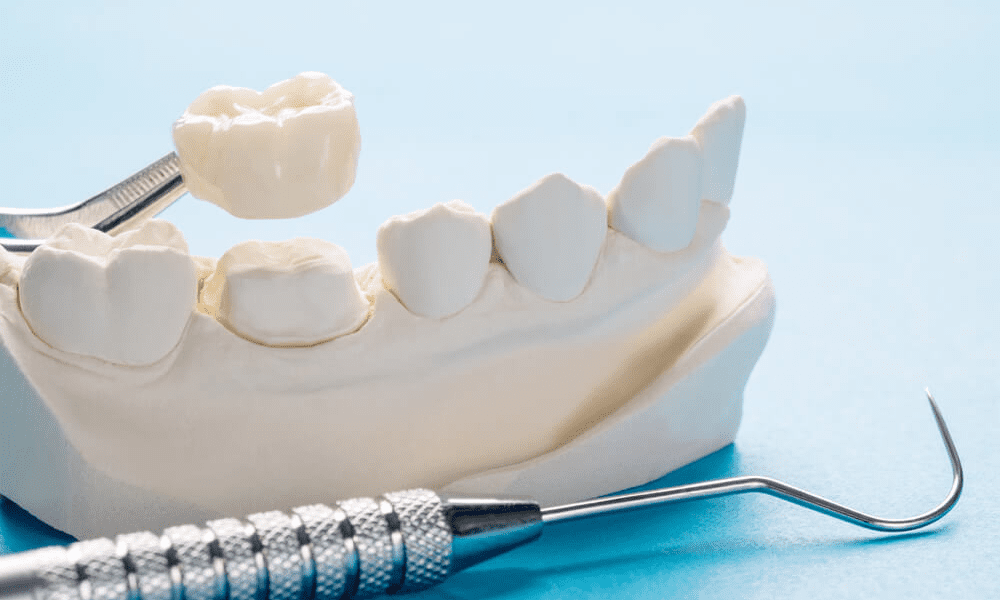
Fixed prosthodontics involves the design, creation, and placement of dental restorations that are permanently attached to the teeth or implants. These restorations are not removable by the patient and are intended to function like natural teeth.
Common types of fixed prosthodontic treatments include:
- Dental Crowns: Used to restore damaged or weakened teeth by covering them with a protective cap
- Dental Bridges: Replace one or more missing teeth by anchoring artificial teeth between natural ones
- Implant-Supported Restorations: Provide a stable solution for missing teeth using titanium implants
- Full-Mouth Rehabilitation: Comprehensive treatment involving multiple restorations to rebuild oral function
The primary goal of fixed prosthodontics is to restore oral health, improve function, and enhance aesthetics, all while ensuring long-term durability.
The Evolution of Dental Laboratories
Traditionally, dental laboratories relied heavily on manual craftsmanship. Skilled technicians would create restorations by hand using molds and physical impressions. While this approach required significant expertise, it also introduced variability and longer turnaround times.
Modern dental laboratories have evolved significantly, embracing digital technologies that enhance precision and efficiency. Today’s labs operate using:
- Digital scanning systems
- Computer-aided design (CAD) software
- Computer-aided manufacturing (CAM) equipment
- Automated milling machines
- 3D printing technologies
This transformation has enabled dental labs to produce restorations with unparalleled accuracy, consistency, and speed.
Digital Dentistry and Its Impact
CAD/CAM Technology
One of the most significant advancements in fixed prosthodontics is the adoption of CAD/CAM technology. This system allows dental technicians to design restorations digitally and manufacture them using automated processes.
The benefits of CAD/CAM include:
- Exceptional precision and fit
- Reduced human error
- Faster production timelines
- Consistent quality across restorations
Dentists can now rely on highly accurate restorations that require minimal adjustments during placement.
Digital Impressions
Traditional dental impressions often caused discomfort for patients and sometimes resulted in inaccuracies. Digital impressions have replaced this process with intraoral scanners that capture detailed 3D images of the patient’s teeth.
Advantages include:
- Improved patient comfort
- Higher accuracy
- Faster data transfer to laboratories
- Better collaboration between dentist and technician
This seamless integration between clinics and labs has significantly improved treatment outcomes.
3D Printing in Dental Labs
3D printing is revolutionizing dental manufacturing. Labs can now produce models, surgical guides, and even temporary restorations quickly and efficiently.
This technology allows for:
- Rapid prototyping
- Cost-effective production
- Customization at scale
As 3D printing continues to advance, its role in fixed prosthodontics will only expand.
Materials Driving Modern Prosthodontics
The success of fixed prosthodontic restorations depends heavily on the materials used. Modern materials are designed to provide both strength and aesthetics.
Zirconia
Zirconia is one of the most widely used materials in prosthodontics due to its strength and durability. It is particularly suitable for crowns and bridges in high-pressure areas.
Lithium Disilicate
Known for its excellent aesthetics, lithium disilicate offers a natural translucency that closely mimics real teeth. It is commonly used for anterior restorations.
Porcelain
Porcelain remains a popular choice for its ability to replicate the appearance of natural enamel. It is often layered over stronger materials to combine aesthetics with durability.
Hybrid Materials
New hybrid materials combine the benefits of ceramics and composites, offering flexibility, strength, and improved performance.
Benefits of Fixed Prosthodontics
Fixed prosthodontics offers several advantages over traditional removable solutions:
Long-Term Durability
These restorations are designed to last for many years with proper care.
Natural Appearance
Advanced materials and design techniques ensure restorations blend seamlessly with natural teeth.
Improved Functionality
Patients regain normal chewing and speaking abilities.
Enhanced Confidence
A restored smile significantly improves self-esteem and quality of life.
Challenges and Considerations
Despite its advantages, fixed prosthodontics requires careful planning and execution. Challenges include:
- Achieving precise fit and alignment
- Selecting the right materials
- Ensuring proper bite function
- Maintaining long-term oral health
Collaboration between dentists and dental laboratories is essential to overcome these challenges and achieve optimal results.
The Role of Collaboration in Success
One of the defining aspects of modern prosthodontics is the close collaboration between dental clinics and laboratories. Digital workflows enable real-time communication, allowing technicians and dentists to work together more effectively.
This collaboration ensures:
- Accurate interpretation of clinical requirements
- Faster turnaround times
- Improved patient outcomes
Labs like Novadent exemplify this collaborative approach, combining technical expertise with advanced technology to deliver high-quality restorations.
Emerging Trends in Fixed Prosthodontics
AI-Assisted Design
Artificial intelligence is beginning to play a role in designing dental restorations. AI can analyze patient data and suggest optimal designs, improving efficiency and accuracy.
Fully Digital Workflows
The future of dentistry lies in end-to-end digital workflows, where every step—from diagnosis to fabrication—is digitized.
Personalized Dentistry
Advancements in technology are enabling highly personalized treatments tailored to each patient’s unique anatomy and needs.
Faster Turnaround Times
Automation and digital processes are reducing production times, allowing patients to receive restorations more quickly.
The Future of Dental Laboratories
Dental laboratories are evolving into high-tech production centers that combine automation, digital design, and advanced materials. The integration of AI, robotics, and data analytics will further enhance their capabilities.
In the future, we can expect:
- Fully automated production systems
- Real-time collaboration between clinics and labs
- Increased use of biocompatible materials
- Greater focus on patient-specific solutions
Conclusion
Fixed prosthodontics represents one of the most advanced and impactful areas of modern dentistry. By combining clinical expertise with cutting-edge technology, it provides patients with durable, functional, and aesthetically pleasing solutions.
The transformation of dental laboratories into digital innovation hubs has played a crucial role in this evolution. With advancements in CAD/CAM technology, 3D printing, and material science, the future of prosthodontics looks more promising than ever.
As dentistry continues to embrace innovation, the collaboration between dentists and modern labs like Novadent will remain a key driver of progress—ensuring that patients receive the highest standard of care and the best possible outcomes.