
Share
Share
Share
Share
Choosing the right waist trainer starts with understanding your body shape. Different body types need different levels of support, coverage, and compression. In this guide, we will look at how to find a waist trainer that feels comfortable, fits well, and works for your shaping goals.
Why Body Shape Matters When Choosing a Waist Trainer
A waist trainer is meant to shape and support your midsection, but the way it fits depends on more than your waist measurement alone. Two women can have the same waist size and still need very different styles. One may have a short torso and need a shorter design that does not dig into the ribs or hips. Another may have a longer torso and need more vertical coverage for a balanced and secure fit.
Body shape also affects how pressure is distributed. If the design does not match your proportions, you may notice bunching, rolling, pinching, or uneven compression. In some cases, the waist trainer may look fine at first but become uncomfortable after a short period of wear. This is why a more thoughtful approach often leads to a better experience than simply choosing the most popular or most compressive option.
The goal is not to force your body into a shape that feels unnatural. The goal is to choose a waist trainer that complements your figure and supports the way you want to wear it in daily life.
Common Body Shapes and What They Need
Hourglass Shape
Women with an hourglass figure usually have a defined waist with balanced proportions between the bust and hips. This body shape often works well with waist trainers because the natural waistline is already visible, so the main goal is usually enhancing smoothness and adding support.
For this shape, a waist trainer should follow the natural curve of the waist without creating excessive pressure. A design with balanced compression and a secure fit often works best. If the material is too stiff or the structure is too aggressive, it may feel overly restrictive instead of flattering. Comfort matters just as much as shaping because the body already has a natural curve to work with.
Pear Shape
A pear shaped body usually has a smaller upper body with fuller hips and thighs. In many cases, the waist is naturally defined, but the lower torso may need a waist trainer that transitions smoothly into the hip area.
Women with this shape often benefit from high waisted designs that provide enough abdominal coverage without cutting awkwardly across the hips. A style that hugs the waist but allows a natural flow into the lower body can create a smoother look under clothing. If the waist trainer is too straight in its cut, it may feel tight at the hips while leaving the waist unsupported.
Apple Shape
Apple shaped figures often carry more fullness around the midsection, especially in the upper abdomen. For this body shape, support and tummy control are usually top priorities.
A waist trainer for an apple shape should provide consistent compression through the midsection and stay in place throughout the day. Good coverage is especially important because a narrow or overly short design may not feel stable enough. Women with this body shape often do better with styles that offer firm support, adjustable closure options, and breathable materials that make shaping feel more wearable.
Rectangle Shape
A rectangle body shape is usually more straight through the waist, with less difference between the bust, waist, and hips. In this case, a waist trainer can help create more visible definition and a smoother silhouette.
This body shape often benefits from waist trainers that combine shaping with flexibility. Too much stiffness can feel uncomfortable, especially if there is no natural curve for the garment to follow. A well designed waist trainer can help define the waistline while still feeling natural and supportive. For many women with this shape, the best results come from a balance of structure and comfort rather than maximum compression.
Petite or Short Torso
Women with a petite frame or a short torso often struggle with waist trainers that are too long. When the garment extends too far upward or downward, it can press into the bust, ribs, or hips. This can make even a good product feel wrong.
A shorter or more flexible waist trainer is often a better choice for this body type. The fit should feel secure without overwhelming the torso. It should also allow easy movement when sitting, walking, or going about daily activities. A design that is too long may roll or buckle, which reduces both comfort and shaping performance.
Long Torso
Women with a long torso often need more coverage than standard waist trainers provide. A shorter style may leave gaps in support or create an uneven look across the midsection.
For this body type, longer waist trainers can offer a more balanced fit and a smoother overall shape. Coverage matters because it helps the garment stay in place and distribute compression more evenly. If you have a long torso, looking for designs with added length can make a noticeable difference in how supportive and flattering the waist trainer feels.
Key Features to Look For
Compression Level
Compression is one of the first things shoppers notice, but stronger is not always better. Light to medium compression is often a good choice for everyday wear because it offers shaping without feeling too intense. Firm compression can create a more dramatic effect, but it should still feel manageable and supportive rather than overly restrictive.
The right compression level depends on how you plan to wear the waist trainer. If you want something for regular daily use, comfort should be a priority. If your goal is more visible shaping for a specific outfit or occasion, you may prefer a firmer style. The most important thing is choosing a level that matches your needs instead of assuming tighter automatically means better.
Material
Material affects both comfort and performance. A waist trainer should feel supportive, but it should also feel breathable enough for practical wear. Fabrics with some flexibility can help the garment move better with your body, while more structured materials can create stronger shaping.
A good waist trainer should not feel rough, overly stiff, or uncomfortable against the skin. Breathable construction is especially helpful if you plan to wear it for longer periods. Material also affects how smooth the waist trainer looks under clothing, so this feature should never be overlooked.
Structure and Support
Some waist trainers are softer and more flexible, while others offer a more structured feel. The right level of support depends on your body shape and your styling goals. If you want light shaping for everyday use, a softer design may feel better. If you want more waist definition and support, a more structured waist trainer may be the better option.
The key is choosing a product that helps shape the body without making movement feel difficult. Good support should feel stabilizing, not harsh.
Adjustability
Adjustability can make a big difference in fit. Features such as multiple rows of closures or adjustable belts can help you get a more personalized feel. This is especially useful if your body shape does not fit perfectly into a standard size range.
A more adjustable waist trainer often works better for beginners because it allows room to find a comfortable fit. It also helps the garment feel more practical for different outfits and daily needs. Instead of forcing yourself into a fixed shape, you can choose a product that works with your body more naturally.
Length and Coverage
Waist trainer length should match your torso. If it is too short, it may not provide enough support. If it is too long, it may dig into areas that should stay comfortable. Coverage also matters because some women want more abdominal smoothing while others only want focused waist shaping.
This is one of the most important details to consider, yet many shoppers ignore it. A better match between torso length and garment length can improve comfort, support, and the overall look under clothing.
How to Match a Waist Trainer to Your Lifestyle
Your body shape matters, but your lifestyle matters too. The best waist trainer is one that fits both your figure and the way you plan to wear it.
If you want a waist trainer for everyday use, comfort should come first. A design with flexible support, breathable materials, and moderate shaping is often the best choice. It should be easy to wear under regular clothes and feel practical for daily movement.
If you are looking for stronger tummy control, then support and coverage become more important. A high waisted design with a secure fit can help smooth the midsection more effectively. This type of style often works well for women who want a cleaner look under dresses, fitted tops, or special occasion outfits.
If your priority is a more sculpted appearance, then a more structured waist trainer may be the right fit. In this case, you may want firmer compression and a design that helps define the waist more clearly. Even so, the fit should still feel wearable and appropriate for your body proportions.
The biggest mistake is choosing a waist trainer based only on appearance without thinking about how it will actually be used. A good product should support your goals in a way that feels realistic and comfortable.
Tips for Finding the Best Fit
Start by measuring your waist accurately and checking the brand’s size guide. Do not rely on guesses or choose a smaller size in hopes of getting a more dramatic result. A correct fit will usually give you a better overall appearance than an overly tight one.
Think carefully about your torso length and your natural body proportions. If you often find shapewear too long or too short, make that one of your main selection criteria.
Be honest about how you plan to wear the waist trainer. If it is for daily use, prioritize comfort and flexibility. If it is mainly for stronger shaping, then focus more on structure and support. Either way, the product should still feel appropriate for your body and easy enough to wear with confidence.
Most importantly, choose a waist trainer that supports your real needs, not just an ideal image. The right product should work with your body, not against it.
Finding a Waist Trainer That Works for You
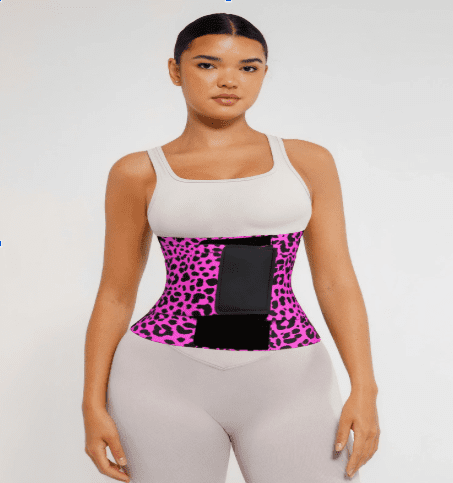
That is why features such as tummy control, comfortable support, and an adjustable fit—like the one found in the Feelingirl Triple Wrap Tummy Control Waist Trainer Belt—matter so much. These breathable materials and body-conscious designs ensure the trainer helps you feel supported and confident while giving you the shaping effect you want in a way that feels natural and practical.
Final Thoughts
Choosing the right waist trainer starts with understanding your body shape. Once you know what kind of fit, coverage, and support your body needs, the entire shopping process becomes easier. Instead of guessing or choosing based on hype alone, you can focus on the features that will actually make a difference.
The best choice is not always the tightest or the most structured style. It is the one that fits your proportions, matches your lifestyle, and gives you the comfort and shaping you are looking for. When those elements come together, it becomes much easier to find a waist trainer that truly works for you.





