
Share
Share
Share
Share
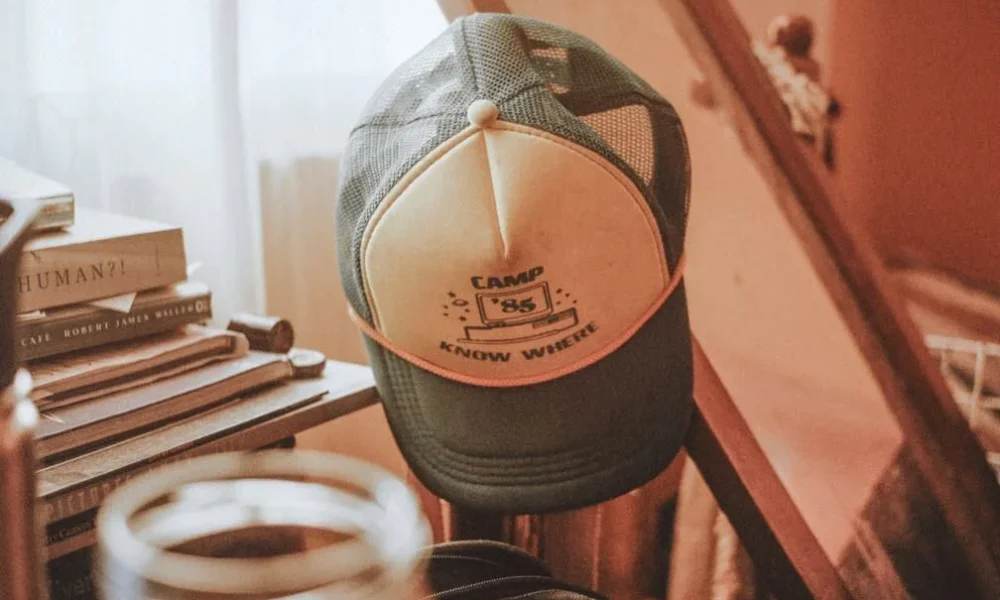
Trucker hats seem like a great choice for employee swag. They’re practical, breathable, and can be worn outside the office. However, many workplaces show a different reality: most hats are received gladly but rarely worn.
This doesn’t mean trucker hats are a lost cause. It shows how personal taste matters in swag. Employees won’t wear a cap that feels forced or looks overly branded. They prefer items that fit their style—comfortable, familiar, and not just ads.
This guide explains why hats go unused and how to create trucker hats for daily life. They can be worn during commutes, weekends, travels, or team events.
Why Don’t Employees Wear Company Hats?
The “unworn swag” issue isn’t about ingratitude. It’s about comfort. A free hat may come with costs like style and social acceptance.
Style risk is key. If a hat is too corporate—big logos, bright colors, busy designs—people feel like they’re wearing a sign. Even loyal employees avoid branded items outside work, fearing unwanted attention.
Comfort risk often goes unnoticed. A poorly fitting hat can be uncomfortable. If it’s too high or has a strange shape, it won’t feel right. An itchy sweatband can ruin the experience. If a hat is uncomfortable, it ends up in the drawer.
Social risk also plays a role. Employees wonder, “Is this normal?” If it looks like a uniform, they may only wear it at work—or not at all.
How to fix it: Design for everyday wear. Assume employees will only wear hats that fit seamlessly into their wardrobes. Your goal is to eliminate discomfort: make it comfortable, easy to match, and keep branding subtle.
What Kind of Trucker Hat Will They Actually Wear?
Employees prefer hats that fit their lives, not strict brand guidelines. Wearable swag hats have one essential quality: they don’t force the wearer to commit to your brand.
This usually means a stylish shape, neutral color, and branding that whispers, not shouts. The hat should look like it came from a trendy store, not a freebie from the break room.
Think of it as sellable merch, not corporate chaos. If you’d sell the hat to customers, employees are more likely to wear it. If it feels like a uniform, it’ll go straight to the back of the closet.
How to do it:
- Choose a classic trucker shape—nothing too flashy.
- Use a versatile base color that fits everyday outfits.
- Embrace minimalist design: one logo placement, not multiple.
- For brand energy, consider a tasteful patch or subtle color detail, not bold lettering.
Which Fit Works for Most People?
Fit is tricky since head shapes vary. What looks good on one person might not on another. So, “one hat fits all” needs a universal profile.
The best fit for a trucker hat is typically mid-profile with an adjustable snapback. Mid-profile strikes a balance—not too tall or too low. It looks normal on most people in different situations.
Brim shape matters too. A gently curved brim is widely accepted. A flat brim might feel too streetwear, while a super-curved brim can seem dated. These small differences can affect whether someone feels comfortable wearing it.
How to do it:
- Stick with mid-profile unless your team prefers something else.
- Choose an adjustable closure (snapbacks work well).
- Avoid stiff front panels unless they match your team’s style.
- If possible, order samples for employees to try on. Fit issues become clear when observed on real heads.
What Materials Feel Comfortable All Day?
Material affects comfort in two main ways: heat and feel. Trucker hats gained popularity partly due to their airy mesh backs. But not all mesh is created equal; many promotional hats skimp on quality.
Most overlooked? The sweatband. This part touches the skin all day. If it’s scratchy or holds sweat, the hat may be retired after one wear. Rough seams can turn a must-have into a never-worn item.
The front panel’s material also impacts appeal. Foam fronts can be light, but cheap foam often looks flimsy. Cotton twill or solid polyester blends usually look neater and maintain shape better. Comfort isn’t just about softness; it’s also about how the hat feels secure.
How to do it:
- Choose a plush sweatband (soft, not scratchy).
- Ensure the mesh is breathable and flexible.
- Select front panel materials that look retail-quality, not giveaway.
- Consider your environment: breathable materials are key for outdoor or warm workplaces.
Where Should the Logo Go So It Doesn’t Feel Like an Ad?
Logo placement affects perception. People like branding that feels genuine (think Nike’s small swoosh). They avoid anything that looks like an ad.
A giant logo on the front feels promotional. That can stop people from wearing it. Smaller branding softens this tension, letting the hat be part of an outfit first and a brand statement second.
Placement matters too. Front-and-center feels like a statement, while side or back placements feel more subtle. A patch can feel like real merchandise because it resembles a fashion element, not just a logo.
How to do it:
- Use smaller logos, treating the brand mark as a design feature.
- Consider a sleek patch instead of bulky embroidery on the front.
- Side logo, back logo above the snap, or a tiny front logo are more wearable than oversized designs.
- Skip extra text (URLs, lengthy slogans)—that leads straight to “advertising” territory.
Which Colors Look Normal with Everyday Outfits?
Color is where brand teams often stumble, favoring brand colors over everyday wearability.
Employees look at their closets and ask, “Will this match my outfits?” Neutral colors win because they blend easily. That’s why black, navy, gray, beige, and olive hats are more common than bright hues.
Brand colors can still be used, but as accents. A neutral hat with a small splash of brand color feels more wearable than a bright cap that clashes with everyday clothes.
How to do it:
- Choose a neutral base color for the hat.
- Add brand color in subtle accents (stitch, patch border, or small icon).
- For a two-tone hat, choose colors that work well together (think navy + white, black + gray).
- Avoid neon or overly vibrant colors unless they fit your brand identity and employees enjoy them.
When Should You Give Them Out to Boost Wear Time?
Timing can affect how people value the hat. Random handouts feel like clutter, while hats given at meaningful moments feel special.
A hat given during onboarding helps build a welcome identity. A hat rewarded after a milestone feels earned. A cap presented at a retreat or special event is likely to be worn right away—boosting the chances it becomes part of their daily routine. The first day matters: wearing it right away builds familiarity.
How to do it:
- Give hats at events where they’ll be worn immediately (retreats, outdoor activities).
- Tie hats to milestones: project launches, anniversaries, achievements.
- Create “team versions” for special occasions—employees love items linked to shared experiences.
- For maximum impact, hand out hats in spring or summer when they’re more likely to be worn.
What Mistakes Make Hats End Up in a Drawer?
Most issues come from choosing what looks good in a render instead of what works on real heads.
Over-branding is a common trip-up; it feels like advertising. The wrong fit can also be a downfall: high-profile hats may shine for some, yet feel awkward for others. Cheap materials might look fine at first glance but can disappoint after one wear, leading to less usage.
Relying only on personal preferences is another pitfall. A simple vote on a few options can significantly boost acceptance. When employees have a say, they mentally “own” the hat.
How to avoid it:
- Keep branding minimal and wearable.
- Choose a universal fit (mid-profile) unless you know your team’s tastes.
- Don’t skimp on sweatband comfort and seam quality.
- Engage employees in color or logo placement decisions.
What Should You Check Before You Place an Order?
Before you order, minimize risk. A quick internal test is the best way to do this.
Gather a small group: “Would you wear this on a weekend?” If the answer isn’t a resounding yes, something isn’t right—usually logo size, color, or fit.If you want custom trucker hats designed around fit, comfort, and subtle branding (so they don’t end up in a drawer), you can get them made at customtruckerhats.com.
Then check the essentials:
- Is the profile universal (mid-profile)?
- Is the sweatband comfortable?
- Is the brim shape normal and stylish?
- Does the base color match existing wardrobes?
- Is the branding subtle enough for daily wear?
If possible, order samples. A hat might look good on screen but feel off in real life. Samples catch issues before budgets are spent.