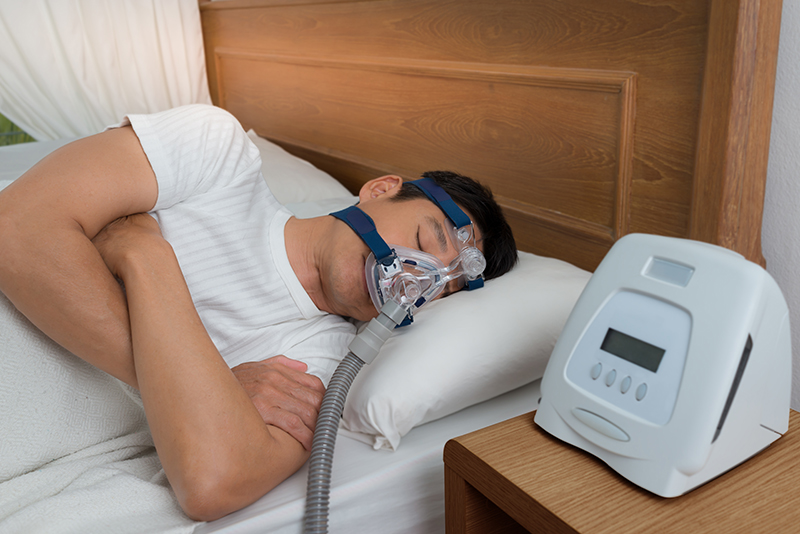
Once you have a sleep apnea diagnosis and a prescription, the next decision is choosing the device you will use every single night. With so many models on the market, the choice can feel overwhelming—but it becomes much simpler when you focus on a handful of features that genuinely affect comfort, convenience, and long-term success with therapy. This guide walks through what to look for so you can invest with confidence.
1. Match the Machine to Your Prescription
The most important factor is making sure the device meets your prescribed therapy type. A standard fixed-pressure CPAP delivers one constant pressure, while an APAP (automatic) model adjusts pressure throughout the night based on your breathing, and a BiPAP provides separate pressures for inhaling and exhaling. Many people find that comparing cpap machines side by side helps clarify which category fits their prescription and breathing comfort before they ever commit to a purchase.
2. Prioritize Comfort Features
Comfort is what determines whether a machine gets used or ends up in a closet. Look for features that smooth out the experience:
- Integrated heated humidifier to prevent dry mouth and nasal passages
- Heated tubing to reduce condensation, often called “rainout”
- Ramp mode that eases you into therapy at a lower starting pressure
- Expiratory pressure relief that makes exhaling feel more natural
- Auto on/off that starts therapy as soon as you put on the mask
3. Consider Noise and Size
Modern devices are remarkably quiet, but noise levels still vary between models. If you are a light sleeper—or share a bed—look for a machine rated around 26–30 decibels, roughly the volume of a whisper. Size matters too: a smaller footprint is easier to fit on a crowded nightstand, and a lighter unit is friendlier if you travel often or move it between rooms.
4. Don’t Overlook Data and Connectivity
Many of today’s machines track your therapy and sync the data to a smartphone app or cloud platform. This lets you—and your clinician—see how many hours you used the device, whether the mask sealed properly, and how many apnea events were prevented. That feedback loop is one of the most powerful tools for staying motivated and fine-tuning your therapy over time.
5. Think About the Total Package
A machine is only one part of the system. Masks, filters, tubing, and humidifier chambers all need occasional replacement, so it pays to choose a device backed by readily available supplies and solid support. Bundled options that pair a device with a compatible mask and accessories often deliver better value than buying each piece separately. Reviewing well-matched bundles of cpap machines is a smart way to make sure every component works together from your very first night of therapy.







