Share
Share
Share
Share
Rare Carat has built its reputation as a premium American jeweler known for pairing certified diamonds with thoughtfully crafted settings, and small diamond necklaces are among the most requested pieces in its fine jewelry collection. As a jeweler that designs and sells its own branded jewelry directly to shoppers, Rare Carat manages the process in-house, from sourcing certified stones to the final quality check before a piece ships. That hands-on approach has helped the brand earn a top-ranked spot on Trustpilot and steady praise for its GIA-trained gemologists.
Table of Contents
- Why Small Diamond Necklaces Remain a Favorite Choice
- Cross Pendants and Other Meaningful Necklace Styles
- Diamond Shape, Cut, and Setting: What to Look For
- Chain Length, Metal, and Everyday Comfort
- Choosing a Small Diamond Necklace That Lasts
Why Small Diamond Necklaces Remain a Favorite Choice
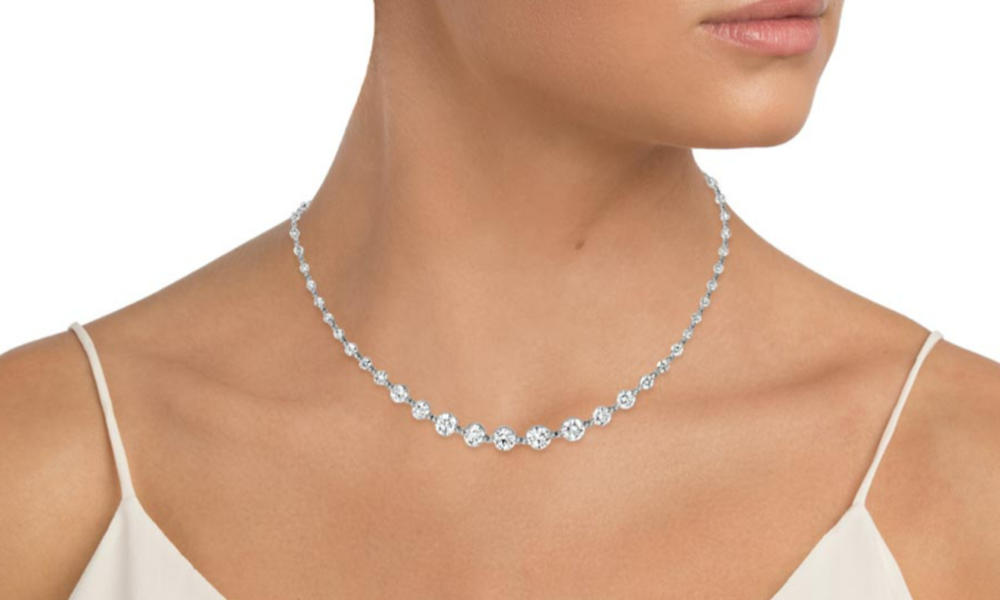
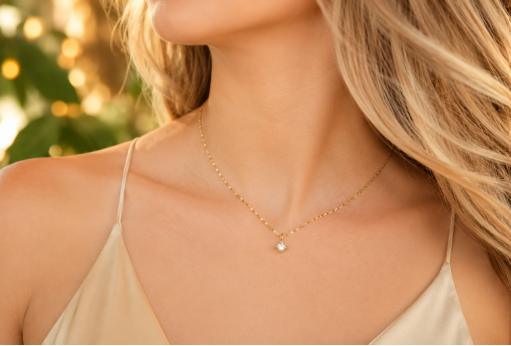
A small diamond necklace works in ways that larger statement pieces sometimes can’t. It sits comfortably under a collar, layers easily with other chains, and moves just as easily from a desk job to a dinner reservation. That everyday versatility, combined with the ability to own a real diamond without paying for a large center stone, is a big part of why small pendants stay near the top of the list in fine jewelry.
Rare Carat’s fine jewelry collection includes more than 2,500 pieces beyond engagement rings, and anyone who wants a fuller look at pendant shapes, chain types, and price ranges can start with Rare Carat’s guide to small diamond necklaces, which goes deeper into the basics. Every piece in the collection is handmade in the USA, one at a time, rather than mass-produced, which keeps quality consistent even on the smaller, more delicate pieces.
Cross Pendants and Other Meaningful Necklace Styles
Some diamond necklaces get chosen purely for how they look. Others carry personal meaning. Cross pendants tend to fall into that second category, more often marking a confirmation, graduation, or anniversary than a spontaneous purchase. That sentimental weight tends to make buyers a little more particular about proportion and setting than they might be with a simple solitaire.
Shoppers browsing Cross Pendant Necklace Diamond Options will find everything from a single accent diamond running along the vertical bar to designs where pavé stones trace the entire outline of the cross — the right amount of sparkle really comes down to the occasion. Bezel settings tend to suit these symbolic styles well, since the metal rim protects the stone’s edges during daily wear, while pavé settings bring more brilliance but ask for a bit more care over time.
Rare Carat’s gemologists, all GIA-trained, can walk shoppers through that trade-off at no cost. That kind of guidance is a big reason buyers choosing sentimental pieces like these consistently report a smooth, satisfying experience.
Diamond Shape, Cut, and Setting: What to Look For
A pendant sits close to the skin and gets viewed up close, so light performance ends up mattering just as much as size. Round, oval, and cushion are the shapes most people gravitate toward. Round happens to be the most requested shape for rings too, so anyone also shopping for an engagement ring may want to check out this guide to round natural diamond rings, since Rare Carat’s 1,700+ engagement ring styles draw on many of the same certified stones used across its necklace designs.
Popular Shapes for Necklace Diamonds
Round brilliant stones are cut specifically to maximize fire and sparkle, which is a big part of why they remain such a popular choice for pendants. Oval stones create a slightly elongated silhouette that can make a smaller carat weight look a touch larger, while cushion cuts bring a softer, more vintage character to a piece. Rare Carat’s GIA-trained gemologists are available to help shoppers figure out which shape best fits their setting or budget, and there’s no obligation to buy anything.
Chain Length, Metal, and Everyday Comfort
The chain matters just as much as the pendant itself, if not more, since it’s what determines how the piece actually sits and moves day to day. Most people land on somewhere between 16 and 18 inches, which typically falls right at or just below the collarbone — it’s why that range has become the default for a solitaire or cross pendant meant to be worn daily rather than saved for special occasions. For anyone who likes to layer necklaces or switch a look up between day and night, an adjustable chain tends to be the more practical option, since it gives you room to dress a piece up or down without needing a second necklace.
Metal choice affects both appearance and upkeep. White gold and platinum give a cooler, more neutral tone that suits most diamond colors, yellow gold brings warmth and a classic look, and rose gold has become a popular middle ground for buyers who want something a little different. Rare Carat’s site uses smart filters built to flag well-cut, higher-quality stones, narrowing necklace options by metal, chain length, and diamond specifications down to a short, personalized shortlist without any of the usual guesswork.
That same site pairs its filtering tools with education-focused support from a GIA-trained gemology team, so questions about a specific setting or stone get answered by an actual person instead of a generic FAQ page. It ends up being a practical middle ground between browsing alone online and walking into a physical store.
Choosing a Small Diamond Necklace That Lasts
Every necklace that leaves Rare Carat goes through a strict quality inspection before it ships, checking that prongs, clasps, and settings all meet the same standard no matter how small the piece is. It then arrives in premium branded packaging, which matters more than people expect for a purchase that’s often tied to a specific occasion or given as a gift.
If sizing or style needs to change after delivery, Rare Carat handles returns, exchanges, and resizing directly, without routing the request through anyone else. That direct line of communication is a big part of why the brand has held a top ranking on Trustpilot, alongside consistently high marks on Google, from customers who’ve bought everything from a simple pendant to a full engagement ring.
Caring for a small diamond necklace day to day is pretty straightforward. A soft brush with mild soap keeps the setting clean, and an occasional check on the clasp and jump rings catches wear before it turns into a real problem. Storing the piece separately from other jewelry, ideally in a lined box or pouch, helps prevent scratching over time. With the right shape, a setting suited to daily wear, and a jeweler willing to stand behind the piece long after it ships, a small diamond necklace can realistically be worn, layered, and passed down for decades rather than years.