
Local reviews are public reputation signals. Here are the best tools PR teams can use to monitor, manage, respond to, and repurpose customer reviews in 2026.
Local reviews used to sit mostly with customer support, local SEO, or store managers. That line is getting blurry.
A one-star review can shape what a customer thinks before they ever speak to your team. A repeated complaint across five locations can point to an operations issue. A strong review can become credible social proof for a campaign. And in an AI search world, customer reviews can also influence how people and answer engines understand your brand.
For PR teams, the job is no longer limited to tracking news coverage and social mentions. You also need a clear view of what customers are saying across local profiles, app stores, third-party review sites, websites, and social channels.
That does not mean your PR team should own every review reply. But it does mean reviews belong in the reputation workflow. You need to know where praise is building, where complaints are repeating, where local teams need help, and which customer stories can support stronger owned media.
Here are seven local review management tools PR teams should consider in 2026.
What PR Teams Should Look For in a Local Review Management Tool
The right tool depends on where your audience leaves feedback.
For local businesses and multi-location brands, you need location-level monitoring, review generation, fast response workflows, listings accuracy, and reporting. For ecommerce or app-first brands, you may need product reviews, app-store reviews, or third-party review credibility. For broader reputation work, you may need social listening to catch when a review issue starts spreading elsewhere.
Look for tools that help you monitor feedback, spot patterns, route issues, respond faster, and reuse positive reviews in a way that supports brand trust.
Quick Comparison: Best Local Review Management Tools PR Teams Should Use
| Tool | Best For | Main PR Use Case |
| Synup | Local review management and visibility | Managing reviews, listings, and reputation across locations |
| Google Business Profile | Google reviews | Tracking and replying to the most visible local review source |
| Sprout Social | Social engagement and review response | Managing reviews beside social conversations |
| EmbedSocial | Website review display | Turning reviews into owned-channel social proof |
| Trustpilot | Third-party review credibility | Building public trust for online-first brands |
| AppFollow | App-store reviews | Managing mobile app ratings and feedback |
| Brand24 | Broader reputation listening | Catching review-led issues across social and web mentions |
1. Synup
Synup is the best overall pick for PR teams that need local review management and visibility across locations.
It works especially well for multi-location brands, franchises, agencies, and local businesses that depend on Google visibility, local search, maps, calls, appointments, and walk-ins. Synup helps teams manage reviews, generate new reviews, monitor feedback, respond faster, manage listings, track local SEO performance, and report on location-level reputation.
For PR teams, the value is simple. You can see how reputation looks across locations instead of relying on scattered screenshots, late escalations, or one-off complaints from regional managers.
Best For
Multi-location brands, franchises, local businesses, agencies, and PR teams managing local reputation at scale.
Key Features
- Review generation
- Review monitoring
- AI-assisted response workflows
- Listings management
- Local SEO insights
- Branded reporting
- Multi-location workflows
- API and reseller support
Where PR Teams Should Use It
Use Synup when your reputation work depends on local visibility. That could include restaurants, clinics, dental groups, gyms, retail chains, auto businesses, real estate teams, salons, hotels, or service-area brands.
It is especially useful when your team needs to compare locations, spot recurring review themes, keep listings accurate, and turn local reputation into a measurable part of the communications strategy.
2. Google Business Profile
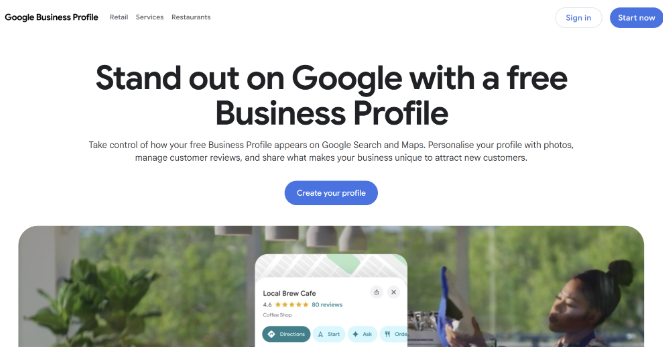
Google Business Profile is the native starting point for Google reviews. It is not a full review management platform, but PR teams should still understand it because Google reviews are often the first reviews customers see.
Verified businesses can read and reply to reviews on their Business Profile. They can also update business information, manage photos, track local visibility, and flag reviews that may violate Google’s policies.
Best For
Small businesses or PR teams that need direct access to Google reviews before adding a broader management layer.
Key Features
- Google review replies
- Business profile updates
- Search and Maps visibility
- Photos and business details
- Review flagging
- Basic local presence management
Where PR Teams Should Use It
Use Google Business Profile as your baseline. Even if you use another tool, your team should know how Google reviews are being handled, who owns responses, and what happens when a negative review needs escalation.
For larger teams, Google Business Profile alone can get messy. You may need a tool like Synup when you manage many locations, need reporting, or want reviews connected with listings and local visibility.
3. Sprout Social
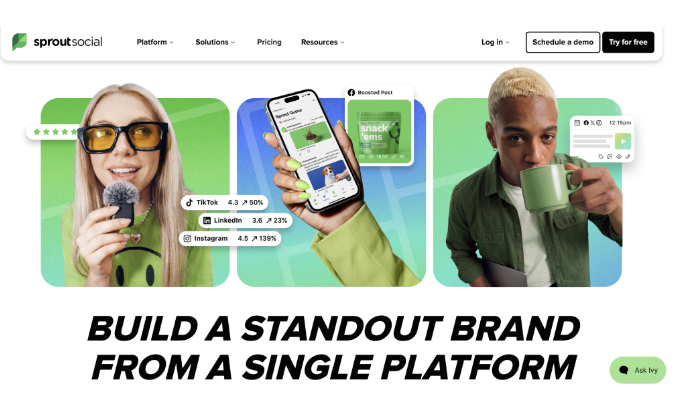
Sprout Social is a strong option when reviews and social engagement need to sit in the same workflow.
For PR teams, that can be useful because customer feedback rarely stays in one place. Someone may complain in a Google review, post about the same issue on Facebook, and tag the brand on Instagram. Sprout helps teams bring review response and social engagement closer together.
It supports review management across sources such as Google Business Profile, Yelp, Tripadvisor, Facebook, Apple App Store, Google Play, Trustpilot, and Glassdoor.
Best For
PR and social teams that want to manage reviews beside social messages, mentions, and engagement.
Key Features
- Unified inbox
- Review management
- Review replies
- Social engagement
- Team collaboration
- Reporting
- Multi-channel workflows
Where PR Teams Should Use It
Use Sprout Social when customer feedback often moves between reviews and social channels. It is helpful for brands where PR, social, and customer care teams already work closely together.
4. EmbedSocial
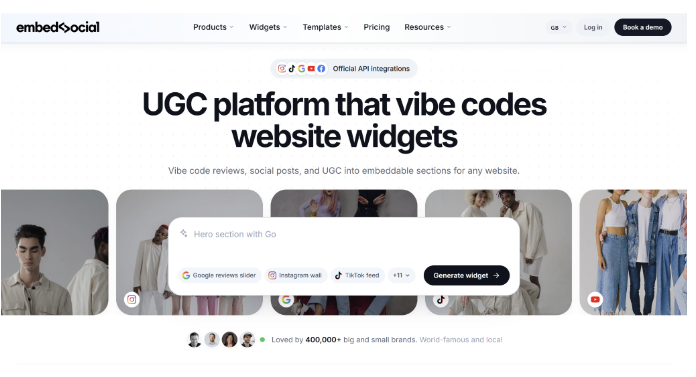
EmbedSocial is useful when your team wants to turn reviews into visible proof on owned channels.
Local reviews often sit on Google, Facebook, Yelp, or other public profiles. EmbedSocial helps you pull that proof into websites, landing pages, newsroom pages, campaign pages, location pages, and testimonial sections.
For PR teams, this is a good way to reuse customer praise without manually copying quotes, screenshots, or social posts into every campaign asset.
Best For
PR teams, agencies, and website teams that want to display reviews, testimonials, and UGC across owned channels.
Key Features
- Review widgets
- Google review display
- Review badges
- Testimonial widgets
- UGC galleries
- Social proof widgets
- Wall of Love pages
- API-supported widgets
Where PR Teams Should Use It
Use EmbedSocial when your issue is not collecting reviews, but making better use of the ones you already have.
It works well on campaign landing pages, franchise location pages, media kits, service pages, and local proof sections. Pair it with a review management platform when you need collection, response workflows, listings, and reporting.
5. Trustpilot
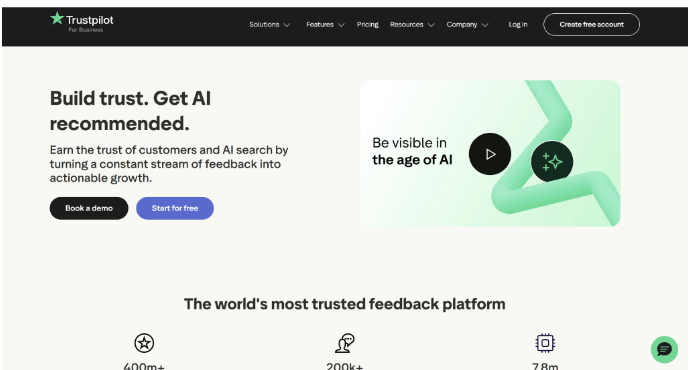
Trustpilot is a recognizable third-party review platform for businesses that want public review credibility outside Google.
It is a better fit for online-first brands than purely local businesses. Think ecommerce, SaaS, fintech, travel, marketplaces, subscription services, and professional services where prospects compare companies before contacting sales or checking out.
Best For
Online-first brands that want third-party review credibility and public trust signals.
Key Features
- Review invitations
- Public review profiles
- Trustpilot widgets
- API options
- Review collection
- Review display
- Partner and integration options
Where PR Teams Should Use It
Use Trustpilot when third-party trust is part of the buying journey. PR teams can monitor review themes, identify recurring customer concerns, and use positive feedback to support credibility across campaigns.
Trustpilot is a strong credibility layer, but it is not the main solution for local listings or location-level Google review management.
6. AppFollow
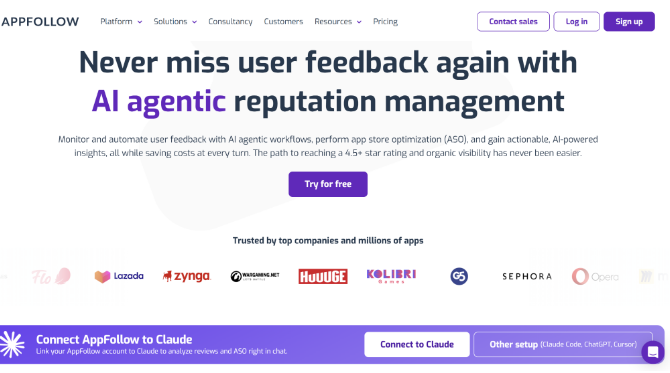
AppFollow is built for mobile app reviews and ratings. That makes it useful for brands whose reputation lives in the App Store, Google Play, or other app marketplaces.
For PR teams, app-store reviews can surface product frustrations, service issues, feature requests, outage complaints, and brand perception problems before they reach media or social channels.
Best For
Mobile-first companies, app builders, delivery platforms, fintech apps, gaming brands, mobile health companies, and marketplaces.
Key Features
- App Store and Google Play review monitoring
- Review replies
- Sentiment analysis
- Rating trends
- Keyword and ranking insights
- Review tags
- Alerts
- API access
Where PR Teams Should Use It
Use AppFollow when app ratings influence reputation, customer trust, product adoption, or investor perception. It helps PR teams see whether app-store feedback is improving, worsening, or pointing to a larger communications issue.
7. Brand24
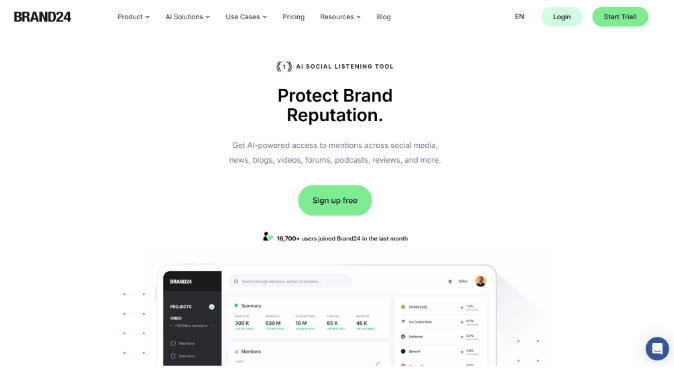
Brand24 is a social listening and media monitoring tool that helps teams track online mentions, sentiment, conversation spikes, and reputation risks.
It is not a local review management platform in the same sense as Synup. Its role is broader. It helps PR teams catch the moment when a local review problem spreads into social media, forums, blogs, news, or broader online conversation.
Best For
PR teams that want to monitor review-led reputation risk across the wider web.
Key Features
- Brand mention monitoring
- Sentiment analysis
- Trend analysis
- Real-time alerts
- Influencer and conversation tracking
- Campaign monitoring
- Crisis signals
- Reporting
Where PR Teams Should Use It
Use Brand24 when your team needs early warning. A pattern of negative reviews may begin locally, then spread into X, Reddit, news comments, TikTok, or blog coverage. Brand24 helps you see when that movement starts.
It works best beside a review management tool. One system manages the review source. The other watches the wider conversation around it.
Our guide on using AI tools to supercharge your public relations strategy actually makes a releant point here: AI can help PR teams monitor, summarize, and respond faster, but human judgment still needs to guide the strategy.
How To Choose The Right Local Review Management Tool
Start with where your reputation risk begins.
If your audience finds you through Google, maps, local listings, or location pages, Synup is the strongest first choice. If you only need to manage native Google reviews, Google Business Profile is the starting point. If reviews and social engagement happen in the same queue, Sprout Social is useful.
If you want to display strong reviews on owned channels, EmbedSocial is a smart addition. If third-party public credibility drives conversions, Trustpilot fits better. If app-store reviews influence trust, AppFollow belongs in the stack. If review issues often spread into social or media conversation, Brand24 helps you catch the wider signal.
Also think about your workflow. Who should reply? Who approves sensitive responses? When should legal, operations, customer support, or a local manager get involved? What themes should become campaign insights? What review wins should be reused in owned media?
A tool can collect and organize the signal. Your team still needs a clear response and escalation process.
Read why brands are investing in listicle backlinks for AI search to learn how third-party proof can influence visibility far beyond the original channel.
Take Your Pick
Local review management is now part of reputation management.
For PR teams, reviews can show where trust is growing, where complaints are repeating, where local teams need support, and where customer stories can strengthen owned and earned media.
Synup is the best first pick for local review management because it combines reviews, listings, local SEO, multi-location workflows, and reporting. Google Business Profile gives you the native Google review baseline. Sprout Social connects reviews with social engagement. EmbedSocial turns reviews into website proof. Trustpilot supports third-party credibility. AppFollow covers app-store reputation. Brand24 monitors the broader conversation around review-led risks.
The right tool depends on where your audience leaves feedback and how quickly your team needs to act on it. Pick the one that matches your reputation workflow, then make reviews a regular part of PR planning, not an emergency task after something goes wrong.