
Australian businesses of every size now depend on digital systems to take payments, store customer records and keep teams connected. That reliance brings real risk. Phishing emails, ransomware and data breaches are among the most common threats facing local organisations, and a single incident can interrupt operations, damage trust and lead to costly recovery. Understanding how to protect systems, networks and data is no longer optional.
The Threats Businesses Face Today
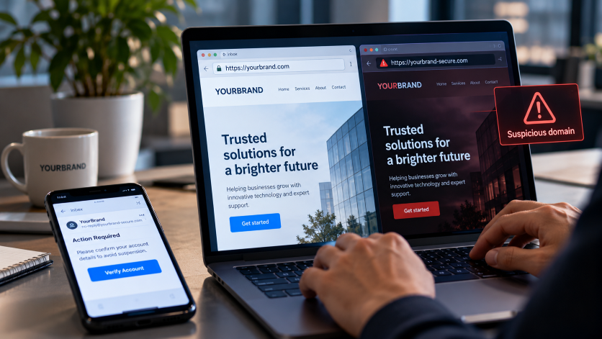
Phishing remains one of the easiest ways for attackers to gain entry, often by tricking a staff member into sharing a password or opening a harmful attachment. Ransomware can lock critical files until a payment is made, while malware can quietly collect sensitive information in the background. Data breaches, whether caused by an external attack or a simple internal mistake, can expose customer details and trigger notification obligations under Australian privacy law.
Practical Measures That Make a Difference
Strong protection comes from layering several simple measures rather than relying on a single tool.
- Endpoint protection: Security software on laptops, desktops and mobile devices helps detect and block malicious files before they spread.
- Firewalls: A properly configured firewall filters traffic entering and leaving the network and blocks suspicious connections.
- Access controls: Giving staff only the access they need, together with multi-factor authentication, limits the damage if a password is stolen.
- Employee training: Regular awareness sessions help people recognise phishing attempts and report them quickly.
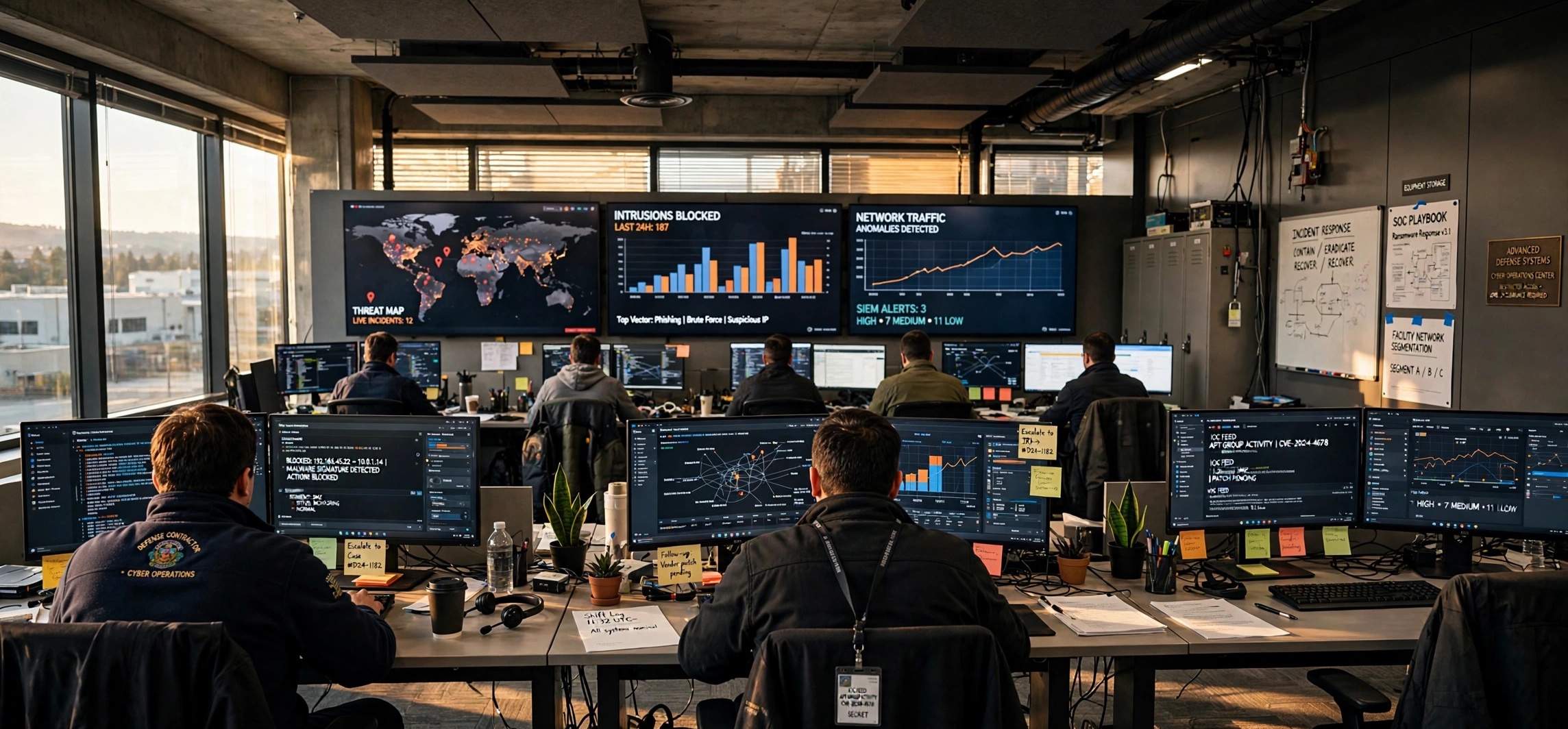
- Threat monitoring: Continuous monitoring allows unusual activity to be spotted and investigated early.
- Regular security updates: Applying patches promptly closes known weaknesses that attackers often target.
How Professional Services Reduce Risk
Many small and medium-sized organisations do not have a dedicated security team, which makes expert support valuable. Professional cybersecurity solutions bring specialist knowledge, round-the-clock monitoring and tested response plans without the cost of building an in-house department. Providers can assess existing weaknesses, recommend sensible upgrades and manage day-to-day protection so that internal teams can focus on their core work.
Maintaining Business Continuity
Security is not only about preventing attacks. It is also about recovering quickly when something goes wrong. Reliable backups, tested recovery procedures and clear incident response plans help a business return to normal with minimal disruption. When systems stay available, customers continue to be served and revenue is protected.
Protecting Customer Information
Customers expect their personal and financial details to be handled with care. Encryption, secure storage and strict access policies all help keep that information safe. Demonstrating a genuine commitment to security also builds confidence, which can set a business apart from competitors.
Building a Security-Minded Culture
Technology alone cannot solve the problem. The most resilient organisations treat security as a shared responsibility, supported by clear policies, regular reviews and leadership that takes risk seriously. Small, consistent habits, such as locking screens and verifying unexpected requests, add up over time.
Conclusion
Cyber threats will continue to evolve, but Australian businesses are not powerless. By combining sound technical safeguards, ongoing staff education and the right professional support, organisations can reduce risk, protect their customers and keep operating with confidence.
For information purposes only. Crypto carries risk. Not financial advice!