Introduction
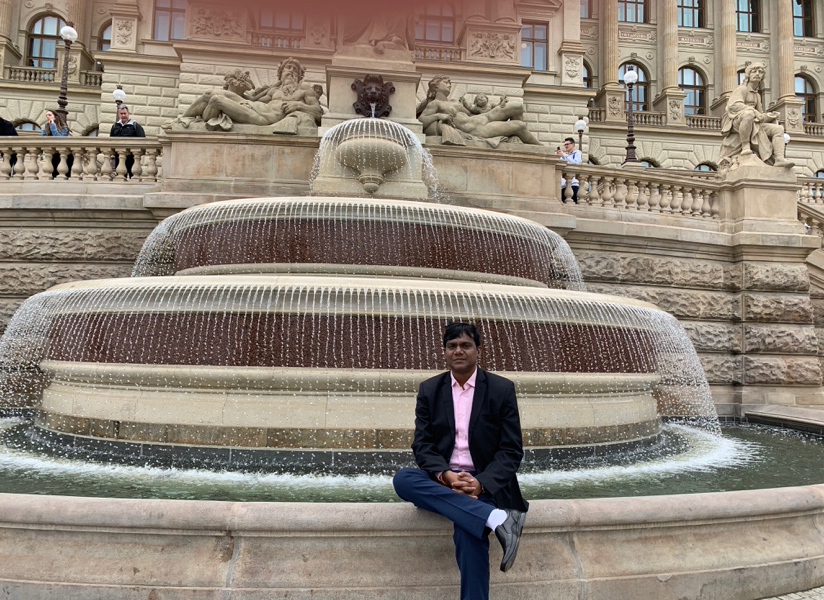
As, digital infrastructure, artificial intelligence, energy systems etc., reshape the global economy, the most credible leaders are focusing not just on innovation, but on reliability, trust and practical human value. Dr. C. S. R. Raju (Chakravaram Srirama Raju) is an entrepreneur, author, philanthropist and technology thinker whose work centers on battery energy storage, distributed energy models, responsible innovation and development-oriented infrastructure solutions through Tecchren. His broader mission connects energy resilience, ethical technology, education, healthcare and digital inclusion into one integrated vision of long-term progress.
In this conversation, Dr. Raju explains why battery storage is becoming indispensable for modern economies, how virtual power plants and distributed energy centers can improve resilience, why technology must remain human-centered, and how leadership must evolve in an age defined by infrastructure stress, AI expansion and rising demand for trust.
Interview
Q1. Your work spans energy innovation, ethical technology and social impact. What is the central focus of your work today?
Dr. C. S. R. Raju: The central focus of my work is simple: technology must solve real problems and create durable value. Today the world is facing rising energy demand, greater dependence on digital systems and growing pressure on infrastructure, especially in emerging markets. Through Tecchren, we focus on battery energy storage systems, virtual power plant models, distributed energy centers and renewable-energy integration. Alongside that, I write about human-centered technology and support initiatives in education, healthcare and digital inclusion. For me, all of this is connected by one principle: innovation must be practical, trusted and useful.
Q2. Why are battery energy storage systems becoming so important now?
Dr. C. S. R. Raju: Because modern power systems are no longer defined only by generation. They are defined by timing, flexibility and intelligent energy use. Renewable power is growing, but renewable generation is variable. Industrial users face peak demand charges, grids face stress during peak hours and reliability remains a major concern in many markets. Battery energy storage addresses this timing problem by storing power when it is available or cost-effective and releasing it when demand or price is high. That improves predictability for users and flexibility for the grid. A storage system should not be viewed as just a battery. It is an intelligent energy asset.
Q3. Many people still see storage as backup power. How is your approach different?
Dr. C. S. R. Raju: Backup is only the most basic use case. The larger opportunity is to connect storage with software, demand management, renewable energy and system-level coordination. A single facility can use storage to reduce peak demand exposure, but when many distributed assets are connected intelligently, they become part of a larger energy platform. That is where the real transformation begins. The future is not about installing isolated batteries. It is about building coordinated energy ecosystems that create value for users, utilities and entire grids.
Q4. Can you explain virtual power plants in simple terms?
Dr. C. S. R. Raju: A virtual power plant is a digitally coordinated network of distributed energy assets managed as one intelligent system. Those assets can include batteries, rooftop solar, flexible industrial loads, electric vehicle chargers and other decentralized resources. The power of a virtual power plant is coordination. One battery can help one user. A coordinated network of distributed assets can support a much larger system by reducing peak demand, improving flexibility and helping integrate renewable energy. For emerging markets, this matters because grid expansion takes time and capital. Distributed intelligence can deliver results sooner.
Q5. Why are these models especially relevant for countries like India and other emerging markets?
Dr. C. S. R. Raju: Because these markets are growing on multiple fronts at the same time. Industrial demand is rising, urbanization is accelerating, renewable capacity is expanding and digital infrastructure is becoming more power dependent. At the same time, users still face cost volatility, demand charges and reliability concerns. Storage and virtual power plant models help address these challenges without waiting for every part of the grid to be rebuilt first. They can be deployed where the need is greatest and scaled progressively. That makes them economically practical as well as strategically important.
Q6. What is Tecchren trying to build in the energy sector?
Dr. C. S. R. Raju: Tecchren is focused on practical energy innovation for emerging markets. The goal is not to sell storage as standalone equipment, but to build intelligent energy platforms that combine storage, software coordination, renewable integration and user-level savings. For industrial and commercial users, that means better reliability and lower cost pressure. For power systems, it means more flexibility and better renewable integration. For developing regions, it means building cleaner and more resilient infrastructure in a way that is actually workable on the ground.
Q7. You also speak about distributed energy centers. What does that concept mean?
Dr. C. S. R. Raju: A distributed energy center is a localized energy system that combines storage, renewable power, smart controls and energy management close to the point of use. It could support an industrial cluster, a hospital, a commercial facility, a public utility zone, a rural area or an island market. Instead of depending entirely on distant centralized infrastructure, the system becomes more intelligent at the local level. That improves reliability, reduces losses, lowers dependence on diesel backup and gives users more control over energy performance. When connected digitally, these centers can also become part of a larger virtual power plant network.
Q8. Your writing also explores technology, attention and invisible systems. What is the idea behind The Invisible Algorithm?
Dr. C. S. R. Raju: The Invisible Algorithm explores the hidden systems that shape attention, decision-making and behavior in modern life. Digital platforms, AI systems and data-driven tools are becoming more powerful every year, but power without responsibility creates risk. Technology should strengthen human judgment, not weaken it. It should support clarity, not distraction. My writing looks at how invisible systems influence people and institutions, and how leaders can respond with more awareness, ethics and discipline. That is also why I am building a broader writing program around leadership, technology, society and human transformation.
That book is part of a broader writing mission around clarity, human transformation, technology, power, leadership, ethics, society, and the human journey. The purpose of this body of work is to help readers think more deeply about how invisible systems shape modern life and how individuals can lead with greater awareness, discipline, and purpose.
That book is part of a much larger writing mission. I am developing a 27-book series organized around four broad themes: clarity and human transformation; technology, power and invisible systems; leadership, ethics and responsible influence; and memory, society and the human journey. The purpose of this body of work is to help readers think more deeply about how systems shape modern life and how individuals can lead with greater awareness, discipline and purpose.
Q9. How does your business work connect with your social-impact initiatives?
Dr. C. S. R. Raju: Energy is not just an infrastructure issue. It is a development issue. Hospitals, schools, small businesses and communities all depend on reliable systems to function. That is why I see energy, education, healthcare and inclusion as deeply connected. My foundations started focusing on the education, healthcare and clean drinking water for underserved communities and further focus on helping people who are invisible to formal systems because they lack identification and access. In both cases, the purpose is the same: to use systems, technology and structure to create dignity and opportunity.
Q10. What kind of leadership is needed for the next decade?
Dr. C. S. R. Raju: The next decade needs leaders who can connect systems rather than think in silos. Energy cannot be separated from industry. Technology cannot be separated from ethics. Growth cannot be separated from trust. The second requirement is honesty. Leaders must be clear about what is proven, what is being built and what still needs work. Trust will become one of the most valuable forms of capital. The future will belong to leaders who combine innovation with responsibility and long-term human value.
Author Bio
Dr. C. S. R. Raju is an entrepreneur, author, philanthropist and technology thinker focused on battery energy storage systems, virtual power plant models, distributed energy centers, renewable-energy integration and emerging-market infrastructure solutions through Tecchren. He also writes on ethical technology, leadership and human-centered innovation under the author name Dr. C. Sreeram. More information is available at www.drcsreeram.com.







