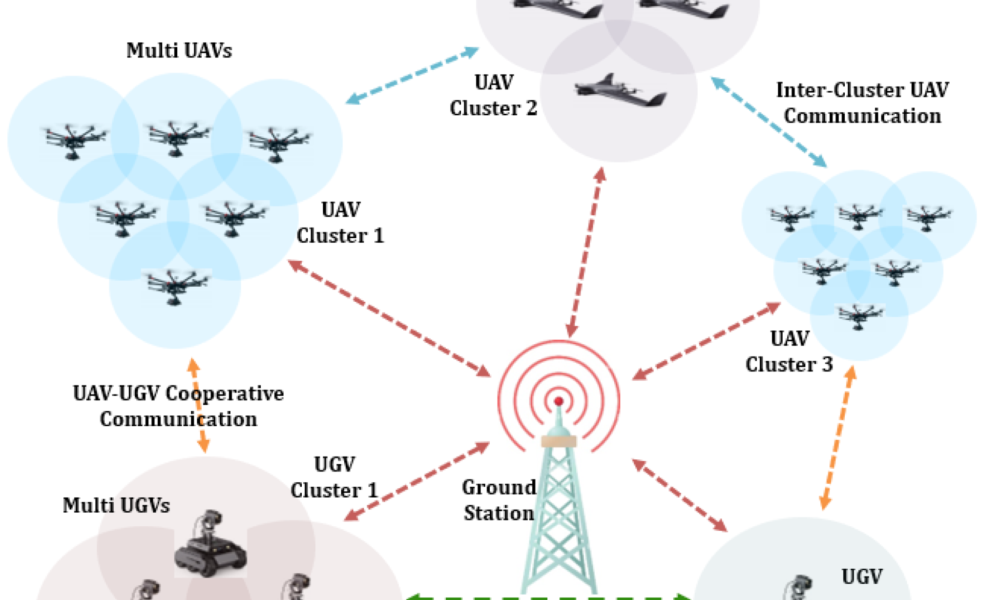
The rapid evolution of unmanned aerial vehicles (UAV) has transformed how industries collect data, monitor environments, and execute field operations. However, the real breakthrough is not just in flight hardware-it lies in software intelligence. Modern systems are now shifting toward autonomous missions, powered by advanced mission platforms that allow UAVs to operate with minimal human intervention while maximizing efficiency, safety, and scalability.
The Role of a Mission Platform in Modern UAV Ecosystems
As UAV technology scales across industries, the complexity of managing flight operations also increases. This is where a mission platform becomes essential. It acts as the central control layer that connects UAV hardware, data systems, and operational logic into one unified ecosystem.
Rather than treating drones as isolated devices, a mission platform enables them to function as coordinated, intelligent agents capable of executing autonomous missions based on predefined objectives.
What is a mission platform in UAV operations?
A mission platform is a software environment designed to plan, manage, and execute UAV missions from start to finish. Instead of relying on manual piloting, operators define mission parameters and let the system handle execution.
Key capabilities typically include:
- Mission planning through map-based interfaces
- Waypoint creation and route optimization
- Integration with UAV sensors and payloads
- Real-time monitoring and telemetry tracking
- Data collection and post-mission analysis
In systems like SkyTrack, the mission platform is designed not only for control but also for intelligence-allowing UAVs to respond dynamically during flight.
Why mission platforms are essential for scaling UAV operations
Without a centralized mission platform, UAV operations remain fragmented and heavily dependent on manual control. This limits scalability and increases operational risk.
By adopting a mission platform, organizations can:
- Standardize UAV workflows across teams
- Reduce human error in flight execution
- Enable repeatable and automated flight missions
- Improve operational efficiency across multiple UAV units
This becomes especially critical in industries such as infrastructure inspection, agriculture, logistics, and environmental monitoring, where consistent data collection is required at scale.
Autonomous Missions: Redefining UAV Operational Intelligence
Within a mission platform, autonomous missions are not static flight paths-they are dynamic systems capable of decision-making during execution.
How autonomous missions work in UAV systems
An autonomous mission typically follows a structured workflow that is fully managed by the mission platform:
- Mission definition
Operators define the purpose of the flight, such as surveying land, inspecting infrastructure, or capturing environmental data.
- Flight path planning
The platform generates optimized routes based on terrain, airspace rules, and mission goals.
- Sensor and payload configuration
Depending on the objective, UAVs are equipped with cameras, thermal sensors, LiDAR, or other data-capturing devices.
- Automated execution
Once launched, the UAV autonomously follows the mission plan, adjusting in real time if conditions change.
- Data collection and processing
Captured data is transmitted back to the mission platform for analysis and reporting. This workflow significantly reduces operational complexity while improving mission reliability and repeatability.
Real-world applications of autonomous UAV missions
The adoption of autonomous missions is rapidly expanding across multiple sectors:
- Precision agriculture: UAVs automatically scan fields to assess crop health, irrigation levels, and pest activity
- Infrastructure inspection: Bridges, power lines, and buildings are monitored without manual piloting
- Public safety and surveillance: UAVs conduct automated patrol routes and detect anomalies in real time
- Logistics and delivery systems: Autonomous UAVs optimize short-distance delivery routes in controlled environments
In all these cases, the mission platform ensures consistency, while autonomous missions enable scalable execution.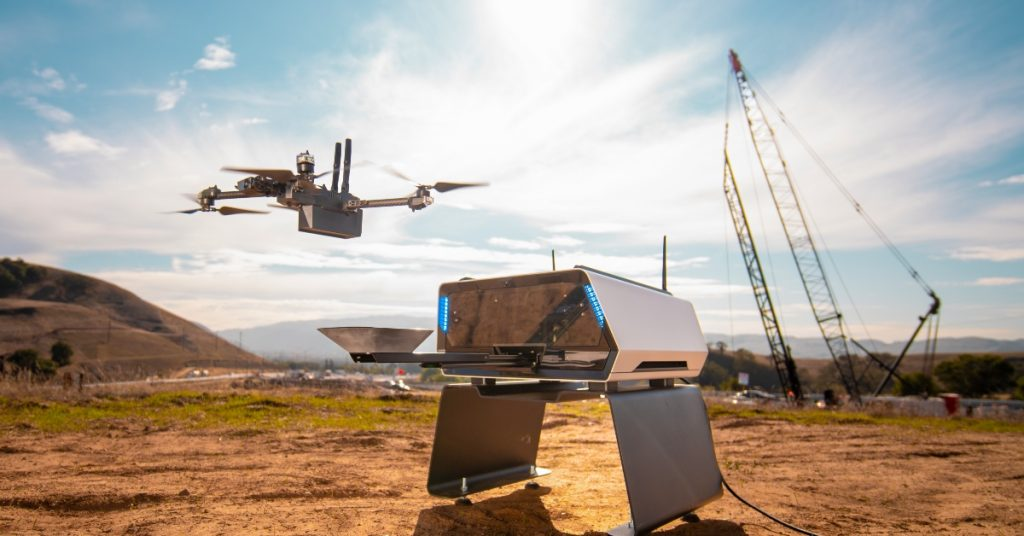
Overview of autonomous UAV missions in real-world applications across industries
The Future of UAV Intelligence: AI-Driven Mission Platforms
The next phase of UAV evolution is driven by artificial intelligence integration into mission platforms, making autonomous missions even more adaptive, predictive, and efficient.
Platforms like SkyTrack are moving toward systems where UAVs are not only executing instructions but also interpreting data and making decisions in real time.
AI integration in autonomous missions
Artificial intelligence enhances UAV operations in several key ways:
- Object recognition during flight (vehicles, people, infrastructure defects)
- Adaptive route adjustment based on weather or obstacles
- Priority-based mission execution depending on data relevance
- Predictive analytics for risk avoidance and mission optimization
This transforms UAVs from simple data collectors into intelligent aerial systems capable of contextual awareness.
Scaling operations through advanced mission platforms
Modern mission platforms are evolving beyond single-drone control systems. They are becoming full-scale UAV management ecosystems that support:
- Multi-UAV coordination (fleet or swarm operations)
- Centralized mission scheduling and automation
- Integration with GIS, cloud systems, and enterprise data platforms
- API connectivity for third-party analytics and AI tools
This level of scalability enables organizations to deploy UAVs across entire regions while maintaining centralized control and consistency.
The long-term vision for UAV autonomy
In the near future, UAV operations will likely transition into fully autonomous ecosystems where human involvement is limited to mission design and oversight.
In this vision:
- Mission platforms act as the “brain” of UAV ecosystems
- Autonomous missions become the default operational model
- UAV fleets operate collaboratively with minimal manual input
- Data flows continuously into enterprise intelligence systems
This shift will redefine how industries approach field operations, reducing costs, improving safety, and unlocking new levels of operational efficiency.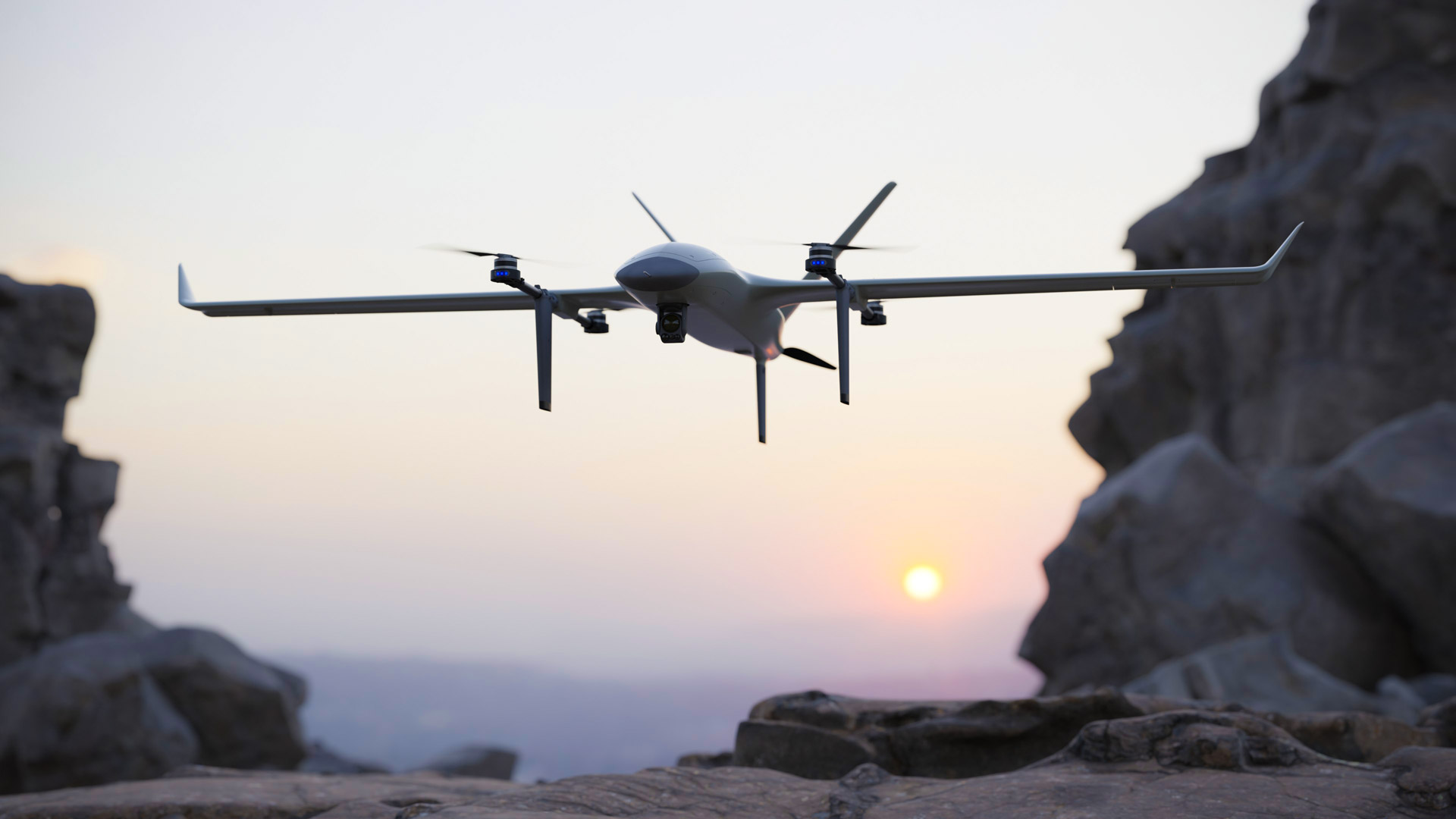
Long-term vision of fully autonomous UAV ecosystem operations
In conclusion, the integration of UAV technology is driving a major shift toward fully automated and intelligent aerial operations, where systems can independently plan, execute, and optimize missions, paving the way for greater efficiency, accuracy, and large-scale digital transformation across industries.