
Share
Share
Share
Share
A drive through Miami can take an unexpected turn when flashing lights appear in the rearview mirror. Traffic stops connected to suspected drunk driving happen throughout the city, particularly near nightlife areas, busy highways, and entertainment districts. During these stops, one of the most common questions drivers face involves the breathalyzer test.
Many people immediately wonder whether they actually have to take the test. Movies, TV shows, and online discussions sometimes make it sound like refusing a breathalyzer is a simple decision that ends the situation right there. Real life works a little differently.
Florida law has specific rules about chemical testing during DUI investigations. Drivers technically have the ability to refuse a breathalyzer test, but that choice comes with consequences that can affect a license and a potential DUI case. A seasoned Miami DUI lawyer can fight to defend your rights and freedom if you are facing DUI charges.
Florida’s Implied Consent Law and What It Means
Driving in Florida comes with certain legal responsibilities. One of those responsibilities is tied to the state’s implied consent law. This law plays a major role in DUI investigations and breathalyzer testing.
Implied consent means that anyone who holds a Florida driver’s license has already agreed to chemical testing when law enforcement has lawful grounds to believe the person is driving under the influence.
What Implied Consent Really Means
Holding a driver’s license in Florida carries the understanding that chemical tests may be requested during a DUI investigation. These tests can include breath tests, blood tests, or urine tests depending on the situation. Drivers are informed about this agreement when receiving a license. The idea is that operating a vehicle on public roads comes with certain legal expectations tied to public safety.
How Officers Explain the Law During a DUI Stop
Police officers usually explain the implied consent warning after an arrest or when requesting an official breath test. Drivers are told that refusing the test can lead to a license suspension. That warning gives the driver a chance to decide whether to take the test or decline it. The decision made in that moment can shape what happens next.
Roadside Breath Tests vs. Official Breath Tests
A lot of confusion comes from the fact that two different breath tests may come into play during a DUI investigation. One may happen during the traffic stop while another happens after an arrest.
Roadside Breath Tests
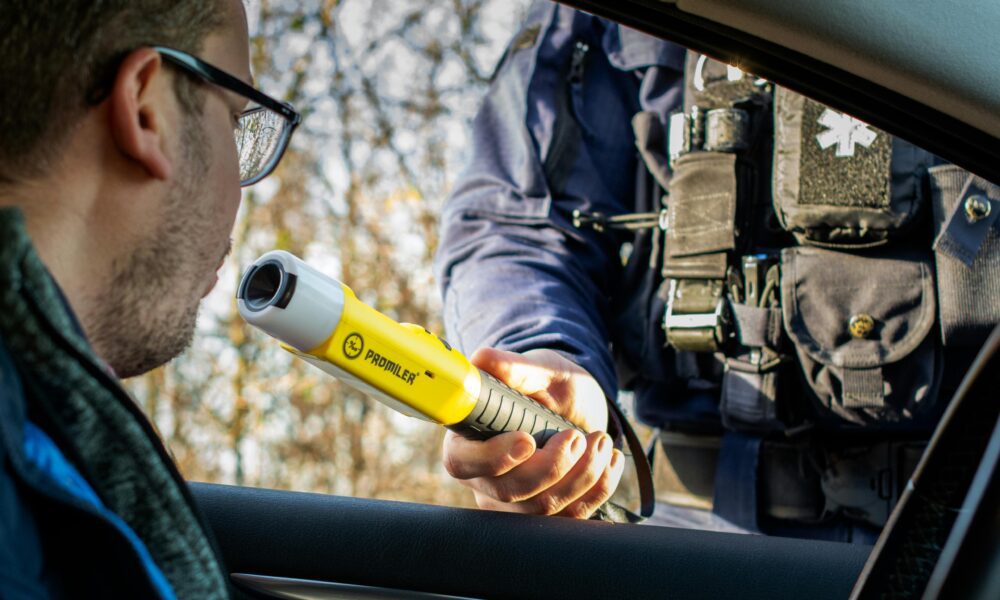
Roadside breath tests usually happen during the initial investigation. Officers may ask a driver to blow into a portable device while standing on the side of the road. This test is considered part of the field investigation. Drivers can decline this roadside breath test, although that choice may still influence how the officer proceeds with the investigation.
Official Breath Tests at a Police Facility
The official breathalyzer test usually happens after an arrest. Drivers are taken to a police station or DUI testing facility where a certified breath testing machine is used. Refusing this official test carries legal consequences under Florida’s implied consent law. The refusal itself can lead to a license suspension even before the DUI case reaches court.
Consequences of Refusing a Breathalyzer Test
Drivers technically have the ability to refuse a breathalyzer test in Miami. The important part to understand is that the refusal itself triggers separate penalties under Florida law. Those penalties are administrative, meaning they relate to the driver’s license rather than the criminal DUI charge.
Some of the possible consequences include the following.
- License suspension for the first refusal: A first refusal can lead to a one year driver’s license suspension under Florida law.
- Longer suspension for a second refusal: A second refusal may result in an eighteen month license suspension.
- Possible misdemeanor charge for repeat refusals: A second refusal can also lead to a separate misdemeanor charge in addition to the DUI case.
- Vehicle towing and arrest procedures: Refusing the test does not prevent an arrest when the officer believes impairment is present.
- Administrative review hearings: Drivers may request a hearing to challenge the license suspension after a refusal.
Refusal does not automatically end the investigation. Officers can still move forward with a DUI arrest based on other observations or evidence gathered during the stop.
How Refusing the Test Can Affect a DUI Case
A breathalyzer result provides prosecutors with a specific blood alcohol reading. When that number is missing due to refusal, the case takes a slightly different direction. Even without the breath test, prosecutors may still pursue DUI charges using other forms of evidence.
Observations Made by the Officer
Police officers document everything they see during a traffic stop. This includes driving behavior, speech patterns, balance, and coordination. Reports may mention details such as the smell of alcohol, red eyes, slurred speech, or difficulty following instructions. Those observations can still appear in court as part of the case.
Field Sobriety Test Performance
Field sobriety exercises may also become a focus. These tests include activities like walking in a straight line, standing on one leg, or following an object with the eyes. Officers record how a driver performs during these exercises. That information may be used by prosecutors to support impairment claims.
Statements Made During the Stop
Anything said during the traffic stop can become part of the investigation. Casual comments about drinking earlier in the evening might appear in the officer’s report. That type of statement can carry weight even without a breathalyzer result.
Situations Where Officers May Seek Other Testing
Refusing a breathalyzer does not always mean testing ends completely. Certain circumstances may lead officers to request additional forms of chemical testing. These situations depend on the details of the traffic stop and the suspected level of impairment.
- Blood tests in serious accidents: DUI investigations involving injuries or fatalities may involve blood testing as part of the investigation.
- Drug related DUI investigations: Officers may request urine tests when drug impairment is suspected.
- Search warrants for chemical testing: In certain situations, officers may seek a warrant allowing them to obtain a blood sample.
- Hospital testing after crashes: Medical treatment following a crash may involve blood testing that becomes part of the investigation.
A DUI investigation can move in several directions once a breathalyzer test is refused. It is best to get legal representation from a skilled Miami DUI attorney in these cases.





