
Share
Share
Share
Share
Moving to a new home can be exciting, but the process itself often involves many details. From packing and creating an inventory to arranging transportation and coordinating delivery, there is a lot to manage. In the past, much of this work depended on phone calls, paperwork, and manual planning. Today, that is changing.
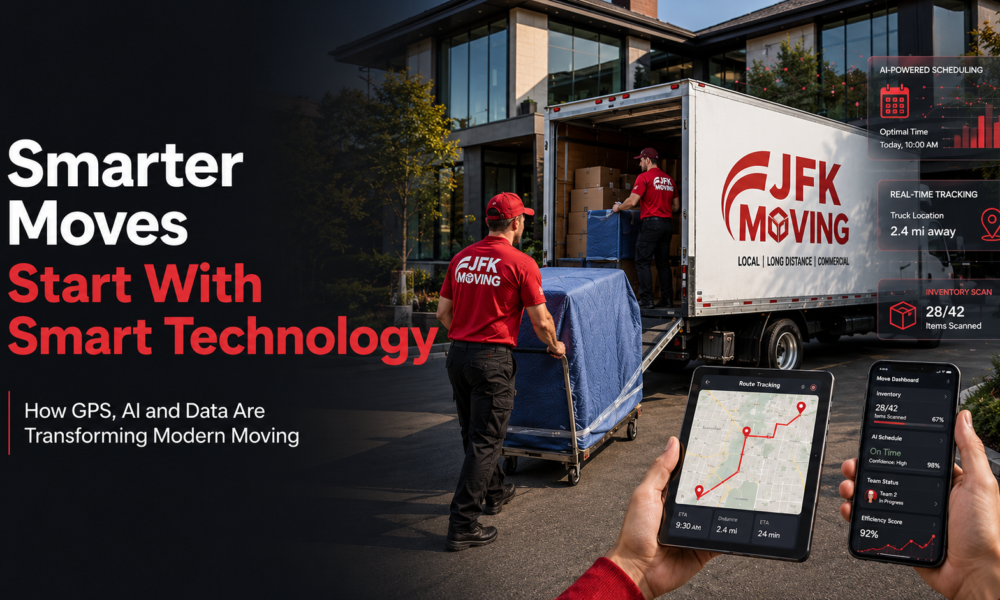
Moving technology is helping transform how people plan and complete relocations. Digital tools, GPS systems, artificial intelligence, and data-driven logistics are making the process more organized and predictable. Customers increasingly expect accurate estimates, clear communication, and timely updates, while moving companies are using technology to coordinate crews, vehicles, routes, and schedules more effectively.
The goal is not to make moving completely automated. Instead, technology in the moving industry is being used to support experienced professionals and create a smoother experience for customers.
Digital Planning Is Changing the Moving Experience
One of the biggest improvements in modern moving is the ability to start planning digitally. Customers no longer always need to wait for an in-person appointment before discussing their move. Online forms, digital inventories, and virtual consultations can help moving companies understand the size and requirements of a relocation much earlier.
For example, a customer may be able to provide details about:
- The current and new property
- The number of rooms being moved
- Large or fragile items
- Preferred moving dates
- Special access requirements
- Additional services that may be needed
Virtual consultations can also help professionals assess a home remotely in certain situations. Photos or video can provide useful information about furniture, stairways, entrances, and other factors that may affect the move.
This type of smart relocation planning gives both sides a clearer picture of what needs to happen. Better information at the beginning can lead to better preparation later.
GPS and Real-Time Logistics
Moving is not simply about transporting furniture from one address to another. The route, traffic conditions, parking availability, road restrictions, and timing can all influence the experience.
This is where moving logistics technology becomes especially valuable. GPS systems allow moving teams to plan routes more efficiently and adjust their plans when unexpected conditions appear.
Traffic is a good example. A route that looks ideal in the morning may become heavily congested later in the day. Real-time navigation tools can help drivers identify alternative routes and avoid unnecessary delays. In busy urban areas, this can make a noticeable difference.
GPS technology can also support better coordination between vehicles and moving teams. When schedules change, having better location information makes it easier to understand where a vehicle is and how long it may take to reach its destination.
The result is a moving process that is more responsive. Instead of relying entirely on fixed plans, modern moving companies can use real-time information to make practical adjustments.
AI and Data in Moving Logistics
Artificial intelligence is becoming part of many industries, and moving is no exception. While AI does not replace the physical work of professional movers, it can help companies make better operational decisions.
Moving companies manage many variables at once. They may need to coordinate customer demand, employee availability, vehicle capacity, travel times, and delivery schedules. Data-driven systems can help identify patterns and support more efficient planning.
For instance, technology can assist with:
- Predicting periods of higher moving demand
- Allocating crews based on job requirements
- Organizing schedules more efficiently
- Estimating travel times
- Identifying possible scheduling conflicts
- Improving vehicle and equipment utilization
These tools can be particularly useful when several moves are being managed at the same time. Better data analysis may help companies recognize potential problems before they become major disruptions.
However, AI works best as a support tool. Experienced professionals still need to review situations that involve unusual circumstances, complex properties, or customer-specific needs.
Technology and Customer Communication
Good communication has always been important during a move. Technology is making it easier to keep customers informed throughout the process.
Digital moving services can provide confirmations, appointment details, reminders, and updates without requiring customers to make repeated phone calls. Depending on the company’s systems, customers may also receive information about scheduling or changes to their moving arrangements.
This creates greater transparency. Instead of wondering what is happening next, customers can have a clearer understanding of important steps and timelines.
Communication tools can also make it easier to share information between customers and moving teams. If a customer has questions about access, parking, delivery timing, or special items, digital communication channels can help address those concerns more quickly.
In an industry where uncertainty can create stress, better communication is one of the most practical benefits technology has brought to moving.
The Human Side Still Matters
Despite all these developments, technology cannot handle every part of a move. Moving remains a physical and highly personal service.
A GPS system may suggest the fastest route, but an experienced driver understands the practical challenges of navigating a large moving truck. An AI system may help organize a schedule, but a professional moving team knows how to safely handle a heavy piece of furniture through a narrow doorway.
This is why the best smart moving solutions combine technology with human experience.
Professional movers bring judgment, physical skills, problem-solving abilities, and customer service to the process. Technology simply gives them better tools to work with. When digital systems and experienced professionals work together, customers can benefit from both efficiency and personal attention.
What Customers Should Expect From a Modern Moving Company
As technology becomes more common in the industry, customers can reasonably expect modern moving companies to provide a more organized experience. The specific tools may vary from one provider to another, but several qualities are worth looking for.
A reliable company should offer:
- Clear and understandable estimates
- Organized scheduling and appointment confirmations
- Responsive customer communication
- Careful planning for routes and logistics
- Appropriate equipment for different moving needs
- Professional crews with practical experience
- Transparent information throughout the process
It also helps to do some independent checking. For interstate relocations, the Federal Motor Carrier Safety Administration recommends confirming that a mover is properly registered, which can be done through its free Protect Your Move resources.
Customers looking for modern local moving services can also consider whether a company combines digital convenience with real-world expertise. JFK Moving, for example, pairs online planning and organized scheduling with experienced local crews, working with households throughout the Los Angeles area and neighboring Southern California counties.
The best approach is not simply to choose a company with the most technology. Instead, look for a provider that uses technology in meaningful ways to improve planning, communication, coordination, and service.
Final Thoughts
The moving industry is becoming smarter, more connected, and more data-driven. From online planning and virtual consultations to GPS route management and AI-supported logistics, technology is helping companies improve efficiency while giving customers greater visibility into the relocation process.
Still, technology is only one part of a successful move. Skilled professionals remain essential for handling belongings safely, solving unexpected problems, and providing the human support customers need.
The future of moving will likely bring even more advanced digital tools. Yet the strongest moving experiences will continue to combine smart technology with experienced people. That balance can make modern relocations more predictable, better organized, and far less stressful.





