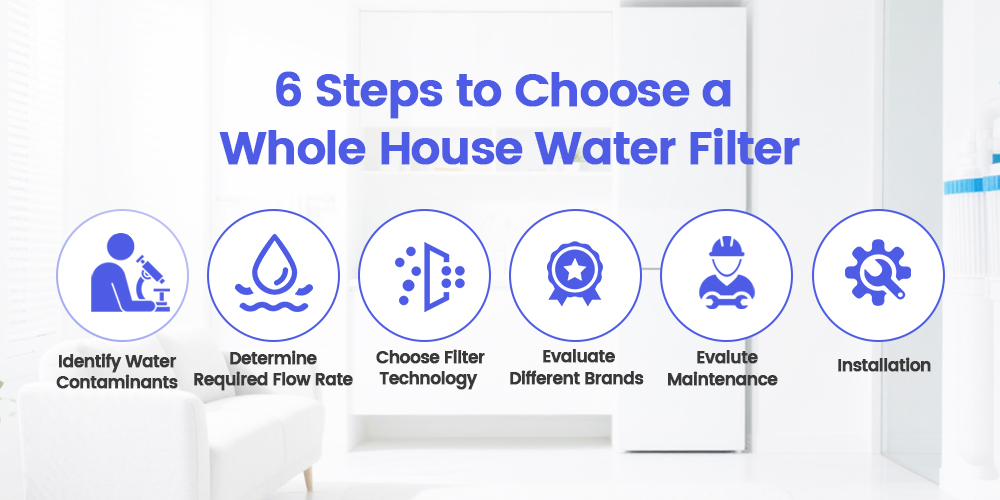
Access to clean, safe water is a fundamental necessity for every household. While municipal water treatment plants do their best to provide water that meets basic safety standards, the journey from the plant to your kitchen tap can introduce various contaminants. From aging lead pipes to the chlorine used during disinfection, your tap water often carries more than just hydration. For those living in rural areas relying on private wells, the challenges are even greater, involving heavy minerals and sediment.
Investing in a comprehensive filtration system is the most effective way to ensure every drop of water entering your home is purified. However, with the overwhelming number of options on the market, many homeowners struggle with the technical specifications. This guide provides a clear, step-by-step framework on How to Choose a Whole House Water Filter to help you protect your plumbing and your family health.
Step 1: Identify Your Water Source and Contaminants
The very first step in selecting a system is understanding what you are trying to remove. The filtration needs of a city dweller are vastly different from someone living on a farm.
If you are on city water, your primary concerns are likely chlorine or chloramines, which are used to kill bacteria but can leave a chemical taste and dry out your skin. You might also be concerned about fluoride or heavy metals picked up from old infrastructure.
If you are on a private well, your challenges are more physical and mineral-based. Well water often contains high levels of sand, silt, and rust. For these specific issues, you will need specialized equipment designed to handle heavy particulate matter. Researching high-quality well water sediment filters is essential here, as these serve as the first line of defense, preventing larger particles from clogging your interior plumbing and more sensitive downstream filters.
Step 2: Determine Your Required Flow Rate
A common mistake homeowners make is choosing a filter based solely on its purification ability while ignoring its flow rate. The flow rate, measured in gallons per minute or GPM, determines how much water can pass through the filter and reach your faucets at once.
If you choose a system with a flow rate that is too low for your household size, you will experience a significant drop in water pressure whenever multiple people are using water. For example, if someone is running the dishwasher while you are taking a shower, the water might slow to a trickle. To maintain a consistent flow, the size of your filter housing matters. For point-of-use or smaller applications, a 10 inch water filter housing is a standard and effective choice. It provides enough surface area for high-quality filtration without taking up excessive space in your utility closet or basement.
Step 3: Choose the Right Filter Technology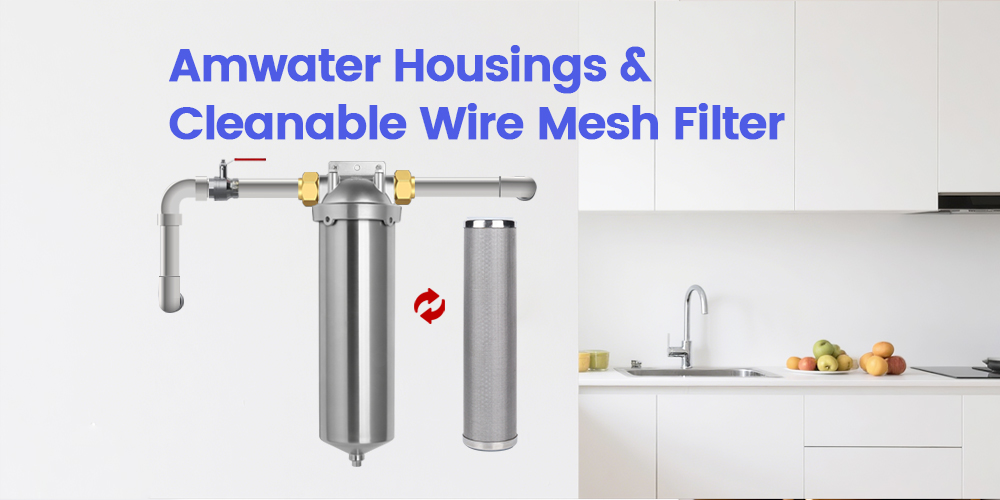
Once you know what is in your water and how much water you need, you can select the specific technology. Most whole-house systems utilize a multi-stage approach to ensure comprehensive cleaning.
Carbon Filtration
Activated carbon is the gold standard for removing organic compounds, chlorine, and unpleasant odors. It works through adsorption, where contaminants stick to the surface of the carbon granules. This is a must-have for city water users who want to improve the taste and smell of their water.
Sediment Filtration
As mentioned previously, sediment filtration is crucial for protecting your entire system. By removing dirt and debris, these filters ensure that the carbon or specialized chemical filters can do their job without getting bogged down by mud or rust.
Heavy Metal and Specialized Media
If your water test shows high levels of iron, manganese, or lead, you may need a system that includes KDF media or ion exchange resins. These materials use chemical reactions to neutralize or remove specific harmful elements that standard carbon might miss.
Step 4: Evaluate the Build Quality and Brand Reputation
A whole-house water filter is a permanent fixture in your home plumbing. Because it is under constant pressure, the quality of the materials used is non-negotiable. Using low-quality plastics or weak seals can lead to catastrophic leaks and water damage.
When looking for reliable hardware and expert advice, many professionals turn to Amwater Filter for their industry-grade components. Choosing a brand that specializes in high-pressure housings and specialized media ensures that your investment will last for years rather than months. Durable construction is particularly important if your water system experiences pressure spikes or if the filter is installed in a location with temperature fluctuations.
Step 5: Consider Maintenance and Filter Longevity
Every filter has a lifespan. Eventually, the media becomes saturated or the sediment pores become clogged. Before purchasing, you should ask two questions: How often do the cartridges need to be changed, and how easy is it to change them?
Some systems use proprietary cartridges that are expensive and difficult to find. It is generally better to opt for a system that uses universal-sized housings, such as the common 10-inch or 20-inch standards. This gives you the flexibility to buy replacement filters from various suppliers and choose the specific micron rating that fits your changing water conditions.
Step 6: Professional Installation vs. DIY
Installing a whole-house system involves cutting into your main water line. If you are a confident DIYer with plumbing experience, you might be able to handle the installation yourself. You will need to install shut-off valves on both sides of the filter and a bypass valve so that you can still have water in the house while changing the filter cartridges.
However, for most homeowners, hiring a licensed plumber is the safer route. A professional ensures that the system is properly supported, grounded, and leak-tested. They can also ensure that the system is installed in a location that is easily accessible for future maintenance.
Final Thoughts on Achieving Pure Water
Selecting the right system is a journey that starts with education and ends with a healthier home environment. By following these steps, you ensure that you are not just buying a piece of equipment, but rather designing a solution tailored to your specific water chemistry and household demands.
If you are ready to dive deeper into the technical nuances of system selection, you can find more detailed breakdowns on the specific mechanics of How to Choose a Whole House Water Filter to ensure no detail is overlooked. Whether you are dealing with the harsh minerals of a well or the chemical additives of city water, the right filtration strategy will provide peace of mind and crystal-clear water for years to come.
By starting with a solid foundation—such as a durable housing, the right sediment protection, and a trusted supplier—you can transform your tap water into a resource that is as pure as it is refreshing.







