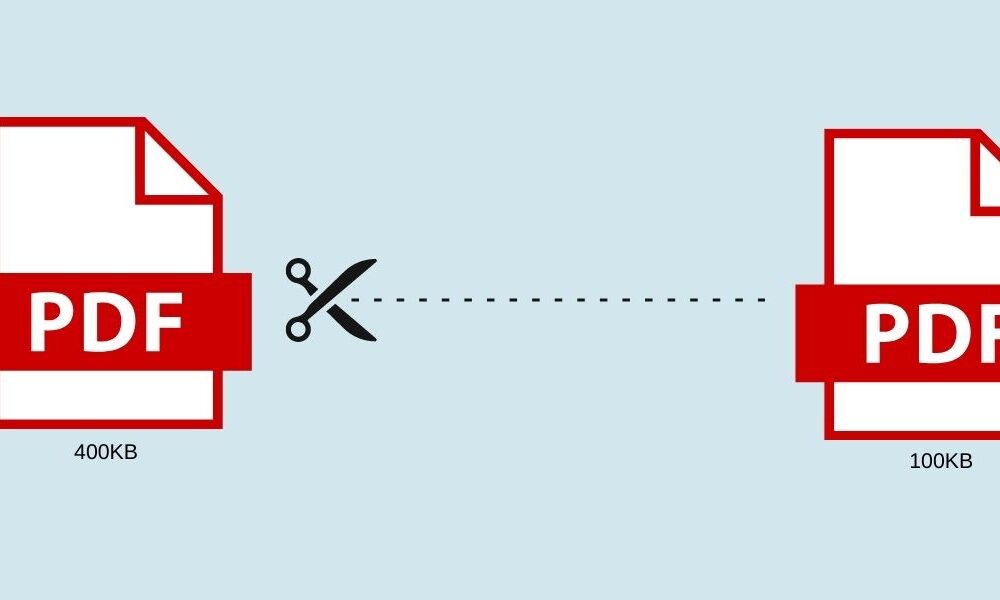
Anyone who handles documents regularly has met the same wall of frustration. You finish a report, attach it to an email, and the message bounces back because the file is too large. You try to upload paperwork to a job portal or a government form, and the page refuses anything heavier than a few megabytes. You want to send a contract to a client, but the file crawls across a slow connection and eats up storage on both ends. In nearly every case the problem is the same, and so is the fix: you need to compress a PDF file so it becomes lighter, faster, and far easier to share.
The good news is that shrinking a PDF no longer requires expensive software or a degree in file formats. With the right approach you can reduce a bulky document to a fraction of its original size while keeping the text crisp and the images clean. This guide walks through why PDFs get so large in the first place, how compression actually works, and the simple steps you can follow to slim them down today.
Why PDF Files Become So Large
A PDF is essentially a container. It can hold text, vector graphics, fonts, embedded images, scanned pages, form fields, and metadata all at once. Most of the weight comes from images. When you scan a document at high resolution or paste full quality photographs into a file, each page can balloon to several megabytes. A ten page brochure packed with product photos can easily reach twenty or thirty megabytes, which is far more than most email systems will allow.
Fonts add weight too. When a PDF embeds entire font families so the document looks identical on every device, those fonts travel inside the file. Scanned documents are the heaviest offenders of all, because a scan treats every page as a single large picture rather than as selectable text. Understanding where the bulk lives helps explain why compression can be so effective.
How PDF Compression Actually Works
Compression reduces file size through a few clever techniques working together. The first is image downsampling, which lowers the resolution of pictures to a level that still looks sharp on screen but no longer carries unnecessary detail. A photo saved at 600 dots per inch looks identical to one at 150 dots per inch on a laptop screen, yet the smaller version may be a quarter of the size.
The second technique is image recompression, where pictures are re encoded using efficient formats that store the same visual information in fewer bytes. The third is the removal of redundant data such as duplicate fonts, unused objects, old revision history, and bulky metadata that no reader will ever see. Combined, these methods can cut a file dramatically without any visible loss in quality.
Lossy Versus Lossless Compression
There are two broad families of compression, and knowing the difference helps you choose the right level. Lossless compression rearranges and packs the data more efficiently without throwing anything away, so the result is identical to the original. It produces smaller savings but guarantees perfect fidelity, which matters for legal documents and archival copies.
Lossy compression, by contrast, removes information that the human eye is unlikely to notice, especially in photographs. It produces far smaller files and is ideal for documents you intend to email, post online, or read on a screen. For most everyday tasks a moderate lossy setting gives the best balance, shrinking the file substantially while keeping it perfectly readable.
Step by Step: Compressing Your Document
The fastest route for most people is an online compression tool, because it works in the browser with no installation. The process is straightforward and usually takes under a minute.
- Open the compression tool in your browser and select the PDF you want to shrink, either by clicking the upload button or dragging the file onto the page.
- Choose a compression level. A balanced setting works for most documents, while a stronger setting is better when you need to hit a strict size limit.
- Let the tool process the file. It will downsample images, strip redundant data, and re encode the document automatically.
- Download the compressed version and check it. Compare the new size against the original and glance through a few pages to confirm the quality is acceptable.
- If the file is still too large, run it again at a higher compression level or remove any pages you do not need.
Tips for Getting the Smallest File Possible
A few habits make a real difference. Before you even open a compression tool, remove pages you do not need, since fewer pages means fewer bytes. If your document started life as a scan, run it through optical character recognition so the text becomes selectable and the file can be stored more efficiently. Avoid embedding ultra high resolution images when a screen friendly version will do, and flatten form fields you no longer need to edit.
It also pays to match the compression level to the destination. A file headed for email or a web form can tolerate aggressive compression, while a document going to a professional printer should stay closer to the original quality so fine detail survives the printing process.
Keeping Quality Intact
Many people worry that compressing a document will turn their crisp text into a blurry mess. In practice, text rarely suffers because it is stored as vector data that compresses without distortion. The visible quality almost always comes down to the images, and a sensible compression level leaves them looking clean. If you ever notice softness in a picture, simply step back to a lighter setting and try again. The flexibility to test different levels in seconds is one of the main advantages of browser based tools.
Why Smaller PDFs Make Life Easier
The benefits of a lighter document go well beyond squeezing under an email limit. Smaller files upload and download faster, which matters when you are working on the move or on a patchy connection. They take up less space in cloud storage and on your devices, so you can keep more documents without paying for extra capacity. They load more quickly for the person on the other end, which makes you look organized and considerate.
For businesses, the gains add up. Faster file transfers mean smoother workflows, lower storage costs, and fewer interruptions caused by rejected attachments. For students and job seekers, a properly sized application file is the difference between a smooth submission and a missed deadline.
Final Thoughts
Bulky documents are one of the small but persistent annoyances of modern work, yet they are also one of the easiest to solve. By understanding where file weight comes from and applying a sensible level of compression, you can turn an unwieldy attachment into a tidy, fast loading file in moments. The next time a document refuses to send or upload, resist the urge to start deleting content or splitting it apart. A quick pass through a reliable compression tool will usually solve the problem while keeping every page exactly as you intended.
Compression is no longer a technical chore reserved for specialists. It is a simple, everyday habit that saves time, storage, and frustration, and once you make it part of your routine you will wonder how you ever managed without it. It is also a small example of how much smarter document handling has become, the kind of practical efficiency that software teams such as OCloud Solutions build into the digital tools businesses rely on every day.