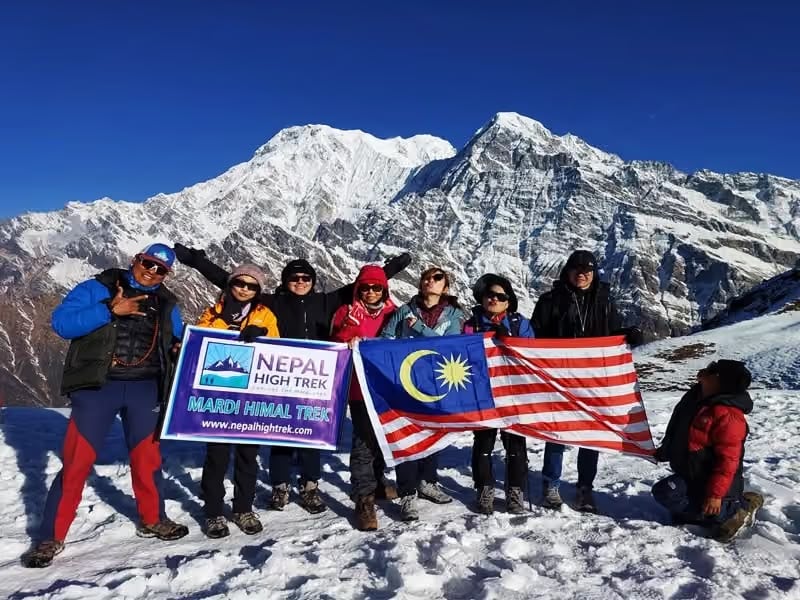
Nepal offers dozens of spectacular trekking routes, but choosing the right one isn’t always easy. Some travelers want quiet forest trails with incredible mountain views, while others dream of turquoise glacial lakes or pushing themselves across high Himalayan passes. Every trek delivers a different experience, and picking the wrong route can affect both your budget and your overall adventure.
This guide compares all three routes in detail, including costs, itineraries, difficulty levels, permits, accommodation, altitude, and the best seasons to visit. You’ll also find practical trekking advice and answers to the questions travelers commonly search before planning a trip. Many experienced local operators, including nepalhightrek, offer guided options across all three routes, which is worth knowing if you’d rather not sort out logistics on your own.
Quick Comparison Table
| Feature | Mardi Himal Trek | Gokyo Lake Trek | Three High Passes Trek |
| Region | Annapurna | Everest (Khumbu) | Everest (Khumbu) |
| Max Altitude | 4,500m (Mardi Himal Base Camp) | 5,357m (Gokyo Ri) | 5,545m (Kala Patthar) |
| Duration | 5–7 days | 10–14 days | 18–21 days |
| Difficulty | Moderate | Moderate to challenging | Challenging to strenuous |
| Trek Style | Forest and ridge walk | Lakes and glacier trek | Full Everest circuit with passes |
| Best Season | March–May, Sept–Nov | March–May, Sept–Nov | March–May, Sept–Nov |
| Daily Walking Hours | 4–6 hours | 5–7 hours | 6–8 hours |
| Permits | ACAP | Sagarmatha NP Entry, Khumbu Rural Municipality Permit | Sagarmatha NP Entry, Khumbu Rural Municipality Permit |
| Accommodation | Tea houses | Tea houses | Tea houses (basic at higher camps) |
| Estimated Cost | $450–850 | $1,150–1,650 | $1,700–2,500 |
| Ideal For | Beginners, short trips | Intermediate trekkers, lake lovers | Experienced trekkers, Everest fans |
Overview of the Mardi Himal Trek
What Makes Mardi Himal Special?
Mardi Himal sits a little apart from Nepal’s more famous routes, and that’s really its biggest draw. While the main Annapurna trails see a steady stream of trekkers, Mardi Himal still feels like a hidden trail through the Annapurna Conservation Area. You’ll wander through dense rhododendron forest, climb along a narrow ridge, and eventually break out above the tree line to a jaw-dropping close-up of Machhapuchhre, also known as Fishtail, one of Nepal’s most photographed peaks. The trail ends at Mardi Himal Base Camp, where the surrounding amphitheater of snow and rock feels far more remote than the trek’s short duration would suggest.
Highlights
The forest sections in spring, when rhododendrons bloom in shades of red and pink, are reason enough to do this trek. Beyond the flowers, you’ll pass through small Gurung settlements, spot langur monkeys if you’re lucky, and get views of Annapurna South and Hiunchuli alongside Machhapuchhre. Because the trail climbs a ridge rather than a valley, the views open up gradually and dramatically, which makes it a favorite among photographers who don’t have two or three weeks to spare.
Overview of the Gokyo Lake Trek
Why Travelers Choose Gokyo
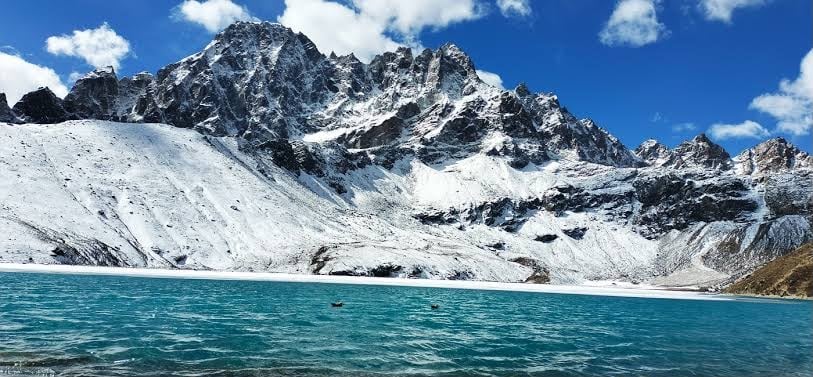
The Gokyo Lake Trek takes you into the Everest region through a quieter valley than the main Everest Base Camp trail. The centerpiece is a series of six glacial lakes, the largest freshwater lake system at this altitude anywhere in the world, fed by meltwater from the Ngozumpa Glacier, Nepal’s longest glacier. From the summit of Gokyo Ri, you get one of the widest mountain panoramas in the entire Khumbu, with Everest, Lhotse, Makalu, and Cho Oyu all visible on a clear morning. It’s a trek that rewards patience: fewer crowds, more silence, and arguably better views than the classic base camp route.
Major Highlights
Walking alongside the Ngozumpa Glacier is unlike anything else in the region, with its jumble of ice, rock, and meltwater pools. The lakes themselves shift color depending on the light, from deep turquoise to near-black under cloud cover. You’ll also pass through classic Sherpa villages like Namche Bazaar and Dole, where monasteries, prayer flags, and yak caravans give a strong sense of Khumbu culture. Sunrise from Gokyo Ri is, for many trekkers, the single best mountain view they get in Nepal.
Overview of the Three High Passes Trek
Nepal’s Ultimate Everest Adventure
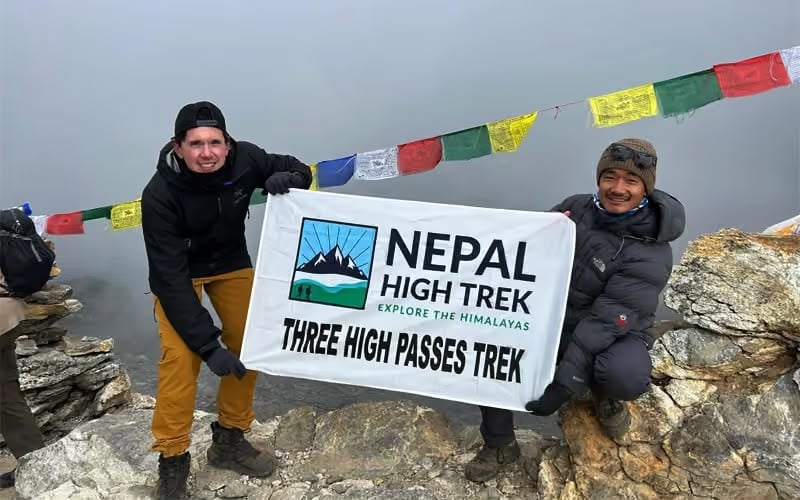
The Three High Passes Trek, often called the Everest Three Passes Trek, links together the Everest Base Camp trail and the Gokyo Valley by crossing three high mountain passes: Kongma La, Cho La, and Renjo La. This is the most complete way to experience the Khumbu region, combining Everest Base Camp, Kala Patthar, and the Gokyo Lakes into one long, demanding circuit. It’s considered Nepal’s toughest classic trekking route, not because any single day is technically extreme, but because the cumulative altitude gain, pass crossings, and duration test both fitness and mental stamina.
Major Highlights
You get everything in one trip: standing at Everest Base Camp beneath the Khumbu Icefall, watching sunrise over Everest from Kala Patthar, and gazing across the Gokyo Lakes from Gokyo Ri. The passes themselves, especially Cho La with its glacier crossing, add a real sense of achievement that a straightforward valley trek can’t match. Along the way you’ll pass through Sherpa settlements like Namche Bazaar, Dingboche, and Lobuche, each offering a slightly different window into Khumbu life and Buddhist tradition.
Difficulty Comparison
Mardi Himal is the gentlest of the three, suitable for trekkers with average fitness and some hiking experience. The trail is well-defined, altitude gain is gradual, and you’re back at lower elevation within a week, which limits the risk of serious altitude sickness. Gokyo Lake steps things up: longer days, more elevation, and a summit push to Gokyo Ri that leaves most people breathing hard. It’s manageable for a reasonably fit beginner willing to acclimatize properly, but it’s not a casual walk.
The Three High Passes Trek is a different category altogether. Crossing three passes above 5,000 meters in quick succession, often on snow and loose scree, requires solid stamina, prior high-altitude experience, and a tolerance for long, cold days. Trail conditions on Cho La in particular can be technical after fresh snowfall, sometimes requiring microspikes. This route is best suited to trekkers who’ve already completed at least one moderate Himalayan trek and know how their body responds to altitude.
Scenic Beauty Comparison
Each trek has its own visual identity, so the “best” scenery really depends on what you’re after. Mardi Himal wins on forest beauty and intimate mountain views, with Machhapuchhre looming close overhead in a way that few other treks offer. Gokyo Lake is unmatched for glacial lakes, ice formations, and wide-open panoramic views from Gokyo Ri, arguably the best single viewpoint in the Everest region for photographing multiple 8,000-meter peaks at once.
The Three High Passes Trek combines both worlds and adds the drama of the passes themselves, glaciers, and Everest Base Camp. If your priority is variety and sheer scale, this route delivers the most. If you want maximum reward for minimum time investment, Mardi Himal or Gokyo will suit you better.
Trek Duration and Itinerary Comparison
The Mardi Himal Trek typically runs 5 to 7 days, making it one of the shortest quality treks in Nepal with genuine mountain views. The Gokyo Lake Trek usually takes 10 to 14 days, including acclimatization days around Namche Bazaar and Dole before pushing higher into the Gokyo Valley. The Three High Passes Trek needs 18 to 21 days because it covers far more ground, crosses three separate high passes, and requires extra acclimatization buffer days given the extreme altitude range involved.
These durations vary based on flight schedules to and from Lukla, weather delays, and how many rest days you build in. Trekkers often underestimate how much a single stormy day in Lukla can shift an entire itinerary, so it’s worth padding your schedule with a spare day or two, particularly for the longer routes.
Cost Comparison (2026)
| Trek | Estimated Cost (USD) |
| Mardi Himal Trek | $450–850 |
| Gokyo Lake Trek | $1,150–1,650 |
| Three High Passes Trek | $1,700–2,500 |
Several factors push these numbers up or down. Whether you hire a guide, a porter, or both makes a noticeable difference, as does whether you fly to Lukla (a meaningful chunk of the Everest-region budget) or drive to the trailhead for Mardi Himal. Permit fees, accommodation quality, number of meals included, and private versus shared transport all factor in too. Season matters as well, since prices in peak spring and autumn months tend to run slightly higher due to demand, and larger groups usually bring the per-person cost down.
Required Permits
Permit rules in Nepal have shifted over the past few years, so it’s worth confirming current requirements before you go. For the Mardi Himal Trek, you need an Annapurna Conservation Area Permit (ACAP), which covers Mardi Himal along with every other trail inside the conservation area. A TIMS card is generally not required in the Annapurna region anymore, though rules can vary, so checking with a registered agency before departure is sensible.
For both the Gokyo Lake Trek and the Three High Passes Trek, you’ll need a Sagarmatha National Park Entry Permit and a Khumbu Pasang Lhamu Rural Municipality Permit, which replaced the old TIMS requirement in the Everest region. A licensed guide is now mandatory for trekking in conservation areas and national parks, so independent trekking without a guide is no longer an option on any of these three routes.
Best Time for Each Trek
Spring (March to May) and autumn (September to November) are the strongest windows for all three treks, with stable weather, clear mountain views, and manageable trail conditions. Spring brings rhododendron blooms, especially noticeable on Mardi Himal, while autumn tends to offer the clearest skies for photography in both the Annapurna and Everest regions.
Winter treks are possible on Mardi Himal, since the lower altitude keeps the trail passable, though it’s cold and quieter. Gokyo and the Three High Passes become considerably harder in winter, with snow-covered passes and closed tea houses at higher elevations. Monsoon season (June to August) is best avoided for all three routes, since cloud cover blocks mountain views and trails turn muddy, though the Annapurna region also faces leech activity in the forested lower sections during this period.
Accommodation and Food
All three treks rely on the classic Nepali tea house system, though comfort levels differ by region and altitude. On Mardi Himal, tea houses are simple but comfortable, with basic private rooms lower down and shared dormitory-style rooms near base camp. In the Everest region, tea houses along the Gokyo and Three Passes routes tend to be a step up in terms of infrastructure, especially in Namche Bazaar, though rooms get more basic the higher you climb.
Meals typically consist of dal bhat, noodle soups, momos, and simple pasta dishes, with prices rising the higher and more remote the village. Wi-fi and charging are usually available for a small fee, though both become less reliable above 4,000 meters. Hot showers exist at most lodges but often cost extra and can be limited to bucket showers at higher elevations.
Altitude and Safety Tips
Acute Mountain Sickness (AMS) is the biggest safety concern on all three treks, particularly Gokyo and the Three High Passes, where you’ll spend extended time above 4,000 meters. Proper acclimatization days, drinking enough water, and pacing yourself rather than rushing between villages make a real difference. The “climb high, sleep low” principle applies especially well to the acclimatization days built into the Gokyo and Three Passes itineraries.
Travel insurance that covers high-altitude trekking and helicopter evacuation is non-negotiable for the Everest region routes, given how remote some sections are. Listen to your body, tell your guide about any symptoms early, and don’t push through severe headaches or nausea just to keep to a schedule. Responsible trekking also means respecting local guidelines around waste, water sources, and wildlife throughout the journey.
Which Trek Should You Choose?
If you’re a beginner or short on time, Mardi Himal is the natural pick, offering big mountain views without a huge time or fitness commitment. Photographers and nature lovers drawn to glacial lakes and wide panoramas will get more out of Gokyo, which also suits intermediate trekkers wanting a real altitude challenge without the full three-pass grind. Experienced trekkers and dedicated Everest fans who want the complete Khumbu experience, base camp included, should aim for the Three High Passes Trek, understanding that it demands serious preparation.
Budget travelers will find Mardi Himal by far the most economical option, while those chasing adventure and willing to invest three weeks should look toward the Three Passes route. Nature enthusiasts who want a mix of forest and alpine scenery without extreme altitude exposure tend to gravitate toward Mardi Himal or the lower stages of Gokyo.
Sustainable and Responsible Trekking in Nepal
Trekking in fragile alpine environments comes with a responsibility to tread carefully. Following Leave No Trace principles, carrying out your own waste, and minimizing plastic use (a refillable bottle with a filter or purification tablets goes a long way) all help protect these trails for future visitors. Choosing licensed local guides and porters, and paying them fairly, puts money directly into Gurung and Sherpa communities that depend on trekking tourism.
Respecting local culture matters too, whether that’s dressing modestly near monasteries, asking before photographing people, or simply being patient with yak caravans that have the right of way on narrow trail sections. Supporting community-run tea houses and buying locally where possible keeps trekking revenue circulating within the villages you pass through, rather than leaking out to outside operators.
Expert Trek Planning Tips
A bit of elevation training before you fly to Nepal, stairs, hills, or a stair-climber machine, genuinely helps, even if you can’t simulate high altitude. Break in your boots well before arrival; new boots on day three of a trek is a recipe for blisters that can derail your whole trip. Pack in layers rather than one heavy jacket, since temperatures swing enormously between midday sun and evening cold at altitude.
Budget an extra day or two around Lukla flights, since weather delays are common and can eat into your itinerary if you’ve booked things too tightly. And honestly, flexibility often matters more than speed. Trekkers who build in rest days and are willing to adjust their pace tend to have a far better experience, and fewer health issues, than those racing to finish. Talking through your plans with an experienced local guide before you commit to a route can also help you match the itinerary to your actual fitness and available time, rather than a generic template.
Final Thoughts
There’s no single “best” trek among Mardi Himal, Gokyo Lake, and the Three High Passes. Each one suits a different kind of traveler, and the right choice comes down to your available time, fitness level, scenery preferences, and appetite for a real physical challenge. Mardi Himal delivers big views on a short timeline, Gokyo balances lakes, glaciers, and Everest panoramas over a couple of weeks, and the Three High Passes Trek is the full, demanding Khumbu experience for those ready to commit. Local operators such as nepalhightrek can help you weigh these differences and put together an itinerary that actually fits your schedule and experience level, rather than a one-size-fits-all package.







