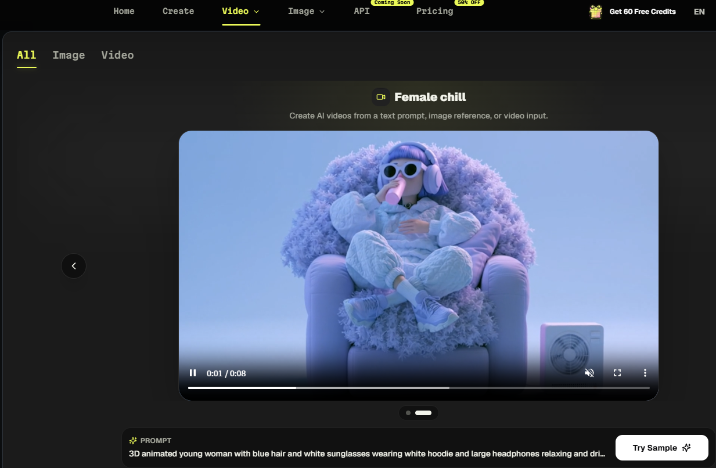
Fintech product managers own promo video budgets that roadmap slides often outrun. The deck promises API-ready Seedance 2.5 cuts for the next release; the workspace today routes through an online generator with Fast, Quality, and Lite tiers on Seedance 2.0. When procurement buys the headline instead of the channel, teams burn stakeholder trust on clips they cannot reproduce under compliance review. The Seedance 2.5 API path on SeeAPI is the right planning north star—but only if budgets attach to what ships in the UI this quarter.
Product orgs that treat listed 2.5 credit costs as a launch date confuse finance, engineering, and brand. A planning number helps size yearly Starter, Pro, or Studio floors; it does not guarantee API endpoints, SLA, or the same compare workflow in a CI pipeline. The disciplined buy is the channel the team can operate today, with 2.5 pricing held as forecast—not as a promise on tomorrow’s sprint board.
Why Roadmap Slides Outrun What Product Can Ship
Model announcements arrive as capability stories. Product roadmaps absorb them as delivery commitments. The gap shows up in demo week: marketing needs a watermark-free HD loop for a regulated feature launch, but the only proven path is the online workspace with manual reference upload. Engineering waits for a public API still on the roadmap. Compliance asks which environment logged the asset. Nobody can answer because the slide merged three different readiness states into one bullet.
Fintech promo failures here are operational—a clip shown to partners that the team cannot regenerate with the same prompt, reference lock, and tier label. When the product manager cannot replay the job, legal holds the release and credits already spent look like vanity motion.
The failure pattern repeats each quarter: a roadmap deck cites Seedance 2.5 before the workspace row turns green, finance sizes budget against list prices that assume API delivery, and marketing schedules a partner webinar against assets that only exist as one-off manual exports. None of those steps is malicious. They are what happens when announcement language replaces channel verification.
Three Readiness States Compared Before Procurement
Separate announcement, workspace, and API before any purchase order references Seedance 2.5:
| State | What it proves today | Typical fintech failure |
| Online workspace now | Account can run Fast/Quality/Lite, attach refs, generate, compare in browser | Team skips compare and exports a preview tier as final partner asset |
| Public API soon | Vendor signals programmatic access on roadmap, not in production yet | Engineering blocks promo until endpoints exist; marketing misses the window |
| Model announcement | 2.5 preview named with listed credit costs on the site | Roadmap slide cites 2.5 while jobs still run on available 2.0 paths |
Procurement should fund rows in the first column while documenting the other two as dependencies—not as delivered scope. SeeAPI keeps credits in one balance that never expires, which helps product teams stretch online production across quarters without a separate launch wallet dying at month end.
Run the table at intake for every promo request. If the ticket cites model announcement language but the workspace row is empty, yellow-light the job until someone logs a compare outcome. If engineering demands API endpoints before marketing can use the browser flow, redirect the conversation to what the login proves tonight—not what a press release named last month.
Free Ten Monthly Credits Versus Paid HD Commercial Output
The free tier offers ten credits per month with watermarked output—enough for internal direction checks, not for partner-facing regulated demos. Paid paths unlock HD, watermark-free exports and commercial use rights that fintech brand teams actually need when a feature video sits beside disclosure copy.
Product managers who park the entire promo budget on free credits discover the failure at legal review: a glossy motion loop that cannot ship externally without re-export on a paid tier. That rework burns calendar time tighter than the credit difference. Yearly plan floors on the public page—Starter at $199 for 24k credits, Pro at $799 for 150k, Studio at $1199 for 320k—give finance a planning anchor without pretending every debit will land on the 2.5 preview tier on day one.
When Stakeholder Demos Require Watermark Free Export
Internal standups can live with watermarked previews. Board packs, app-store preview videos, and partner webinars cannot. The pass rule is simple: if the asset leaves the building, it runs on paid HD with commercial rights logged on the ticket. Free-tier output that passes a Zoom window often shows watermark corners once scaled on a conference room screen—hard fail for a product org that sells trust.
In sprint reviews, the product manager opens compare view against the locked UI capture before anyone forwards a clip to compliance. When the export was checked against the approved screenshot, a hero loop had invented a second menu bar—unreadable against the real disclosure footer. That single miss would never clear partner review, no matter how polished the animation felt in isolation.
Online Workspace Today Versus Public API On Roadmap
Today’s operational channel is the browser workspace: pick Fast, Quality, or Lite, write the prompt, attach image or video reference, generate, compare. Product teams can run that flow now for app walkthrough loops, feature metaphors, and compliance-safe b-roll behind UI captures. The public API remains on the vendor roadmap—valuable for engineering alignment, not for this month’s ship date.
Engineering should not block marketing from the online path while API specs mature. Conversely, marketing must not tell partners the clip is “API-generated” when a producer clicked generate manually. SeeAPI positions the workspace as the try-online surface that prepares teams for API access; fintech buyers should contract for what the login can do tonight.
Seedance 2.0 already supports multimodal reference driving—image, video, and audio inputs with character consistency for founder-led product stories. That capability matters when a regulated app needs a human face beside UI capture without reshooting the entire promo. The workspace channel delivers that today; API routing will extend it later without changing the acceptance rules product teams should already enforce.
Fast Quality Lite Flow Teams Can Operate This Sprint
Fast suits direction checks on UI-led motion. Quality belongs to identity-sensitive hero shots where a founder or product face must hold. Lite covers lower-stakes loops when the story is the interface, not the portrait. Product managers who map each deliverable to a tier before generate avoid the common miss: a Quality debit on a screen-recording wrapper that never needed face fidelity.
Compare view is the step procurement should require in every statement of work. Vendors that skip compare force buyers to accept exports blind—a risky posture when disclosure copy must sit pixel-perfect beside animated UI chrome. Logging compare pass or fail on the ticket gives compliance a replay path without a live call.
Listed 2.5 Credit Costs As Planning Numbers Only
The site lists Seedance 2.5 preview costs at 480p five seconds for 150 credits and 720p five seconds for 330 credits—higher than the 2.0 sheet product teams may still be spending today. Those figures belong in forecast spreadsheets and yearly plan sizing, not in sprint commitments tied to API delivery.
Finance can ask: if hero clips migrate to 2.5 list pricing, how many five-second units fit inside Pro or Studio floors? Engineering can ask: when API ships, do the same prompt ids rerun unchanged? Marketing must not ask partners to approve a 2.5-labeled asset until the workspace or API row in the comparison table turns green.
Forecast Rows Belong In Spreadsheets Not Sprint Tickets
Product ops should paste 150 and 330 credit rows into annual planning tabs with a clear label: forecast only. Sprint tickets should cite the tier actually clicked in the workspace—Fast 720p, Quality 720p, or Lite—not a preview model the login cannot route yet. That split keeps engineering from blocking on endpoints marketing never needed this month.
Through August 31, eligible Seedance 2 spend converts one-to-one into permanent credits after the 2.5 platform launch for signed-in users. That promo rewards disciplined 2.0 production now—it does not mean 2.5 output is already in the account.
Realistic Limits When Listed Costs Are Not SLA
Planning with 150 and 330 credit rows does not create a production SLA. Launch timing, API availability, and eligibility rules follow platform releases—not slide decks. Product ops should read the workspace banner when sizing sprint spend rather than assuming every debit qualifies automatically.
Procurement Should Ship On The Proven Channel Today
Buy the online workspace the product org can operate this quarter. Hold 2.5 list pricing as forecast. Keep API on the dependency line, not the acceptance criteria for promo video. Log every external asset with tier, watermark status, and compare outcome so compliance can replay the job.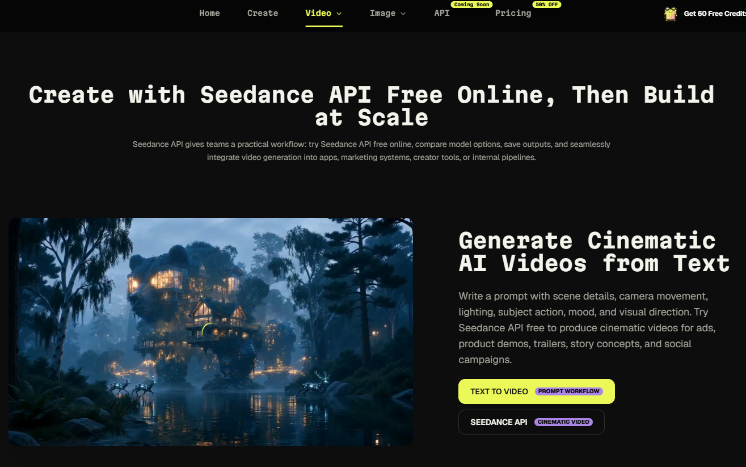
Document Channel Readiness In The Purchase Memo
Procurement memos should name workspace access for this quarter, API dependency with no SLA attached, and 2.5 list pricing in the forecast appendix only. That language keeps engineering, marketing, and finance aligned when demo week pressure arrives.
When demo week arrives, the product manager should open the comparison table and point to green in the workspace row—not to a model badge on a roadmap slide. SeeAPI built the try-online path so spend today still counts toward permanent balance after 2.5 lands; fintech teams capture that value by producing on the proven channel instead of waiting for a headline to become infrastructure.
A Quality export on a feature metaphor can burn roughly 170 credits on the 2.0 list when teams skip Fast direction checks—calendar time lost if legal sends the file back for a tier label mismatch. Procurement that funds the workspace first avoids paying twice: once in credits, again in a delayed release window.
Document channel readiness in the purchase memo itself: workspace access for this quarter, API dependency with no SLA attached, 2.5 list pricing in the forecast appendix only. That memo language keeps engineering, marketing, and finance aligned when demo week pressure arrives—and prevents a single roadmap slide from becoming an acceptance test the product org cannot pass.
Close procurement with one question: can this account regenerate every partner-facing clip before the next release review without an API that is not live yet? Yes means buy and log. No means fix the channel story before finance approves another tier upgrade on faith.







