The financial world has spent the last decade split into two camps that rarely talk to each other. On one side sit traditional banks and neobanks; regulated, familiar, and trusted with fiat currency, but largely closed off from digital assets.
On the other side sit crypto exchanges and wallets; fast, borderless, and increasingly sophisticated, but often disconnected from the everyday banking rails that individuals and businesses still depend on to pay rent, run payroll, or settle an invoice.
Bittl was founded to close that gap.
A Single Platform for Two Financial Worlds
Bittl is a licensed neobank built around a simple premise: clients shouldn’t have to choose between traditional banking and crypto. Instead of forcing users to maintain a bank account with one provider and a crypto wallet with another; reconciling balances, moving funds between platforms, and dealing with delays and fees at every step; Bittl brings both into a single account.
At the core of the platform are personal and business euro IBAN accounts, giving individuals and companies a genuine European bank account number that works the way clients expect a bank account to work: for receiving salary or client payments, paying suppliers, and managing day-to-day cash flow. Alongside this, Bittl integrates native crypto functionality, allowing clients to hold and manage digital assets from the same account used for their fiat balances.
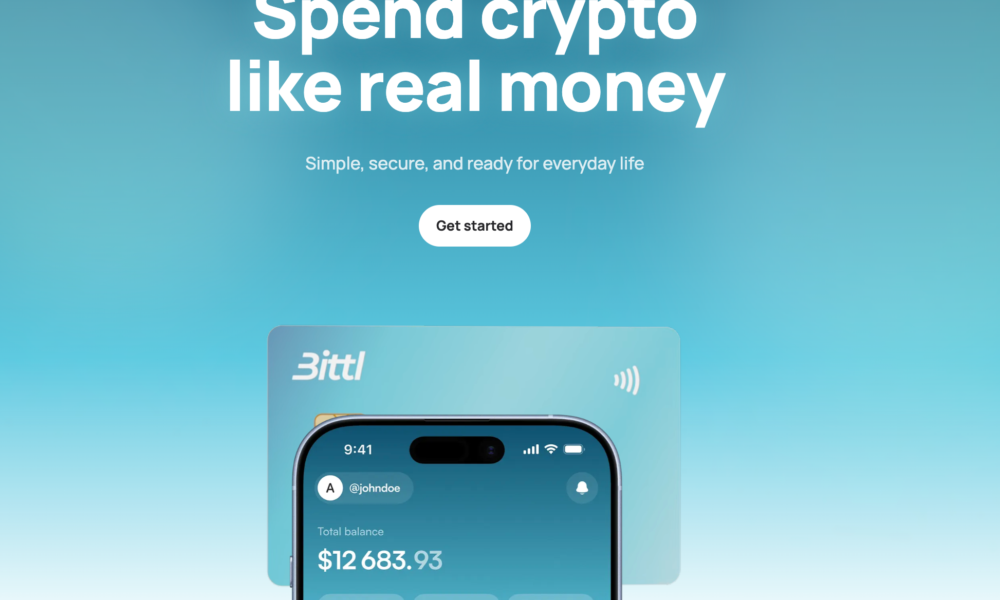
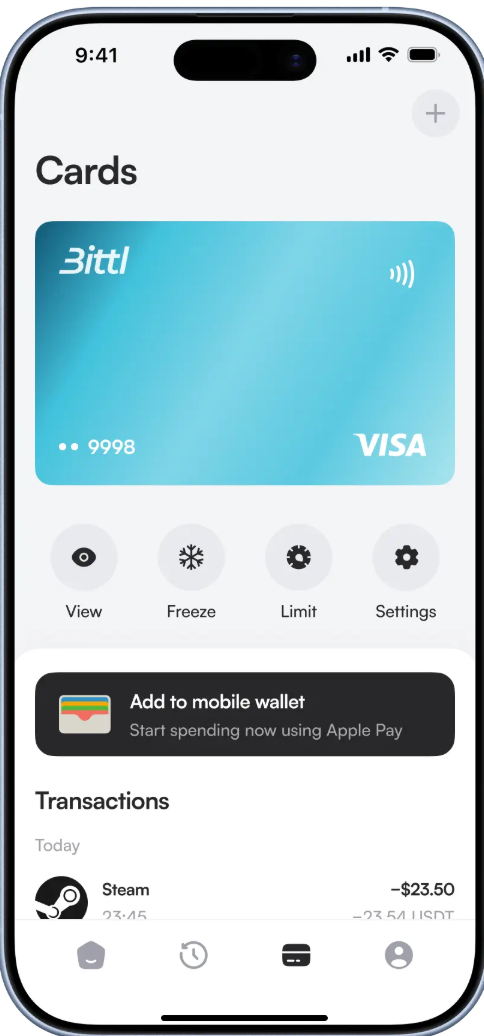
Spending is unified through linked debit cards, so clients can use funds from their account; whether the underlying balance originated as euros or crypto; without needing to convert manually, move funds to a separate card provider, or maintain multiple apps just to access their own money.
Built for Individuals and Businesses Alike
Bittl’s platform is designed to serve two distinct but overlapping audiences. For individual clients, the appeal is straightforward: a single account that behaves like a modern digital bank, but with crypto capability built in from day one, rather than bolted on as an afterthought. Freelancers being paid in multiple currencies, expats managing finances across borders, and everyday crypto holders who want to spend digital assets as easily as fiat all fall into this category.
For business clients, Bittl offers corporate IBAN accounts alongside the same crypto and card infrastructure available to individuals, giving companies a way to manage treasury operations, pay international contractors, and hold digital assets on the balance sheet without needing separate banking and crypto custody relationships. This is particularly relevant for remote-first companies and small and mid-sized businesses operating across multiple jurisdictions, where traditional banking relationships can be slow to establish and poorly suited to handling both fiat and crypto flows.
Addressing a Real Market Need
The demand for platforms that unify traditional and digital finance has grown alongside the broader maturation of the crypto industry. As crypto has moved from a speculative niche toward a more established asset class; with institutional adoption increasing and regulatory frameworks like MiCA bringing more structure to the European market; the appetite among everyday users and businesses for practical, everyday crypto utility has grown just as quickly.
At the same time, many clients remain underserved by both sides of the market. Traditional banks are often slow to support crypto-related activity at all, sometimes restricting or closing accounts tied to crypto transactions. Crypto-native platforms, meanwhile, frequently lack the banking infrastructure; IBANs, card issuance, fiat rails; needed to make digital assets genuinely usable for day-to-day financial life. Bittl sits deliberately in the middle of this gap, built from the ground up to handle both sides of the equation natively rather than treating one as a secondary feature of the other.
Looking Ahead
As Bittl continues to expand its licensing footprint across additional markets, the company’s roadmap centers on deepening the integration between its banking and crypto capabilities; not simply offering both side by side, but making the movement between them as invisible to the end user as possible. Future development includes expanding business-focused tools for corporate treasury management and further building out card issuance capabilities to support clients spending crypto-linked balances in more markets.
For a growing base of individual and business clients, Bittl represents a bet that the future of finance won’t be defined by a hard line between traditional and digital assets, but by platforms that treat that line as something to be dissolved; carefully, and with the regulatory groundwork to make it sustainable.