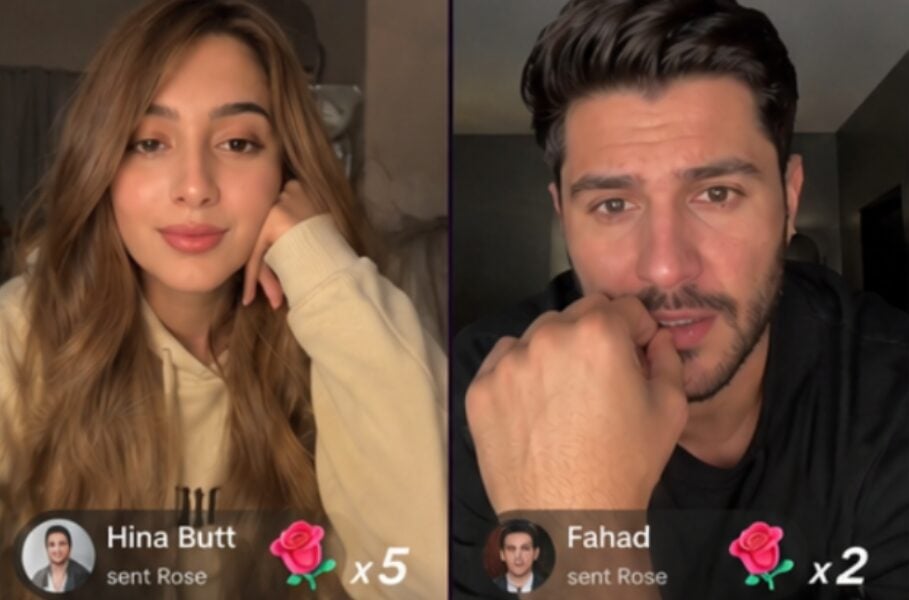
Going LIVE can feel like a natural next step for TikTok creators who have already built an audience through short-form videos. But livestreaming introduces a different kind of interaction. Instead of planning a video, editing it, and posting it, creators have to respond to viewers in real time, keep conversations moving, and make the experience worth returning to.
That is why understanding the tools behind LIVE streaming matters. Before worrying about follower growth or monetization, creators should first become comfortable with how the platform works, what they need to participate, and where additional support can make a difference.
Starting With the Right Setup
For many creators, the first challenge is simply getting comfortable with the technical side of livestreaming. A reliable internet connection, a suitable phone, clear audio, and reasonable lighting can have a bigger impact on the viewing experience than expensive equipment. Creators should also think about their surroundings. A noisy room or distracting background can make a LIVE session harder to follow. A simple setup with consistent lighting and good sound is often enough to create a more professional atmosphere.
LIVE Streaming Requires a Different Skill Set
A creator who performs well in edited videos may initially struggle with livestreaming. Short videos allow creators to remove pauses, retake sections, and control the final presentation. LIVE content does not offer the same safety net. During a livestream, an empty moment can feel much longer. A question may appear unexpectedly. Viewers may enter and leave within seconds. The creator has to make decisions while simultaneously entertaining the audience.
Over time, these challenges can become valuable skills. Creators learn how to open conversations, acknowledge viewers, introduce new topics, and recover when a session becomes quiet. They also begin to recognize which subjects generate genuine discussion instead of simply attracting short-term attention.
Why Consistency Matters More Than a Perfect Broadcast
New LIVE creators sometimes focus too heavily on making every stream impressive. That can create unnecessary pressure. A better approach is to establish a recognizable rhythm. A creator might stream several times a week, use a familiar format, or dedicate certain sessions to specific topics. Viewers are more likely to return when they understand what they can expect. Consistency also gives creators more opportunities to learn. One stream might reveal that a particular topic keeps people engaged. Another could show that the opening needs improvement. Instead of treating these differences as failures, creators can use them as feedback.
This is where Creator Networks can become useful. For TikTok creators who want to take LIVE streaming more seriously, a network can provide guidance around content development, creator operations, training, and audience engagement. The value is not simply having another organization involved; it is having a structured environment in which creators can improve over time.
Human Side of Building a LIVE Community
Numbers can make livestreaming look purely performance-driven. Viewers, likes, gifts, and watch time are easy to measure, but they do not tell the entire story. A successful LIVE community often develops through small interactions. Remembering a regular viewer, responding thoughtfully to questions, welcoming new people, or creating an inside joke can make a stream feel more personal.
That sense of community can influence whether people return. A viewer may initially discover a creator because of a recommendation, but they may stay because they feel recognized and involved. For this reason, creators should think beyond simply attracting as many people as possible. Building an audience that actively participates can create a stronger foundation for future growth.
Learning From Every Session
One of the most useful habits for a developing LIVE creator is reviewing what happened after each broadcast. There is no need to analyze every statistic obsessively. Instead, creators can ask a few practical questions. When did the conversation become more active? Which topics generated questions? Were there moments when viewers appeared to lose interest? Did the opening explain clearly what the session was about?
These observations can influence the next broadcast. Creators working with a Creator Network may also have access to additional feedback and training. This can help turn individual observations into a more deliberate improvement process. Over time, small adjustments to timing, presentation, interaction, and content can make livestreaming feel much more natural.
When Support Becomes Part of the Growth Strategy
Not every creator needs outside support. Someone experimenting casually with LIVE content may prefer to learn independently. However, creators who want to build a consistent streaming career may eventually encounter challenges that are difficult to solve alone. For those exploring a tiktok live application, this is one reason Creator Networks have become an important part of the broader LIVE ecosystem. Their role can extend beyond recruitment by supporting creator development, operational processes, content optimization, and ongoing communication.
Traditional MCN organizations are also looking at how their models can evolve as LIVE becomes a larger part of the creator economy. This is one reason more traditional MCN organizations are considering transitioning toward TCN-style models rather than relying entirely on older approaches to creator management.
Conclusion
Starting a livestream is relatively simple compared with building a sustainable LIVE presence. The real work begins after a creator goes on camera. Developing confidence, understanding an audience, improving content, and creating meaningful community interactions all require practice. The most effective approach is to treat every LIVE session as an opportunity to learn. With consistent effort and, when appropriate, structured support from a Creator Network, TikTok creators can gradually turn individual broadcasts into a more intentional and engaging part of their content strategy.
FAQs
1. What should a creator prepare before going LIVE?
Creators should check their internet connection, audio, lighting, camera position, and surroundings. It is also helpful to have a basic idea of the topic or format before starting.
2. Is livestreaming different from making regular TikTok videos?
Yes. LIVE content happens in real time, so creators need to respond to viewers, manage conversations, and keep the session engaging without the editing options available for recorded videos.
3. How often should a creator go LIVE?
There is no universal schedule. A realistic and consistent schedule is usually more useful than streaming frequently for a short period and then stopping. Creators should choose a rhythm they can maintain.
4. What does a Creator Network do for TikTok creators?
A Creator Network can support creators through areas such as training, creator operations, content improvement, audience engagement, and ongoing development. The exact support available can vary between networks.
5. Can a new creator benefit from joining a Creator Network?
Potentially. Creators who want structured guidance or are serious about developing their LIVE skills may find a network useful. However, the right choice depends on the creator’s goals, experience, and the type of support offered.