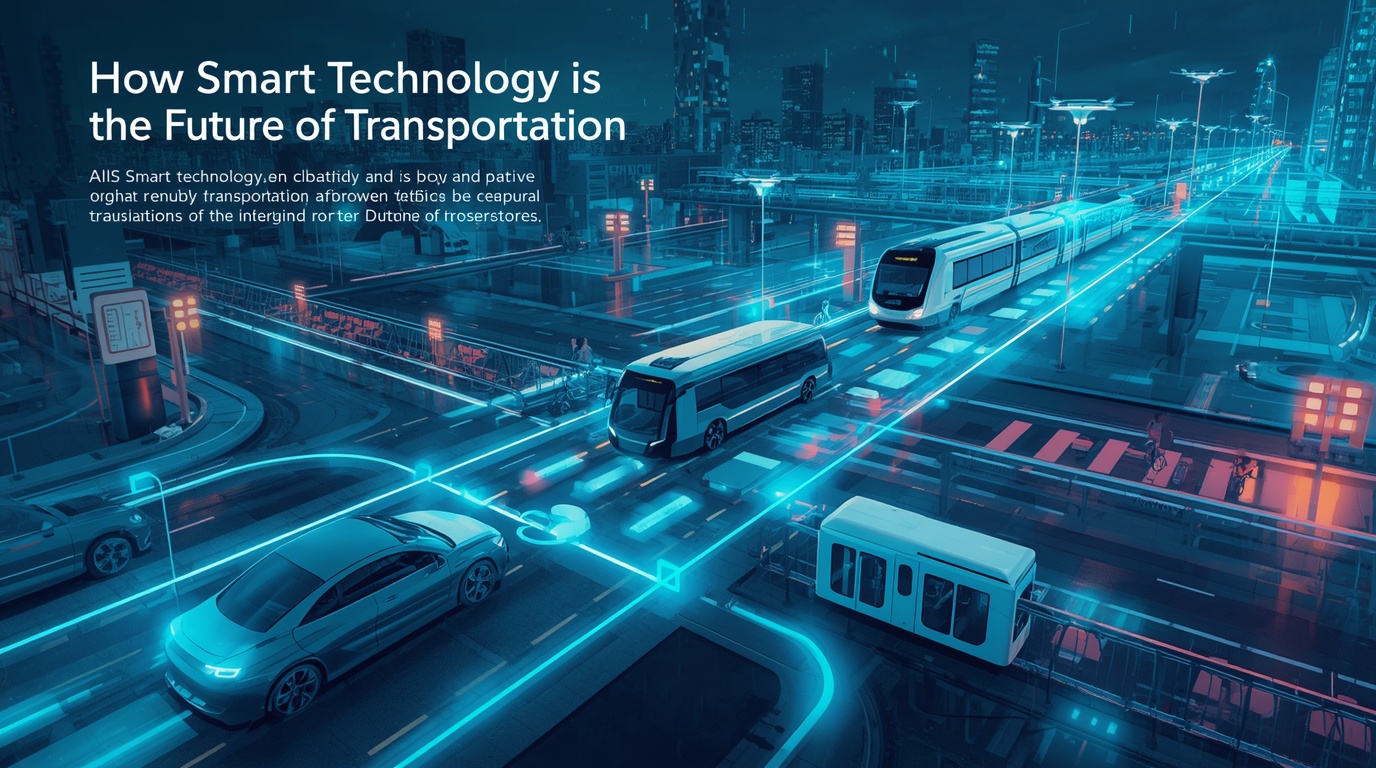
Technology is changing the transportation industry at an unprecedented pace. From GPS tracking and artificial intelligence to cloud-based fleet management and real-time communication, digital innovations are helping transportation providers operate more efficiently and deliver better passenger experiences.
As cities expand and travel requirements become increasingly complex, transportation companies are adopting smarter solutions to manage vehicles, improve scheduling, and respond to changing road conditions. These developments are transforming everything from daily commuting to corporate transportation and large group travel.
The Role of GPS Tracking in Modern Transportation
GPS technology has become an essential part of modern transportation management. It allows operators to monitor vehicle locations, track journey progress, and identify potential delays.
Fleet managers can use GPS-enabled platforms to monitor multiple vehicles through a centralized dashboard. This makes it easier to coordinate schedules, select efficient routes, and provide customers with more accurate arrival estimates.
GPS tracking also supports better accountability by helping transportation companies maintain visibility throughout a journey. When combined with traffic information, it can help drivers avoid congested roads and make more informed routing decisions.
Artificial Intelligence Is Improving Route Planning
Artificial intelligence is introducing new possibilities for transportation planning. AI-powered systems can analyze traffic patterns, historical travel information, weather conditions, and other variables to recommend efficient routes.
Unlike traditional navigation systems that rely primarily on fixed instructions, intelligent platforms can process changing information and adjust recommendations accordingly.
For transportation providers, this can mean fewer unnecessary detours, improved vehicle utilization, and more reliable scheduling. It can also help businesses coordinate transportation for employees, customers, and visitors.
Cloud Computing and Fleet Management
Cloud computing has made fleet management more accessible and efficient. Instead of relying on separate records and disconnected software, transportation companies can use cloud-based platforms to manage important operational information.
These platforms may include vehicle schedules, driver assignments, maintenance records, customer requests, and route information.
Because information can be accessed from different authorized devices, managers can coordinate operations even when they are away from the office.
Cloud-based systems also make it easier to update schedules, communicate changes, and maintain consistent records as transportation businesses grow.
Digital Platforms Are Simplifying Group Transportation
Organizing transportation for a large group involves several logistical challenges. Coordinators need to consider passenger numbers, pickup locations, travel schedules, luggage requirements, and destination access.
Digital booking platforms are making this process more straightforward. Customers can explore transportation options, submit trip details, and communicate their requirements without depending entirely on traditional telephone arrangements.
For example, people researching bus rental companies serving Detroit can explore available charter transportation options for corporate events, school outings, sporting events, and group trips across the region.
Online booking and quotation systems can also help customers compare vehicle requirements and plan transportation well in advance.
Mobile Connectivity Is Improving Passenger Experiences
Smartphones have become an important part of the modern travel experience. Passengers increasingly expect convenient access to booking information, journey updates, digital confirmations, and customer support.
Mobile-friendly transportation platforms help customers manage these details from almost anywhere.
For operators, mobile connectivity provides additional opportunities to communicate schedule changes, share pickup information, and respond to customer questions.
These features are especially useful when coordinating group journeys, where clear communication can make a significant difference to the overall experience.
Electric Vehicles and Sustainable Transportation Technology
Sustainability is another important area of technological development in transportation. Electric vehicles are gaining attention as businesses and cities look for ways to reduce emissions and improve energy efficiency.
Advances in battery technology, charging infrastructure, and vehicle management systems are gradually expanding the possibilities for electric transportation.
Fleet operators can also use digital monitoring systems to understand energy consumption, evaluate vehicle performance, and plan maintenance.
Although the transition requires investment and suitable charging infrastructure, electric mobility is likely to remain an important part of the industry’s future.
Cybersecurity and Data Protection
As transportation systems become increasingly connected, protecting digital information is essential.
Booking platforms, GPS systems, payment services, and fleet management software may handle sensitive operational and customer information. Without appropriate safeguards, these systems can become vulnerable to unauthorized access and cyberattacks.
Transportation companies should prioritize secure payment processing, access controls, software updates, data encryption, and reliable backup procedures.
Building customer trust requires not only convenient technology but also responsible information management.
What the Future Holds for Smart Transportation
The transportation industry will continue to evolve as artificial intelligence, automation, connected vehicles, and digital infrastructure become more advanced.
Future transportation platforms may offer increasingly accurate journey predictions, more efficient fleet coordination, and improved integration between different travel services.
However, technology alone cannot solve every transportation challenge. Reliable vehicles, trained drivers, effective customer support, and careful planning will remain equally important.
Businesses that combine modern digital tools with dependable transportation services will be better positioned to meet changing customer expectations.
Ultimately, smart transportation is about making journeys more organized, efficient, and convenient. As innovation continues, both passengers and transportation providers stand to benefit from a more connected travel ecosystem.